Robert Pickton Dies of Injuries From an Attack by Another Inmate at a Quebec Prison
Correctional Service Canada said the 74-year-old, serving life for six murders in British Columbia, died in hospital twelve days after a May 19 assault at Port-Cartier.
Published
Robert Pickton died in a hospital on May 31, 2024, twelve days after another prisoner attacked him at Port-Cartier Institution, a maximum-security penitentiary in Quebec about 300 miles northeast of Quebec City. Correctional Service Canada announced the death that afternoon. He was 74. In the days before he died, he had been kept in a medically induced coma and on life support.
The corrections service had called the attack of May 19 a "major assault" by a fellow inmate. In its statement on his death, it said Pickton had been serving an indeterminate sentence, which began on December 11, 2007, for six counts of second-degree murder. His next of kin had been told, it said, and so had the victims registered to be notified. As in every death of a prisoner, police and the coroner were informed, and the service said it was convening a Board of Investigation to examine the assault, including whether its own policies and protocols had been followed. "We are mindful that this offender's case has had a devastating impact on communities in British Columbia and across the country, including Indigenous peoples, victims and their families," the statement said. "Our thoughts are with them."
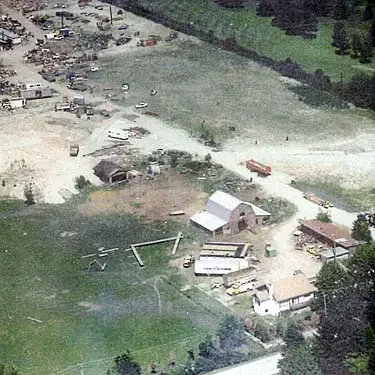
Pickton, a pig farmer from Port Coquitlam, British Columbia, was arrested in 2002. He was charged with murdering 26 women, and in 2007 he was convicted of six counts of second-degree murder and sentenced to life in prison with no chance of parole for 25 years, the longest period the law allowed. The six women were Georgina Papin, Sereena Abotsway, Mona Wilson, Andrea Joesbury, Brenda Ann Wolfe and Marnie Frey. The remains or DNA of 33 women were found on his farm, and many of the women who disappeared had come from Vancouver's Downtown Eastside; many were Indigenous. Pickton told an undercover police officer that he had killed 49.
An inquiry after his conviction found that botched investigations, systemic bias, leadership failures and fragmented policing across Metro Vancouver had all helped keep him free longer than he should have been. More than four years before his arrest, warnings from a Vancouver police geographic profiler that a serial killer might be at work had been dismissed by the department's leadership. In February 2024, three months before he was attacked, Pickton had become eligible to apply for day parole, setting off outrage among advocates, politicians and the families of the women he killed, who said he should never be released.
Sources
- Death of an inmate from Port-Cartier Institution, Correctional Service Canada
- Serial killer Robert Pickton dead, CBC News (Karin Larsen)
In the Archive
- Robert William Pickton
- ROBERT PICKTON QUESTIONED BY THE COQUITLAM RCMP, JANUARY 19, 2000
- 2002 THE PICKTON INTERROGATION PART FOUR
- 2002 THE PICKTON INTERROGATION PART THREE
- 2002 THE PICKTON INTERROGATION PART TWO
- 2002 THE PICKTON INTERROGATION PART ONE
- ROBERT PICKTON: THE PIG FARM
- INFAMOUS AND TERRIFYING HOUSES OF MURDER
- SERIAL KILLERS AND HIDING BODIES
- TWELVE ESCAPES THAT DID THE INVESTIGATION'S WORK
- THIS DAY IN SERIAL KILLER HISTORY
- SERIAL KILLER METHODS OF DISPOSAL