B.C. Missing Women Inquiry Finds Police Investigations Into Pickton's Victims Were a 'Blatant Failure'
Commissioner Wally Oppal's 1,448-page report, Forsaken, made 63 recommendations, including a single regional police force for Greater Vancouver.
Published
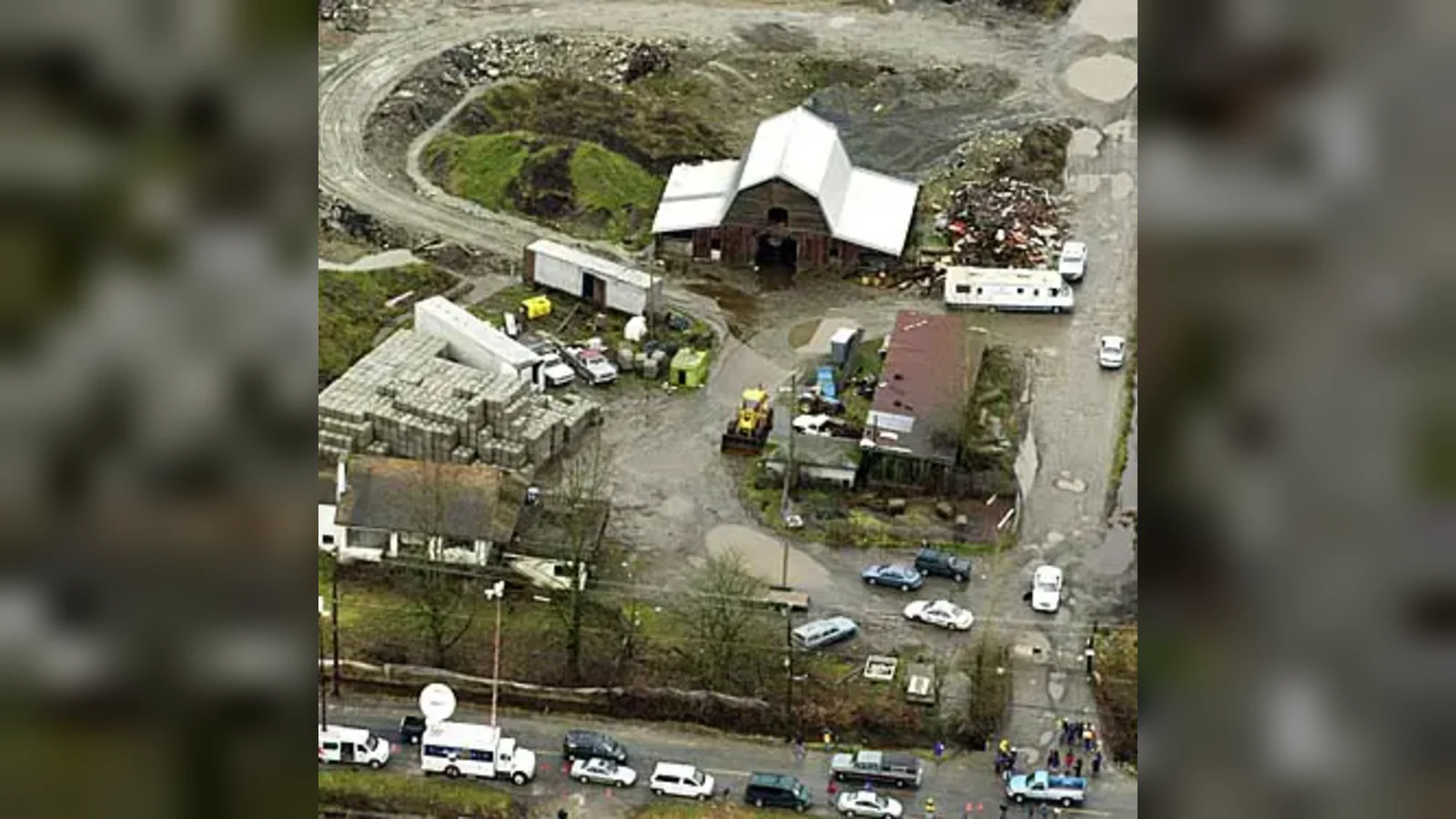
For years, women disappeared from Vancouver's Downtown Eastside while Robert Pickton went undetected. On December 17, 2012, a provincial inquiry concluded that the police investigations had been a blatant failure.
Commissioner Wally Oppal released his 1,448-page final report, titled "Forsaken," in Vancouver that afternoon, after advance copies given to victims' families leaked to the media. "I have found that the missing and murdered women were forsaken twice: once by society at large and again by the police," he wrote. The inquiry, established by the province in September 2010, examined police investigations between January 23, 1997, and February 5, 2002, into women reported missing from the Downtown Eastside, and the January 27, 1998, decision to stay charges including attempted murder against Pickton. It held 93 days of hearings and heard from 85 witnesses.
Oppal identified seven critical police failures, including failing to take and act on missing-person reports, failing to warn women in the Downtown Eastside, and poor coordination between the Vancouver Police Department and the Coquitlam RCMP. His 63 recommendations included a regional police force for Greater Vancouver, 24-hour emergency centers for women in the sex trade, a compensation fund for the children of missing women, a healing fund for families and better public transit along Highway 16. Pickton, arrested in February 2002, was convicted in 2007 of six counts of second-degree murder, and the remains or DNA of 33 women were found on his farm. During Oppal's presentation, family members broke into chanting and drumming.
Oppal concluded that systemic bias against the women contributed to the police failures, yet he found no evidence of widespread institutional bias in the Vancouver police or the RCMP.
Sources
- Forsaken: The Report of the Missing Women Commission of Inquiry, Executive Summary, Missing Women Commission of Inquiry, Government of British Columbia
- Pickton inquiry slams 'blatant failures' by police, CBC News
Related News
In the Archive
- Robert William Pickton
- ROBERT PICKTON QUESTIONED BY THE COQUITLAM RCMP, JANUARY 19, 2000
- 2002 THE PICKTON INTERROGATION PART FOUR
- 2002 THE PICKTON INTERROGATION PART THREE
- 2002 THE PICKTON INTERROGATION PART TWO
- 2002 THE PICKTON INTERROGATION PART ONE
- ROBERT PICKTON: THE PIG FARM
- INFAMOUS AND TERRIFYING HOUSES OF MURDER
- SERIAL KILLERS AND HIDING BODIES
- TWELVE ESCAPES THAT DID THE INVESTIGATION'S WORK
- THIS DAY IN SERIAL KILLER HISTORY
- SERIAL KILLER METHODS OF DISPOSAL