Florida Lab Builds Ted Bundy's Full DNA Profile From a 1978 Blood Vial Found in a Courthouse Vault
The profile, sought after a Tacoma detective asked about a 1961 disappearance, was headed for the FBI's national database so it could be checked against cold cases.
Published
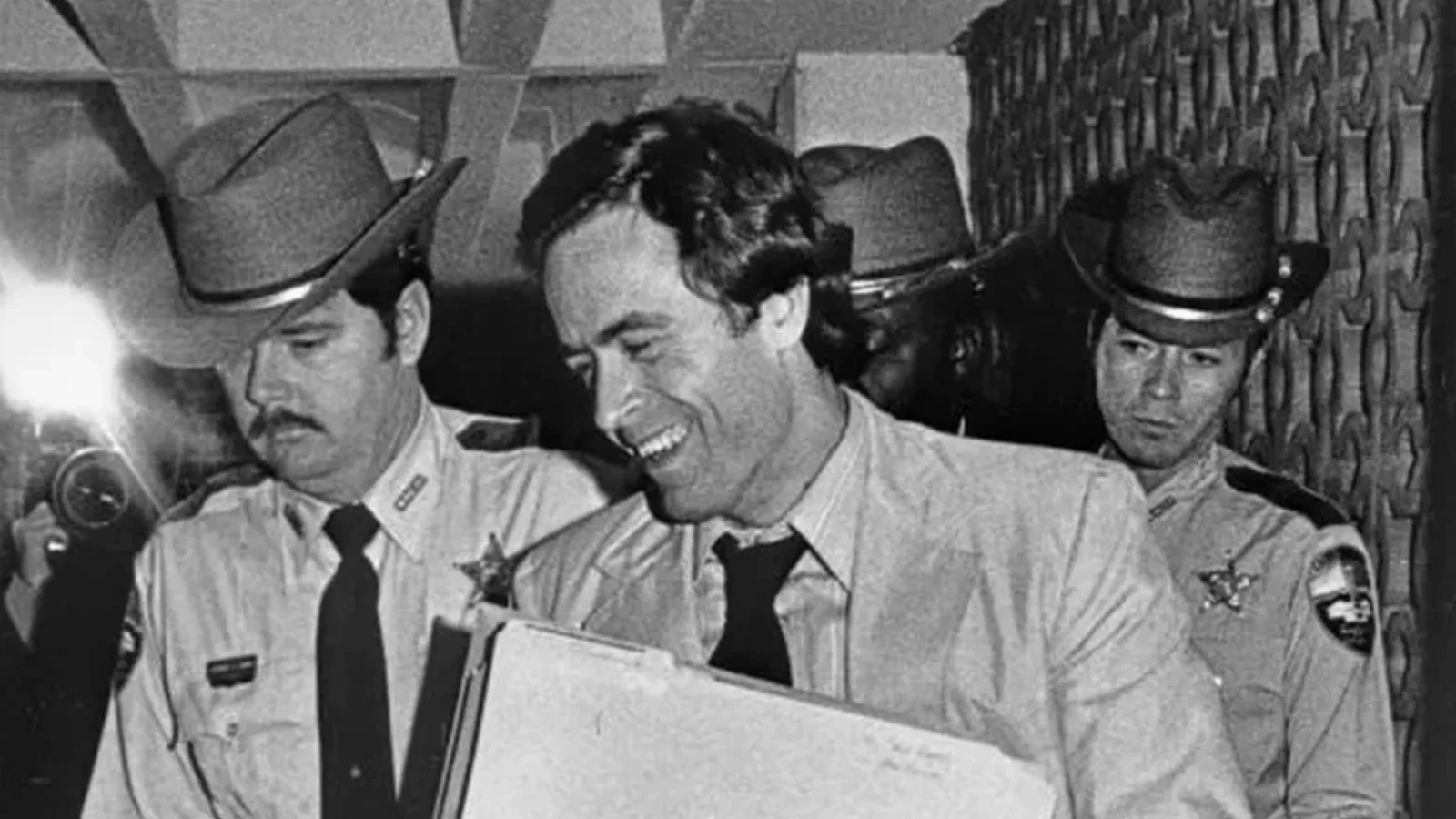
Ted Bundy was executed in 1989, years before the national DNA database existed. On August 1, 2011, Florida officials said a forgotten vial of his blood had yielded his full DNA profile.
David Coffman, chief of forensic services at the Florida Department of Law Enforcement's Tallahassee crime lab, said the lab had developed a complete profile, with all 13 core markers used in database comparisons, from blood taken in 1978 when Bundy was arrested in Columbia County. Despite an order to destroy much of the biological evidence in the Florida case, the vial was still on file in the evidence vault at the Columbia County courthouse. The blood had been collected in connection with the death of 12-year-old Kimberly Leach in Lake City, the third murder for which Bundy was convicted. The profile was to be uploaded to the FBI's national DNA database, CODIS, that Friday.
The search began after a detective in Tacoma, Washington, asked about Bundy's DNA while investigating the 1961 disappearance of Ann Marie Burr from her home. Bundy, who was 14 and living in Tacoma at the time, had denied any role. Coffman said investigators asked about Bundy's DNA four or five times a year, but a partial profile made in 2002 from a tissue sample taken at his autopsy was not complete enough for the FBI database, and DNA from two dental molds was too degraded to use. On August 5, the profile was entered into the national database to be compared with DNA evidence from unsolved cases, FDLE spokeswoman Heather Smith said, and no matches had yet been reported.
CBS Miami described Ann Marie Burr as a 6-year-old, while The New York Times reported that she was 8 when she disappeared.
Sources
- Blood Vial Belonging To Ted Bundy Breathing Life Into Cold Cases, CBS Miami (with The Associated Press)
- Bundy DNA profile gives hope for old cases, The Bulletin (Bend) / New York Times News Service, Erica Goode
- Bundy's DNA could help police, IOL (Sapa-AFP)
Related News
- April 1, 2026: DNA Confirms Ted Bundy Killed Utah Teen Laura Ann Aime in 1974, and Her Case Is Closed
In the Archive
- Ted Bundy
- BUNDY WRITES TO THE GREEN RIVER TASK FORCE
- TED BUNDY IN THE COURTS: THE DEATH WARRANTS AND THE LAST APPEALS, 1978-1989
- THE WUORNOS APPELLATE RECORD
- GERALD STANO IN THE COURTS: FLORIDA, 1984-1998
- MICHAEL LEE LOCKHART IN THE COURTS: TEXAS, INDIANA, FLORIDA AND THE FIFTH CIRCUIT, 1992-1997
- RORY ENRIQUE CONDE IN THE COURTS: THE TAMIAMI TRAIL MURDERS, 1999-2010
- PITKIN COUNTY CASE FILE 75-0078: THE DISAPPEARANCE OF CARYN CAMPBELL
- THE KIMBERLY LEACH APPEAL: BUNDY IN THE FLORIDA SUPREME COURT
- THE CHI OMEGA APPEAL: BUNDY IN THE FLORIDA SUPREME COURT
- INTERVIEW WITH THE TRAIL OF TED BUNDY AUTHOR
- TED BUNDY AND ROBERT KEPPEL ON DEATH WATCH, JANUARY 1989
- 1984 TED BUNDY ADVISES THE GREEN RIVER DETECTIVES
- TED BUNDY'S LAST INTERVIEW, WITH JAMES DOBSON, JANUARY 23, 1989
- INTERVIEW WITH HORROR WRITER SHAWN WILLIAM DAVIS
- TED BUNDY QUESTIONED BY MIKE FISHER IN THE SALT LAKE COUNTY JAIL, MARCH 11, 1976
- AN INTERVIEW WITH AUTHOR KAIT WELLMAN
- INTERVIEW WITH SERIAL KILLER FILM MAKER CHUCK PARELLO
- THE TRIAL OF TED BUNDY
- THE EL PASO HEARING: PAGES 2426 TO 2735
- AMERICAN SERIAL KILLER TED BUNDY
- CLASSIFYING DARKNESS: A STUDY OF SERIAL KILLER TYPES
- THE TED BUNDY NETFLIX MOVIE, REVIEWED
- PARAPHILIA: DEVIANCY AND THE SERIAL KILLER
- HOW TED BUNDY PROFILED THE GREEN RIVER KILLER
- SERIAL KILLER TED BUNDY
- THE TWO PERSONALITIES OF TED BUNDY
- DOWN THE RABBIT HOLE: THE ZODIAC THEORIES
- THE ROAD TO THE ODDEST COUPLE AND BEYOND
- CRIMINAL PROFILING OF SERIAL KILLERS
- DEVIL IS IN THE DETAILS
- MONSTER OF THE LOW COUNTRY
- SERIAL KILLERS AND COMPLEX RELATIONSHIPS
- ORGANIZED VS DISORGANIZED
- SERIAL KILLER FILMS AND THE REAL CASES BEHIND THEM
- SERIAL KILLERS AND HIDING BODIES
- THE BEGINNING OF TED BUNDY
- THE EXECUTION OF TED BUNDY
- KILLER BEAUTY: THE STORY OF SARAH M
- BAYOU BEASTS
- TOP TEN FACTS
- 5 NOTORIOUS SERIAL KILLERS IN THE UNITED STATES SINCE 2000
- HYBRISTOPHILIA KILLER LOVE
- KILLER IQ: THE SERIAL KILLER BY MULTIPLE INTELLIGENCES
- MARRIED SERIAL KILLERS
- MURDERABILIA COLLECTORS AND TRUE CRIME ART
- SERIAL KILLER VEHICLES
- THE HISTORY OF SERIAL KILLERS
- VICTIMS AND KILLERS AND THE UNKNOWN LEGACY
- SEVEN CASES WHERE THE ANSWER WAS IN SOMEONE ELSE'S DNA
- SLENDER MAN AND THE CASE FOR A SHARED PSYCHOSIS
- THE KILLER ABC'S: KILLER A'S
- SEXUAL SADISTS
- MURDER AND MADNESS: ELIAS ABUELAZAM
- HENRY LEE LUCAS BEFORE THE GRAND JURY: PAGES 1871 TO 2094
- THE ALLURE OF RICHARD RAMIREZ
- THE HIDDEN VICTIMS: SERIAL KILLERS AND THEIR CHILDREN
- TWO OF A KIND: 6 OF HISTORY’S MOST SINISTER KILLER PARTNERSHIPS
- CADAVEROUS BANQUET: THE GARY HEIDNIK BASEMENT
- KILLER COP: GERARD JOHN SCHAEFER
- WHERE SERIAL KILLERS LURKED
- ARE YOU TERRORIZED
- SERIAL KILLERS WHO WORE DISGUISES
- EIGHT ESCAPES THAT COST LIVES
- 10 UNSOLVED MURDERS LINKED TO THE OCCULT
- ED GEIN: SERIAL KILLER OR REGULAR MURDERER
- EVERY STATES MOST NOTORIOUS SERIAL KILLERS
- GOOD DEEDS OF SERIAL KILLERS
- HOW TO SURVIVE A SERIAL KILLER
- INSIDE BERDELLA IT FESTERED
- KENDALL FRANCOIS: THE MONSTER OF POUGHKEEPSIE
- LEOPOLD AND LOEB FOLIE A DEUX
- M ICH KANN NICHT
- MOST EVIL: A LOOK INTO THE MINDS OF THE TRULY EVIL
- NECROPHILIA: DESIRING THE DEAD
- OCCUPATIONS OF SERIAL KILLERS
- OTTIS TOOLE AND HENRY LEE LUCAS AMORE DEMONIAC
- PEOPLE WHO HAVE SURVIVED VICIOUS SERIAL KILLERS
- POPULAR DEAD BODY DUMP SITES
- SERIAL KILLER COINCIDENTAL CATCHINGS
- SERIAL KILLER METHODS OF DISPOSAL
- SERIAL KILLER QUOTES
- SERIAL KILLER SOUVENIRS
- SERIAL KILLER: THE HUMAN BEING
- SERIAL KILLERS AND ASTROLOGY
- SERIAL KILLERS AND INSANITY
- SERIAL KILLERS AND THE DANGERS IN DAYLIGHT
- SERIAL KILLERS WHO DID THE LAST THING YOU WOULD EXPECT
- SHEDDING TEARS FOR A KILLER
- THE CANDY MAN DEAN CORLL
- THE GREEN RIVER KILLER GARY RIDGWAY
- THE MISCONCEPTION OF CHARLES MANSON
- THE SOCIAL SERIAL KILLER
- TOP TEN UNIDENTIFIED SERIAL KILLERS