Ex-Nurse Niels Högel Admits Most of 100 Murder Charges as His Oldenburg Trial Opens
Already serving life, the former nurse told the judge the accusations were largely true as his trial for the deaths of 100 patients at two German hospitals began.
Published
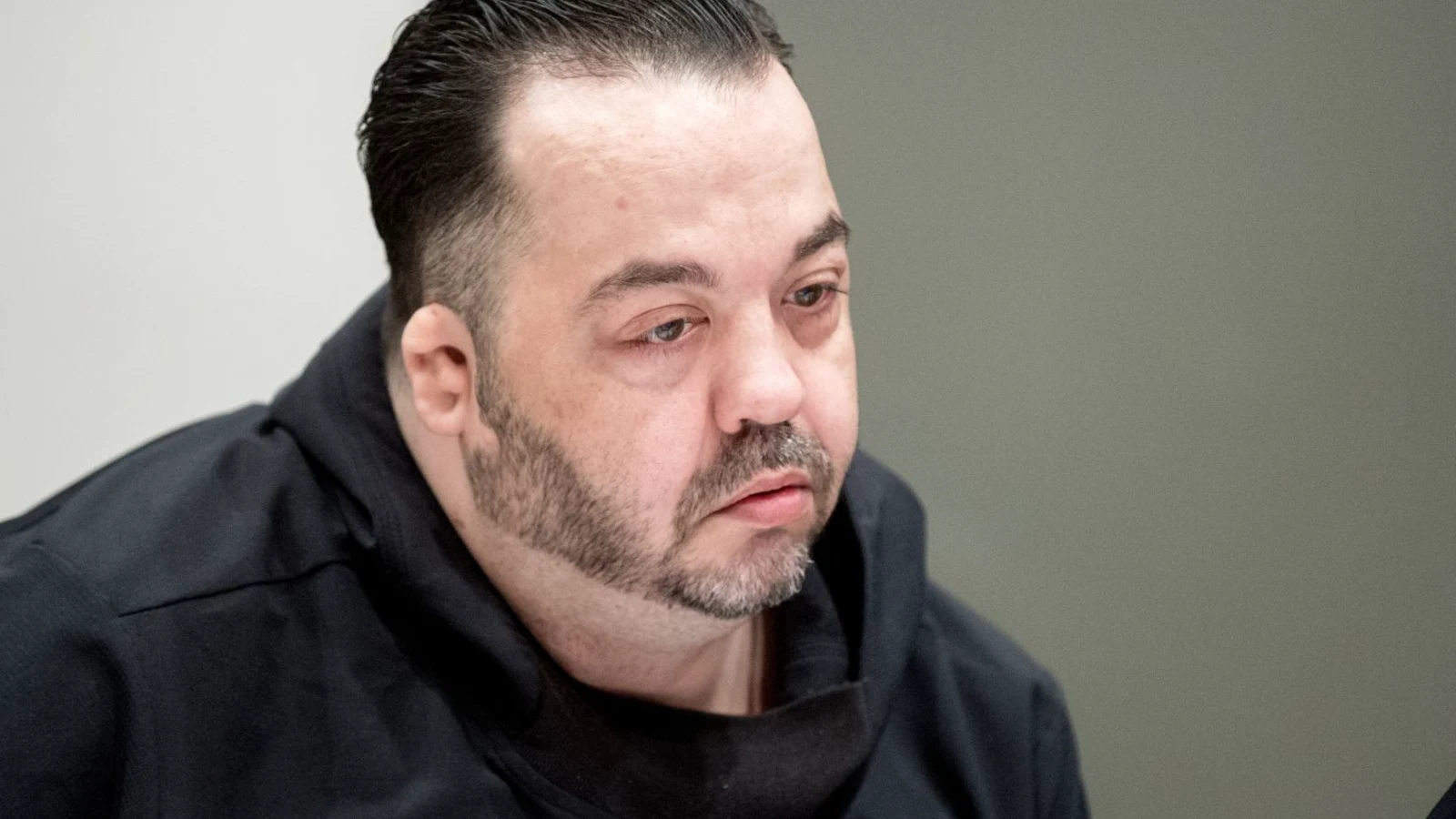
Behind the judge stood three cabinets full of paper, one file for every death the court would examine. On Tuesday, October 30, 2018, the former nurse Niels Högel went on trial in Oldenburg, Germany, charged with murdering 100 patients. Early in the first day, the presiding judge, Sebastian Bührmann, asked him whether the accusations were largely true. Högel nodded and said yes. What he had admitted, he said, was how it had been.
He was already serving a life sentence. The new indictment accused him of 100 murders, committed out of base motives and by stealth, at the Oldenburg hospital and the Delmenhorst hospital between February 2000 and June 2005. According to the prosecution, he injected patients in his care with drugs no doctor had ordered, among them potassium and the heart medications ajmaline, sotalol, lidocaine and amiodarone, to throw them into a crisis he could then dramatically resuscitate them from. The prosecutor, Daniela Schiereck-Bohlmann, told the court he had done it to show off his resuscitation skills to colleagues and superiors, and to relieve his boredom. She then spent an hour reading out the 100 cases, most of them elderly patients.
So many relatives had joined the case as co-plaintiffs that the court moved out of its own building. The trial sat in the Weser-Ems-Halle, an event hall that usually hosts concerts and flea markets. Högel walked in shortly after 9 a.m. holding an open blue folder in front of his face against the waiting photographers. Bührmann told the families that the proceedings would be full of technical language and asked them not to mistake it for coldness, and promised that the court would search for the truth with all its strength. He then called for a minute of silence and read out six names, those of patients whose deaths had been tried before. Högel stood and looked at the floor.
Questioned about his life, the 41-year-old said he had grown up in Wilhelmshaven, the son of a nurse and a legal assistant, sheltered and protected, and had never experienced violence. He began training as a nurse at 17 and later moved to the Oldenburg hospital, where he chose to work in the cardiac intensive care unit. Investigators say that is where the killings began. Resuscitations and deaths rose during his shifts there, but no one went to the police. Instead he was encouraged to resign and left with a favorable reference. At Delmenhorst, too, colleagues talked, but he was reported only after he was caught in the act.
It took years for the full scale to surface. Högel was convicted of attempted manslaughter in 2006, and after an appeal was sentenced again at the end of 2008 to seven and a half years and banned from nursing for life. Further investigations followed only after relatives pressed for them, and a 2015 trial ended in a life sentence. During that trial, police set up a special commission called Kardio. It exhumed 134 bodies from 67 cemeteries; in more than 130 other possible cases, no crime could be proven because the patients had been cremated. According to the newspaper taz, Högel had told fellow inmates that he stopped counting at 50.
A total of 126 relatives of possible victims had joined the case, represented by 17 lawyers. One of them, Gaby Lübben, who represented more than 100 co-plaintiffs, had accused the authorities of a nine-year boycott of the investigation. The trial was set to resume on November 21, with 23 witnesses and 11 toxicology and forensic experts to be heard.
What the first day established. Högel's answer to the judge was a general admission that the charges were largely true, not a plea to each of the 100 counts, and the court still had to examine every case. The figure of 100 was the prosecution's charge, not a finding. The motives quoted are the prosecution's. The patients were not named in full in reports of the day.