Police Say Ex-Nurse Niels Högel Murdered at Least 84 More Patients at Two German Hospitals
After exhuming 134 former patients, Oldenburg investigators described a toll unique in the history of the German republic, and said the true number may never be known.
Published
The exhumations told the story the hospital records could not. For nearly three years, investigators in northern Germany dug up the remains of 134 former patients and tested them for traces of the heart drugs a nurse had admitted using to throw people into cardiac crisis. On Monday, August 28, 2017, police in Oldenburg announced what they had found: evidence that Niels Högel, already serving life in prison, had murdered at least 84 more patients, bringing the number of killings attributed to him to at least 86, and that the real toll might never be known.
"The realization of what we were able to learn is horrifying," Johann Kühme, the Oldenburg police chief, told reporters. "It defies any scope of the imagination." The chief investigator, Arne Schmidt, called the death toll unique in the history of the German republic and said Högel had chosen his victims at random.
Högel had been sentenced to life in 2015 for two murders and two attempted murders at a hospital in Delmenhorst. During that trial he admitted that he had deliberately induced cardiac arrest in 90 of his patients with overdoses of heart medication, and he said he enjoyed trying to bring them back, though sometimes he failed. Those admissions set off the inquiry. A special commission, launched in October 2014, combed through more than 500 patient files before ordering the exhumations. Toxicology results were still pending in 41 cases, and many of the nurse's former patients had been cremated, leaving nothing to test.
The police account traced the killings back to February 2000, when Högel was working at a clinic in Oldenburg, close to the Dutch border. After killing at least 35 more patients there, investigators said, he moved in 2002 to the hospital in Delmenhorst, near Bremen, and began again within a week of starting the job. He would inject a cardiovascular drug into a patient's vein to create an emergency that he could then step in to treat. Police named five drugs: ajmaline, sotalol, lidocaine, amiodarone and calcium chloride.
People around him had noticed. Deaths in the Delmenhorst intensive care unit doubled during his time there, and nothing was done. In 2005 a colleague saw Högel injecting a patient with ajmaline, and management waited two days to act, time in which he killed his final patient. Six Delmenhorst employees had by then been charged with negligent manslaughter for failing to stop him, and an investigation into the clinic in Oldenburg, which had given him a clean reference, was still open. "The murders could have been prevented," Kühme said. "People at the clinic in Oldenburg knew of the abnormalities."
New charges were expected, and they came. In October 2018 Högel went on trial in Oldenburg for the murders of 100 patients, and in June 2019 he was convicted of 85 of them.
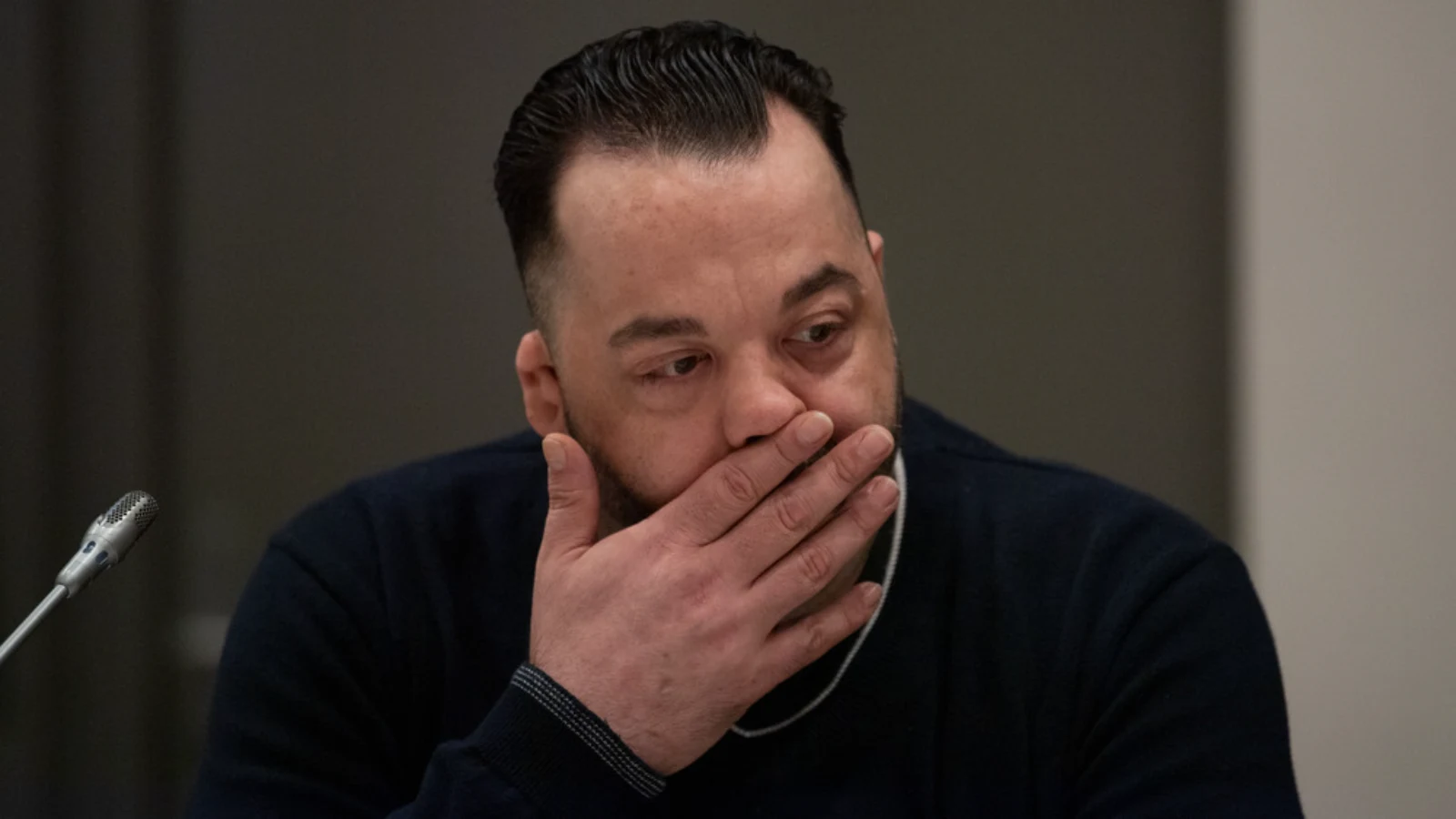
What this story covers. It is drawn from NPR's report of August 28, 2017, by Laurel Wamsley, which relies in turn on The New York Times and The Guardian for what was said at the Oldenburg press conference; the police directorate's own release is no longer online. The figures are as reported that day: 84 further killings, at least 86 in all, while Schmidt was also quoted speaking of evidence for at least 90 murders. The charges against the hospital employees were accusations at the time, not findings. The photograph shows Högel in court at a later hearing, not on the day of the announcement.