Exhumations Find Heart Drug in Ten More Former Patients of Nurse Niels Högel
Toxicology on bodies dug up in Ganderkesee and Delmenhorst put the convicted nurse under strong suspicion of more killings, prosecutors said.
Published
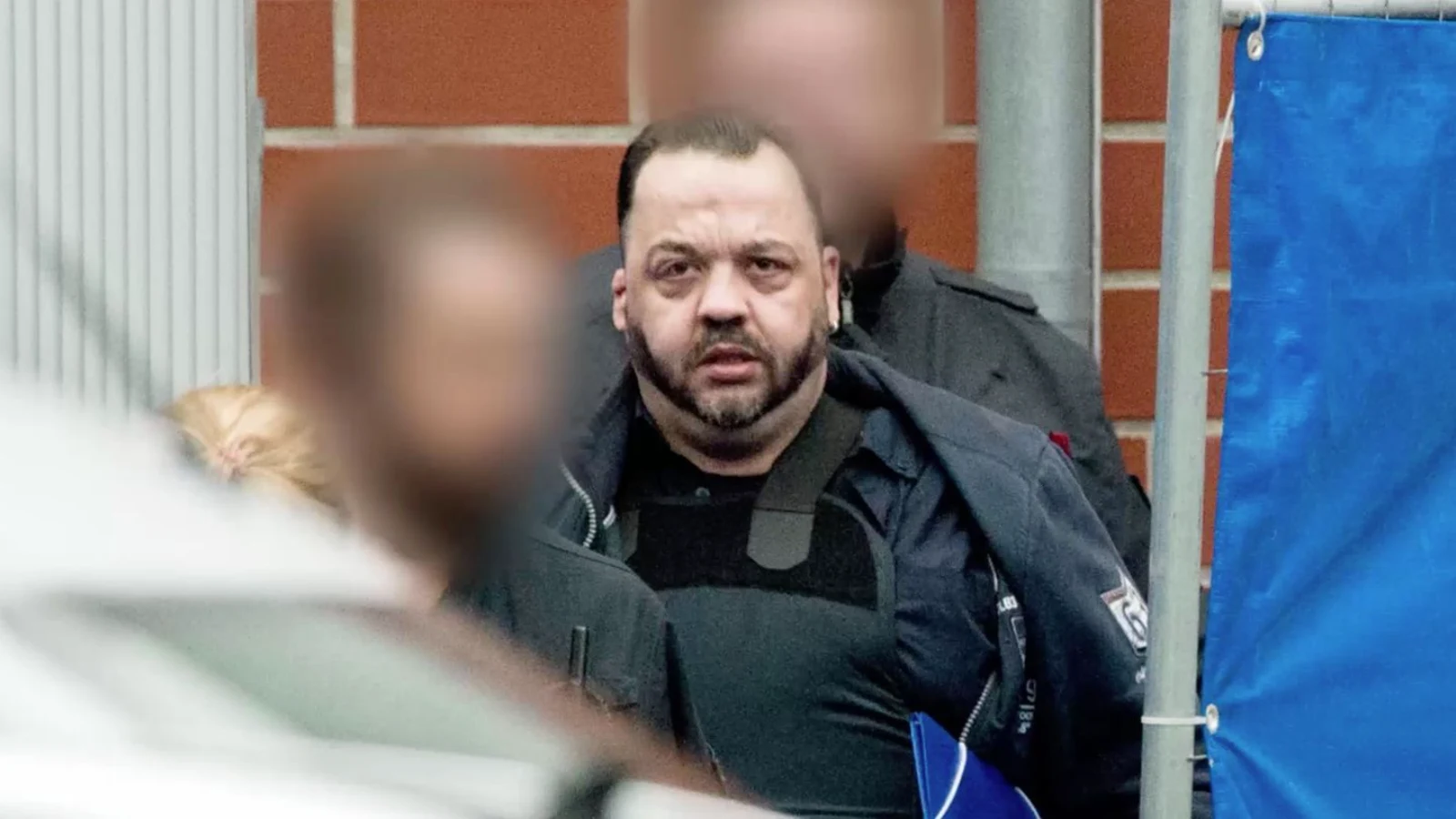
More than ten years after they were buried, the dead of two small cemeteries in Lower Saxony were giving up the evidence. On Wednesday, July 15, 2015, investigators in Oldenburg said toxicology tests on bodies exhumed in Ganderkesee and Delmenhorst had found traces of the heart drug that former nurse Niels Högel used to kill patients, in at least ten more cases. "He is under strong suspicion," prosecutor Martin Rüppell said.
Högel, 38, was already serving life. In February an Oldenburg court had convicted him over five patients at the hospital in Delmenhorst, west of Bremen, and during that trial he had admitted killing about 30 people there between 2003 and 2005. A police special commission was now working through more than 200 suspected cases, at Delmenhorst and at Klinikum Oldenburg, the hospital where he had worked before.
Over the preceding months the commission had exhumed 29 bodies in Ganderkesee and Delmenhorst. For the families, the graves were being reopened along with everything else. "My clients are traumatized," said Gabby Lübben, a lawyer for the relatives of five of the dead in whom the drug had now been found. "They are shaken and shocked. They had not expected this result."
There was more to come. Seven graves had just been opened at another Delmenhorst cemetery, with the results not yet in. "We will continue in August," said the commission's spokesman, Stephan Klatte, who would not say where. The work was expected to run into the following year, and it could never be complete: many of Högel's former patients had been cremated, and anyone who had been prescribed the drug in life could not be counted, because there was no way to tell whether an extra, fatal dose had been given.
Prosecutors intended to charge Högel again once the investigation was finished. "Even if he already has life, for the relatives that is important," Lübben said.
What this story covers. Everything here, including the quotations, which are translated from German, comes from the Nordwest-Zeitung report of July 15, 2015. In July 2015 the ten new cases were suspicions supported by toxicology, not charges. The eventual outcome, a 2019 conviction for 85 murders, is reported in this archive's later stories and in its case file on Niels Högel. The photograph of Högel comes from news coverage of the case; the date it was taken is not established.
Sources
- Wohl zehn weitere Opfer des Ex-Pflegers entdeckt, Nordwest-Zeitung (NWZonline)
Related News
- February 26, 2015: Ex-Nurse Niels Högel Sentenced to Life for Murders of Delmenhorst Patients
- August 28, 2017: Police Say Ex-Nurse Niels Högel Murdered at Least 84 More Patients at Two German Hospitals
- October 30, 2018: Ex-Nurse Niels Högel Admits Most of 100 Murder Charges as His Oldenburg Trial Opens
- June 6, 2019: Ex-Nurse Niels Högel Convicted of Murdering 85 Patients at Two German Hospitals