Parole Board of Canada Denies Paul Bernardo Release at His First Hearing
After the mothers of Leslie Mahaffy and Kristen French and a woman he raped in 1988 spoke at Millhaven, a two-member panel took about 30 minutes to keep him behind bars.
Published
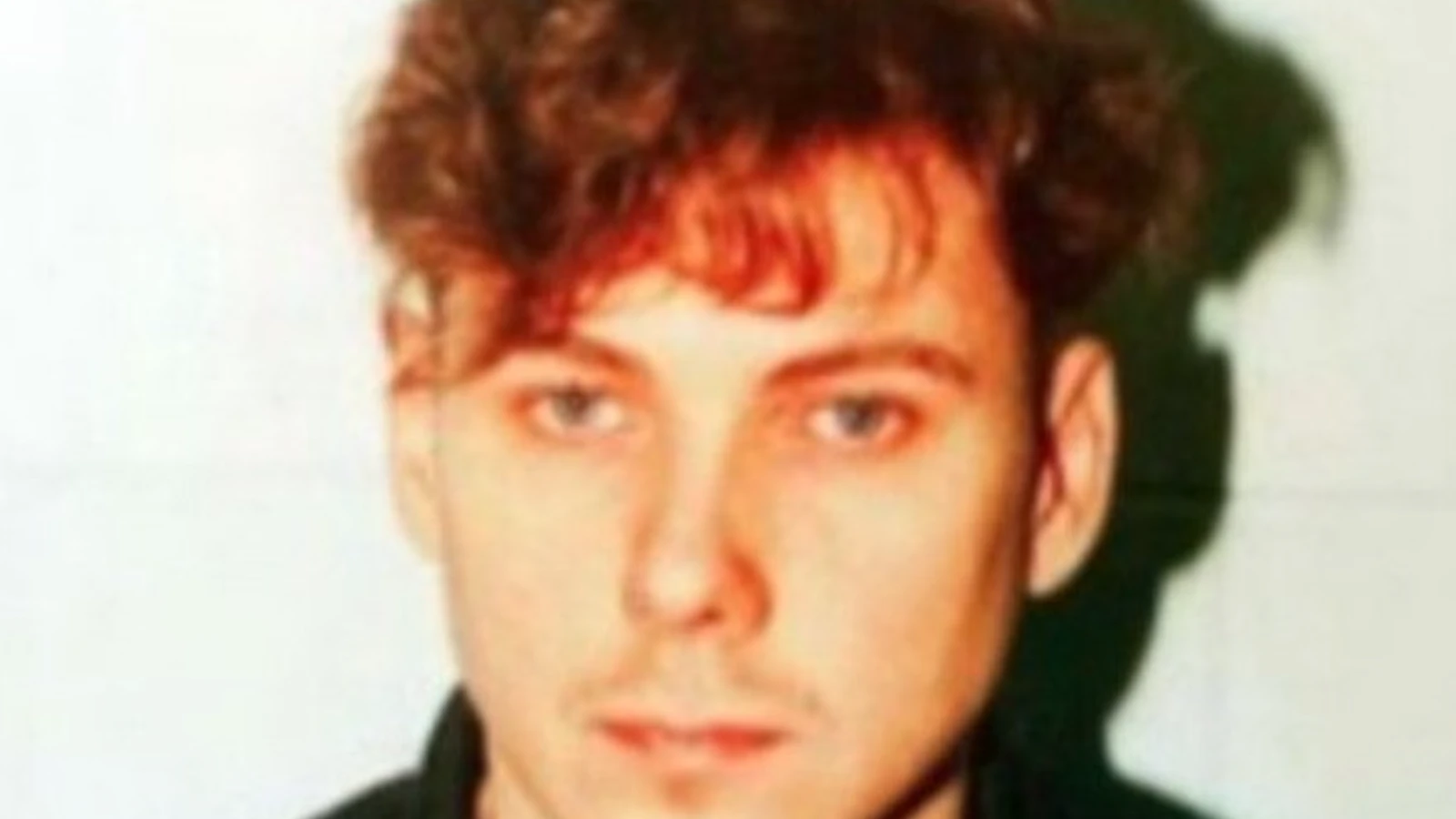
Paul Bernardo asked to be let out, and the answer took about half an hour. On Wednesday, October 17, 2018, a two-member panel of the Parole Board of Canada heard his first bid for parole inside Millhaven Institution, the maximum-security prison east of Bath, Ontario, where he was held, and turned him down after roughly 30 minutes of deliberation. Bernardo, 54, a designated dangerous offender serving a life sentence for the kidnappings, rapes and first-degree murders of two teenage girls in the early 1990s, had been eligible for full parole since February, when he passed 25 years behind bars. He had spent most of those years in maximum-security isolation. Reporters watched the hearing by video link from a room at the neighboring medium-security Bath Institution.
The mothers spoke first, from seats behind him. Bernardo sat between his lawyer and his parole officer and looked down at the table, his hands in his lap. Debbie Mahaffy's daughter Leslie was 14 when Bernardo and Karla Homolka kidnapped her in June 1991, tortured and killed her at their home in Port Dalhousie, then dismembered her body, sealed the remains in cement and dumped them in a nearby lake. Her mother called the day "an emotional hell." "I don't want to be here," she told the panel. "Yet, here I am."
Donna French's daughter Kristen was 15 when the couple abducted her in April 1992 and held her for three days before killing her. "How does one describe such immeasurable pain so as to give even the slightest understanding of the overwhelming sadness, the emptiness, and pain we feel even after 26 years of dealing with our loss?" she asked. He should never be free again, she said, and she reminded the board that the law had been changed after his imprisonment to allow consecutive periods of parole ineligibility.
A third woman followed. She is one of 14 women Bernardo admitted raping. She described walking home one evening in May 1988 when he came at her from behind, dragged her into bushes and raped her, and an emotional devastation she said she had never recovered from. "After the assault, I really became a shell of a person," she said. "He should never be considered for any freedom for the rest of his life."
Then Bernardo spoke. He told the story of a boy whose self-esteem was damaged by a speech impediment, a young man afraid of people whose social anxiety turned sexual. "The more insecure I felt, the more I tried to control," he said. "My self-esteem would get better that way." He denied being a sadistic psychopath, though he admitted he had felt nothing for his victims at the time. When board member Suzanne Poirier asked whether he had used women as objects, he answered, "Back then, absolutely." He told her, "I hurt a lot of people. I cry all the time." Poirier said that to the board, his empathy seemed to be recent. His own parole officer said he had made minimal gains in custody.
The families' longtime lawyer, Tim Danson, said they were pleased with the decision but that something was still missing. "There's never been an apology by Paul Bernardo," he told reporters. "There's been never any indication whatsoever of remorse." Knowing that what he did was wrong, Danson said, was not the same as reaching out to the families and apologizing to them.
What the reports established. This account rests on CBC News and Canadian Press coverage published the day of the hearing; the board's written decision is not published online and was not opened. One of those reports also says Bernardo was convicted of manslaughter in the December 1990 death of Karla Homolka's younger sister, Tammy; he was charged in her death but never tried, so that statement is left out. The reports opened do not settle whether he applied for day parole as well as full parole, so this account says only that parole was denied.
Sources
- Ontario killer and rapist Paul Bernardo denied parole, CBC News (with The Canadian Press)
- Convicted rapist and killer Paul Bernardo denied parole, The Canadian Press via Global News (Colin Perkel)
Related News
- November 26, 2024: Parole Board of Canada Denies Paul Bernardo Release for a Third Time
In the Archive
- Paul Kenneth Bernardo
- THE TOP TEN MOST INFLUENTIAL FEMALE KILLERS
- KARLA HOMOLKA: THE KEN AND BARBIE KILLERS
- TWO OF A KIND: 6 OF HISTORY’S MOST SINISTER KILLER PARTNERSHIPS
- SERIAL KILLER FAMILIES
- OCCUPATIONS OF SERIAL KILLERS
- THIRTEEN SENTENCES PRICED BY WHAT THE KILLER KNEW
- SIX CASES WHERE TALKING FIRST DECIDED THE SENTENCE
- THIS DAY IN SERIAL KILLER HISTORY
- SERIAL KILLERS ON THE LOOSE
- TOP FOUR MODERN CASES OF CANNIBALISM