Samuel Little, Who Confessed to 93 Killings, Dies in California Custody at 80
California prison officials said Little, serving three life-without-parole terms for Los Angeles murders, died at an outside hospital. A medical examiner was to rule on the cause.
Published
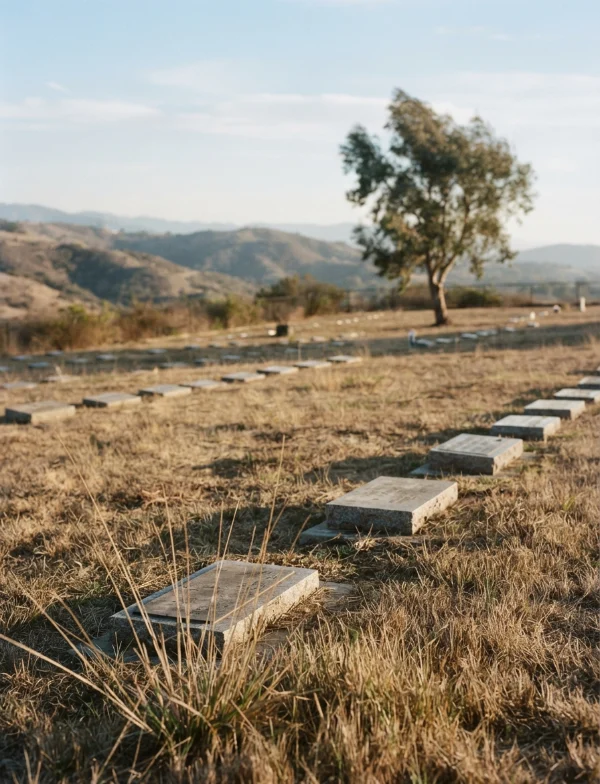
Samuel Little, the drifter who confessed to 93 killings and whom the FBI called the most prolific serial killer in U.S. history, died on Wednesday, December 30, 2020. California prison officials said he was pronounced dead at 4:53 a.m. at an outside hospital. He was 80. The Los Angeles County Medical Examiner's Office was to determine the cause of death, and Vicky Waters, a spokeswoman for the state corrections department, told the Associated Press there was no sign of foul play. He had diabetes, heart trouble and other ailments, the AP reported.
The only punishment California ever imposed for murder was the one he was serving: three consecutive terms of life without parole from Los Angeles County for the deaths of three women in the late 1980s. DNA matched to evidence from the crime scenes tied him to those killings, and a Los Angeles County jury convicted him of first-degree murder on September 25, 2014. He entered state prison two months later, on November 24. It was the end of a long run through the system. The department said he had served four years for assault with a deadly weapon and false imprisonment after a 1985 case out of San Diego County, and in December 2012 he was admitted from Los Angeles County on a drug possession charge. Kentucky authorities had caught up with him that year on drug charges, the AP reported, and his DNA linked him to the California deaths.
For years he denied that he had ever killed anyone. Then, in May 2018, he began talking to Texas Ranger James Holland, who had been sent to question him about a killing Little turned out not to have committed. Over roughly 700 hours of interviews he described scores of slayings in detail that, according to the AP, only the killer would know. He gave Holland dozens of paintings and drawings of the women, sometimes writing a name when he could recall it, along with the year, the place and where he had left the body. He said he began in Miami on New Year's Eve 1970. The last, he said, was in Tupelo, Mississippi, in 2005.
Almost all of the dead were women, many of them sex workers, people addicted to drugs or poor people living at the edges of society. Little said he believed they would leave few people behind to look for them. Local authorities had often classified their deaths as accidents, overdoses or the result of unknown causes. He strangled most of them, usually soon after meeting them by chance; one, a woman he met at a nightclub in 1982, he drowned.
The count was still moving when he died. By then he had confessed to 93 killings between 1970 and 2005, and the AP reported that authorities had confirmed nearly 60 of them and had no reason to doubt the rest. "Nothing he's ever said has been proven to be wrong or false," Holland told "60 Minutes" in 2019. Little told the same program that he hoped his confessions might free anyone wrongly convicted of his crimes. "I say if I can help get somebody out of jail, you know, then God might smile a little bit more on me," he said.
What was known on December 30, 2020. The corrections department did not name the hospital or announce a cause of death, which was left to the county medical examiner. The number of confirmed victims was a running figure: the AP put it at nearly 60 on the day of his death, while the department's release said he had confessed to more than 93 murders.
Sources
- Convicted Killer Samuel Little Dies, California Department of Corrections and Rehabilitation
- Samuel Little, called most prolific US serial killer, dies, Associated Press via Las Vegas Review-Journal