Samuel Little May Be Linked to More Than 90 Murders, Texas Authorities Say
Already serving life for three Los Angeles murders and charged in a 1994 Odessa killing, Little had described killings in at least 14 states to investigators, officials said.
Published
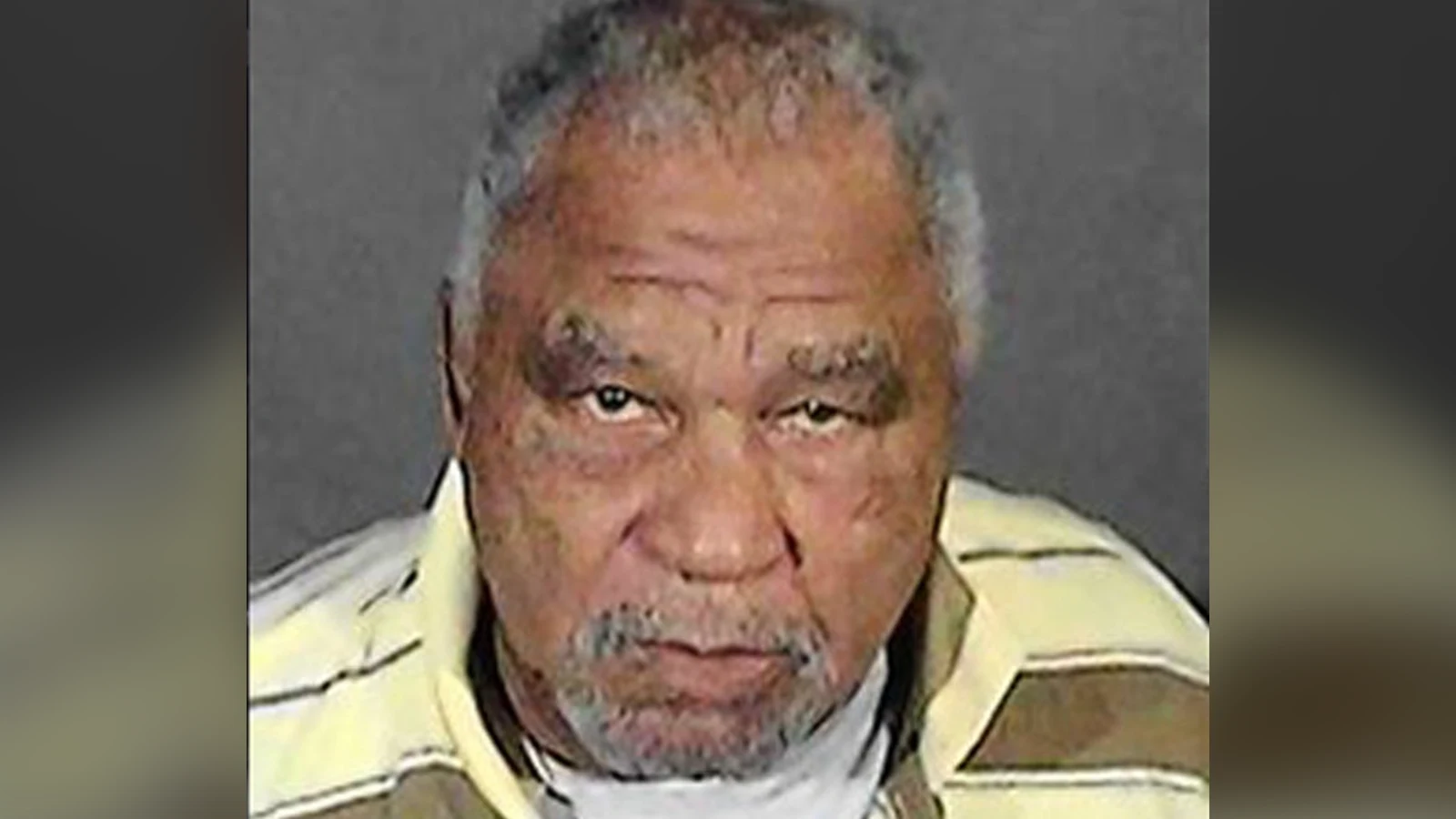
Samuel Little had been talking to a Texas Ranger for months. On Tuesday, November 13, 2018, Texas authorities said the 78-year-old, already serving three life sentences for murders in Los Angeles, could be connected to more than 90 killings committed across more than a dozen states over three decades. According to the Wise County Sheriff's Office, where he was being held, Little had given investigators details of a "multitude" of murders he may have committed between 1970 and 2005.
The states named stretched from California to South Carolina: Texas, Florida, Georgia, Kentucky, Tennessee, Mississippi, Louisiana, Illinois, Ohio, California, Indiana, Arizona, New Mexico and South Carolina.
The door had been opened by a single West Texas case. In July 2018, Little, who also went by Samuel McDowell, was charged with the 1994 murder of Denise Christie Brothers in Ector County and extradited from California. Ector County District Attorney Bobby Bland said in a statement that a Texas investigator "was able to use this case as a catalyst to continue to gain trust and information from Little in order to solve dozens of other cases." If Little were found guilty of the murders he had described, Bland said, he "will be confirmed as one of, if not the most, prolific serial killers in U.S. history."
Until then, the law had caught up with him only in Los Angeles. He was arrested at a Kentucky homeless shelter in September 2012 and sent to California on a narcotics charge, and once he was in custody, Los Angeles police detectives matched his DNA to three unsolved homicides from 1987 and 1989. In each, a woman had been beaten and strangled and her body left in an alley, a dumpster or a garage. Little insisted he was innocent throughout his trial. He was convicted in 2014 and sentenced to three consecutive life terms without the possibility of parole. In the early 1980s he had been charged with killing women in Mississippi and Florida, but was never indicted in Mississippi and was not convicted in Florida.
The link to Texas came from the FBI's Violent Criminal Apprehension Program, known as ViCAP, which Los Angeles had asked to build a full background on him. Its analysts found a case out of Odessa that resembled his crimes and could place him passing through the area around the same time, and they sent the lead to the Texas Rangers. In May 2018, Ranger James Holland interviewed Little in California. Little wanted to move prisons and was willing to talk in exchange. Over the course of that interview, an FBI analyst said, he went city by city and state by state, giving the number of people he had killed in each place. After the Odessa charge he was taken to Texas and housed in Wise County to be closer to Holland, who was interviewing him almost every day.
Two weeks after the Texas announcement, on November 27, the FBI said that according to the Texas Rangers, Little had confessed to 90 murders, and that its analysts had so far confirmed 34 of them, with many more pending confirmation and some still uncorroborated. They said he remembered his victims and the killings in great detail, down to where he was and what car he drove, and drew pictures of many of the women, but was unreliable on dates. According to the bureau, he chose marginalized and vulnerable women, often involved in prostitution and addicted to drugs; a former boxer, he usually knocked them out with punches and then strangled them, and many of the deaths were never classified as homicides. The FBI asked anyone with information on possible links to Little to contact its tipline.
What this announcement established. On November 13, 2018, the figure of more than 90 murders rested on Little's own accounts and on the statements of the Ector County district attorney and the Wise County Sheriff's Office; the confirmed count of 34 came from the FBI two weeks later. At that point Little's only murder convictions were the three in Los Angeles, and he had not been tried for the death of Denise Christie Brothers. The district attorney's statement is known from news reports of the day; the reports did not name the women in the other cases.
Sources
- Suspected serial killer Samuel Little may be connected to at least 90 murders, NBC News
- ViCAP Links Murders to Prolific Serial Killer, Federal Bureau of Investigation
Related News
- August 23, 2019: Samuel Little Pleads Guilty to Four Ohio Murders
- October 6, 2019: FBI Confirms Samuel Little as the Most Prolific Serial Killer in U.S. History
- December 30, 2020: Samuel Little, Who Confessed to 93 Killings, Dies in California Custody at 80