Court of Appeal Rejects "Yorkshire Ripper" Peter Sutcliffe's Challenge to His Whole-Life Term
Three judges led by the Lord Chief Justice said his crimes were "at the extreme end of horror." Two months later the court blocked a bid to go to the Supreme Court.
Published
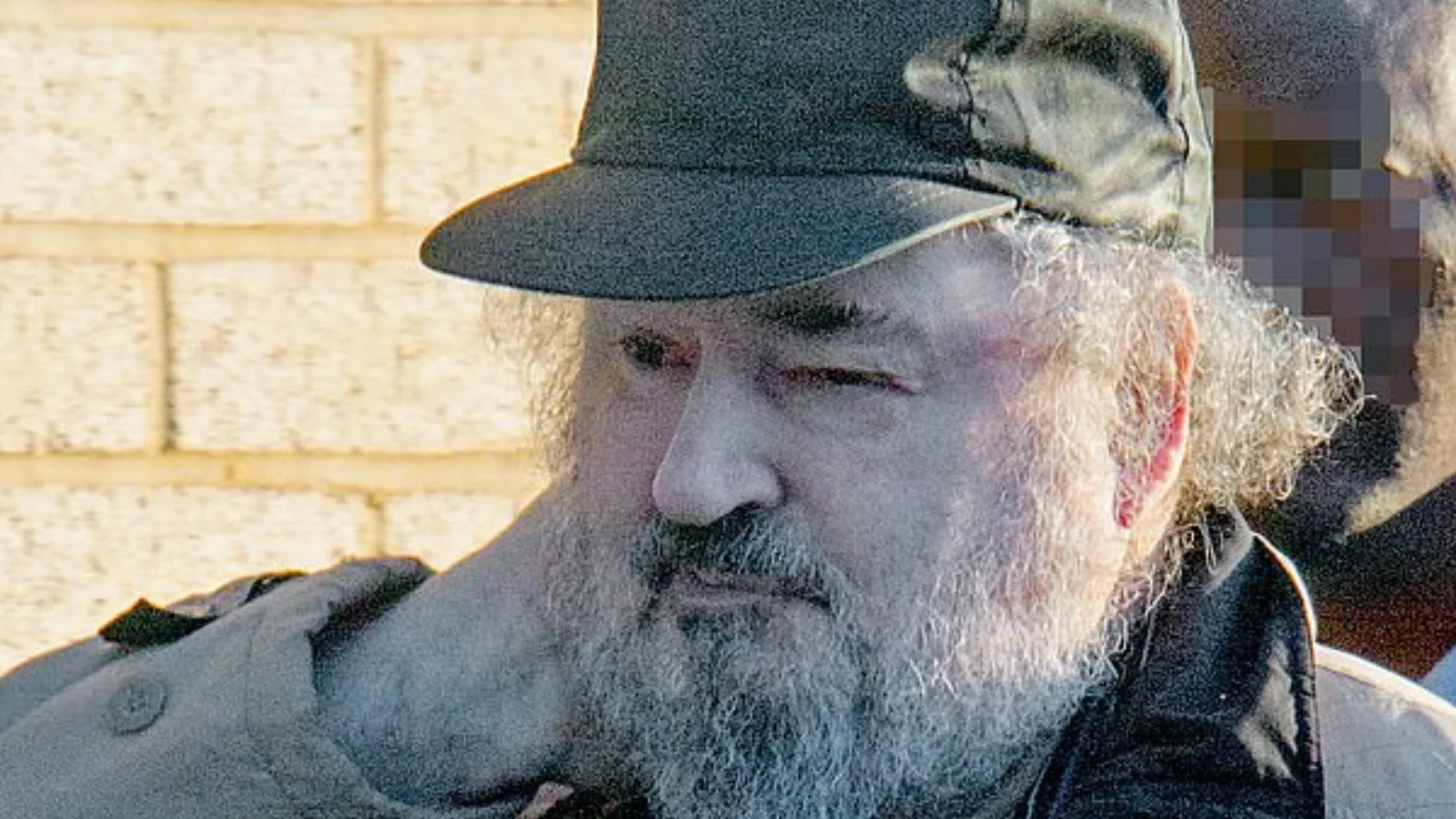
Peter Sutcliffe, the "Yorkshire Ripper," challenged a 2010 ruling that he must never be released. On January 14, 2011, the Court of Appeal dismissed his appeal.
Lord Judge, the Lord Chief Justice, sitting with Mr Justice Calvert-Smith and Mr Justice Griffith Williams, upheld the whole-life order made by Mr Justice Mitting on July 16, 2010. Sutcliffe, 64, had been convicted at the Central Criminal Court on May 22, 1981, of 13 murders and received 20 life sentences. His lawyer argued that his mental disorder justified a finite minimum term. Lord Judge said the offenses as a whole showed "criminal conduct at the extreme end of horror," and that Sutcliffe's claim to have acted on divine instruction carried no greater conviction than when the jury rejected it. The interests of justice, the judges ruled, required "nothing less" than a whole-life order.
Sutcliffe, now known as Peter Coonan, was held at Broadmoor high-security hospital, where he had been transferred from prison in 1984. On March 9, 2011, the Court of Appeal refused to certify a point of general public importance, ending his bid to take the case to the Supreme Court.
A BBC report on the January 2011 ruling dated the High Court's whole-life order to 2009, while the Court of Appeal's judgment and a later BBC report dated it to July 2010.
Sources
- R v Coonan (Formerly Sutcliffe) [2011] EWCA Crim 5, Court of Appeal (Criminal Division), via The National Archives Find Case Law
- Yorkshire Ripper loses appeal over 'whole life' term, BBC News
- Yorkshire Ripper Peter Sutcliffe loses life tariff case, BBC News
Related News
- July 16, 2010: High Court Rules "Yorkshire Ripper" Peter Sutcliffe Must Never Be Released, Setting a Whole-Life Term
- November 13, 2020: Peter Sutcliffe, the 'Yorkshire Ripper,' Dies in Hospital at 74 After Testing Positive for COVID-19
In the Archive
- Peter William Sutcliffe
- THE FBI’S YORKSHIRE RIPPER FILE
- PETER SUTCLIFFE: THE YORKSHIRE RIPPER
- PATRICK DAVID MACKAY: THE AXEMAN
- TEN DNA REOPENINGS THAT ANSWERED A DIFFERENT QUESTION
- THE COPYCAT EFFECT
- SERIAL KILLERS AND INSANITY
- TWELVE CASES WHERE THE SUSPECT WAS RELEASED
- THIS DAY IN SERIAL KILLER HISTORY
- SERIAL KILLER QUOTES