High Court Rules "Yorkshire Ripper" Peter Sutcliffe Must Never Be Released, Setting a Whole-Life Term
Sutcliffe had never been given a minimum term for his 13 murders. The judge rejected arguments that mental illness or progress in Broadmoor justified one.
Published
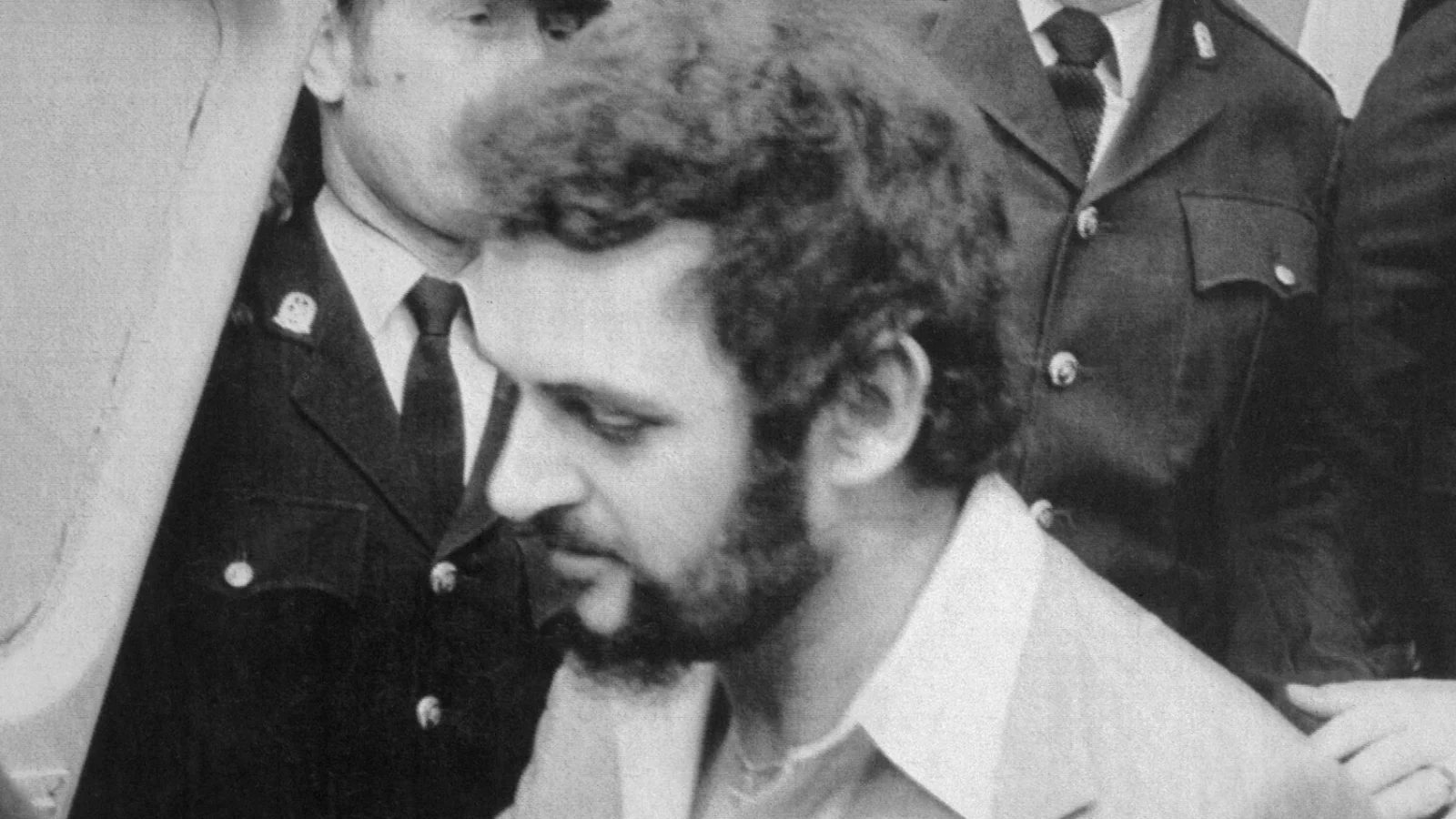
Peter Sutcliffe, the "Yorkshire Ripper," had never been given a minimum term for his 13 murders, leaving a theoretical route to parole. On July 16, 2010, a High Court judge ruled he must never be released.
Mr Justice Mitting set a whole-life term on a reference from the Justice Secretary, after Sutcliffe, 64, applied for a minimum term that could have given him a chance of parole. Now known as Peter Coonan, he was held at Broadmoor high-security hospital. When Boreham J imposed his life sentences in May 1981, he recommended a minimum of 30 years, and in 1997 Lord Bingham, then Lord Chief Justice, recommended 35, but no tariff was ever set. Sutcliffe's lawyers argued that mental disorder had lowered his culpability; the judge rejected that and declined to reduce the term for "exceptional progress" in detention. "This was a campaign of murder which terrorised the population of a large part of Yorkshire for several years," he said.
Between July 1975 and January 1981, Sutcliffe killed Wilma McCann, Emily Jackson, Irene Richardson, Patricia Atkinson, Jayne MacDonald, Jean Jordan, Yvonne Pearson, Helen Rytka, Vera Millward, Josephine Whitaker, Barbara Leach, Marguerite Walls and Jacqueline Hill. Richard McCann, Wilma's son, called the ruling "a small victory for my mum."
The BBC reported that Sutcliffe attempted to murder seven other women, while the judge found that he had attempted to kill eight.
Sources
- Coonan (Formerly Sutcliffe), R v [2010] EWHC 1741 (QB), High Court of Justice, Queen's Bench Division (The National Archives, Find Case Law)
- No release for Yorkshire Ripper Peter Sutcliffe, BBC News
Related News
- January 14, 2011: Court of Appeal Rejects "Yorkshire Ripper" Peter Sutcliffe's Challenge to His Whole-Life Term
- November 13, 2020: Peter Sutcliffe, the 'Yorkshire Ripper,' Dies in Hospital at 74 After Testing Positive for COVID-19
In the Archive
- Peter William Sutcliffe
- THE FBI’S YORKSHIRE RIPPER FILE
- PETER SUTCLIFFE: THE YORKSHIRE RIPPER
- PATRICK DAVID MACKAY: THE AXEMAN
- TEN DNA REOPENINGS THAT ANSWERED A DIFFERENT QUESTION
- THE COPYCAT EFFECT
- SERIAL KILLERS AND INSANITY
- TWELVE CASES WHERE THE SUSPECT WAS RELEASED
- THIS DAY IN SERIAL KILLER HISTORY
- SERIAL KILLER QUOTES