Judge Finds Jeremy Skibicki Guilty of Murdering Four First Nations Women in Winnipeg
Chief Justice Glenn Joyal rejected Skibicki's claim that he was not criminally responsible and convicted him of four counts of first-degree murder in the 2022 killings.
Published
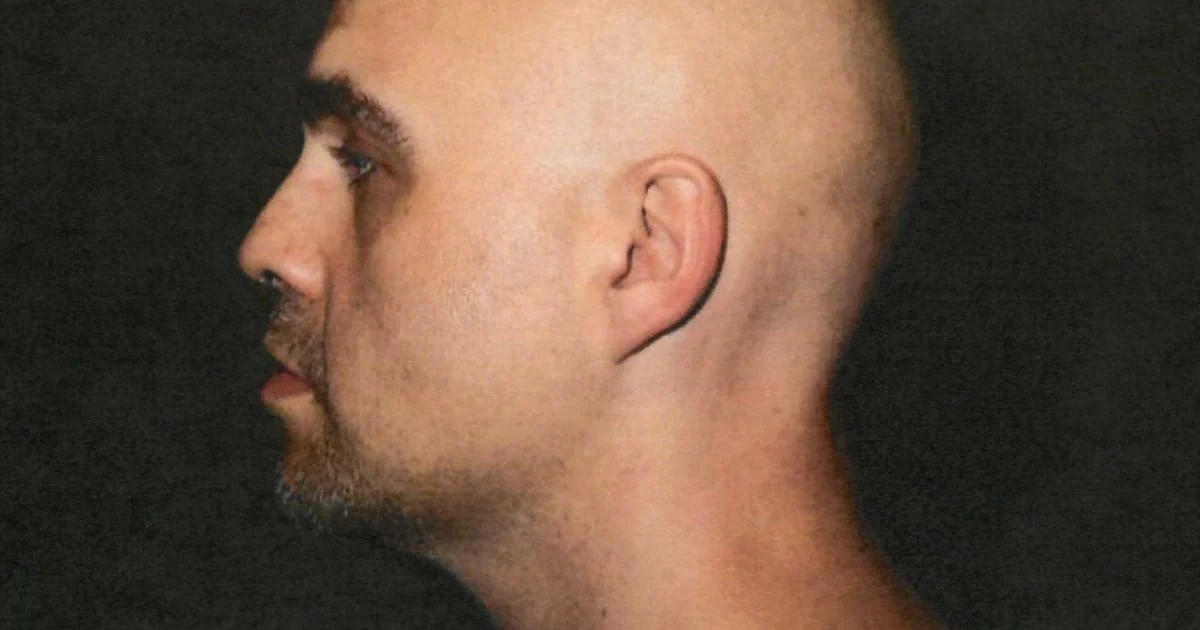
The courtroom in Winnipeg had been smudged in a traditional cleansing ceremony before Chief Justice Glenn Joyal of the Manitoba Court of King's Bench began to speak on Thursday, July 11, 2024. Every one of its 100 seats was filled, family members had been given priority, and dozens more people stood at the back and crowded the hallway outside. When Joyal finished, he had found Jeremy Skibicki, 37, guilty of four counts of first-degree murder, and the gallery erupted in applause and cheers.
Skibicki had admitted the killings. On the eve of his trial, after two years of pleading not guilty, he agreed that he killed four First Nations women in 2022: a woman whom Indigenous elders had named Mashkode Bizhiki'ikwe, or Buffalo Woman, on or about March 15; Morgan Harris, 39, on or about May 1; Marcedes Myran, 26, on or about May 4; and Rebecca Contois, 24, on or about May 15. His lawyers asked that he be found not criminally responsible, arguing that undiagnosed schizophrenia had filled his head with voices.
Joyal rejected that outright. "Simply put: The accused did not have a mental disorder," he said, and he gave little weight to the defense's only witness, a British psychiatrist he described as unprofessional and inexperienced. The killings, the judge found, were deliberate and planned. He accepted the Crown's evidence that Skibicki stalked women at shelters for vulnerable people, invited them back to his home, drugged and sexually assaulted them, killed them and abused their bodies, then dumped their dismembered remains in garbage bins, from which they ended up in Winnipeg-area landfills. "The facts of this case are mercilessly graphic," Joyal said. "For many, this case was and is in numerous respects emblematic of much that is associated with the tragedy and very grave reality of missing and murdered Indigenous women and girls in Canada." He said a lengthy written decision would follow.
The verdict carries an automatic life sentence with no chance of parole for 25 years. Skibicki, his ankles shackled and four sheriff's officers around him, left the room without emotion and without looking at anyone.
For the families, the verdict settled one question and left another. Some of Rebecca Contois's remains had been found at the Brady Road landfill in 2022, but the remains of the other three women had never been located. Harris and Myran are believed to lie in the Prairie Green landfill north of the city, and Premier Wab Kinew said a search there was under way. "We had to fight so hard to put this monster away," said Harris's daughter, Cambria Harris. "Now, we need to find my mom and all our women." Myran's sister, Jorden Myran, said, "Justice was served today." Contois's brother, Jeremy Contois, said it felt as if his sister had finally found peace, though he was still working through his own trauma. "Why did he have to do it?" he said. "I wish I knew that."
The women were remembered by those who loved them: Contois as someone who "always had a heart for everything," Harris, a mother of five and a grandmother, as "happy-go-lucky" and "silly," and Myran as happy, smiley and trusting. Joyal thanked the families for attending every day of the trial, even through its most excruciating details. By being there, he said, they had honored their loved ones and made sure that Buffalo Woman was never forgotten.
At the time of the verdict, the first woman Skibicki killed had not been identified. On March 26, 2025, Winnipeg police identified her as Ashlee Shingoose, of St. Theresa Point Anisininew Nation.
Sources
- Admitted serial killer found guilty in the first-degree murders of four Indigenous women in Winnipeg, The Globe and Mail
- A timeline of what we know about 4 slain Winnipeg women and serial killer Jeremy Skibicki, CBC News
Related News
- December 1, 2022: Winnipeg Police Charge Jeremy Skibicki With Three More Murders, Including a Woman They Cannot Name
- March 7, 2025: Remains Found in Manitoba Landfill Are Identified as Morgan Harris