Stephen Port Inquests: Jury Finds Police Failings Probably Contributed to Three of the Four Deaths
All four young men were unlawfully killed, the jury ruled, and basic checks the Metropolitan Police never made would probably have stopped Port sooner.
Published
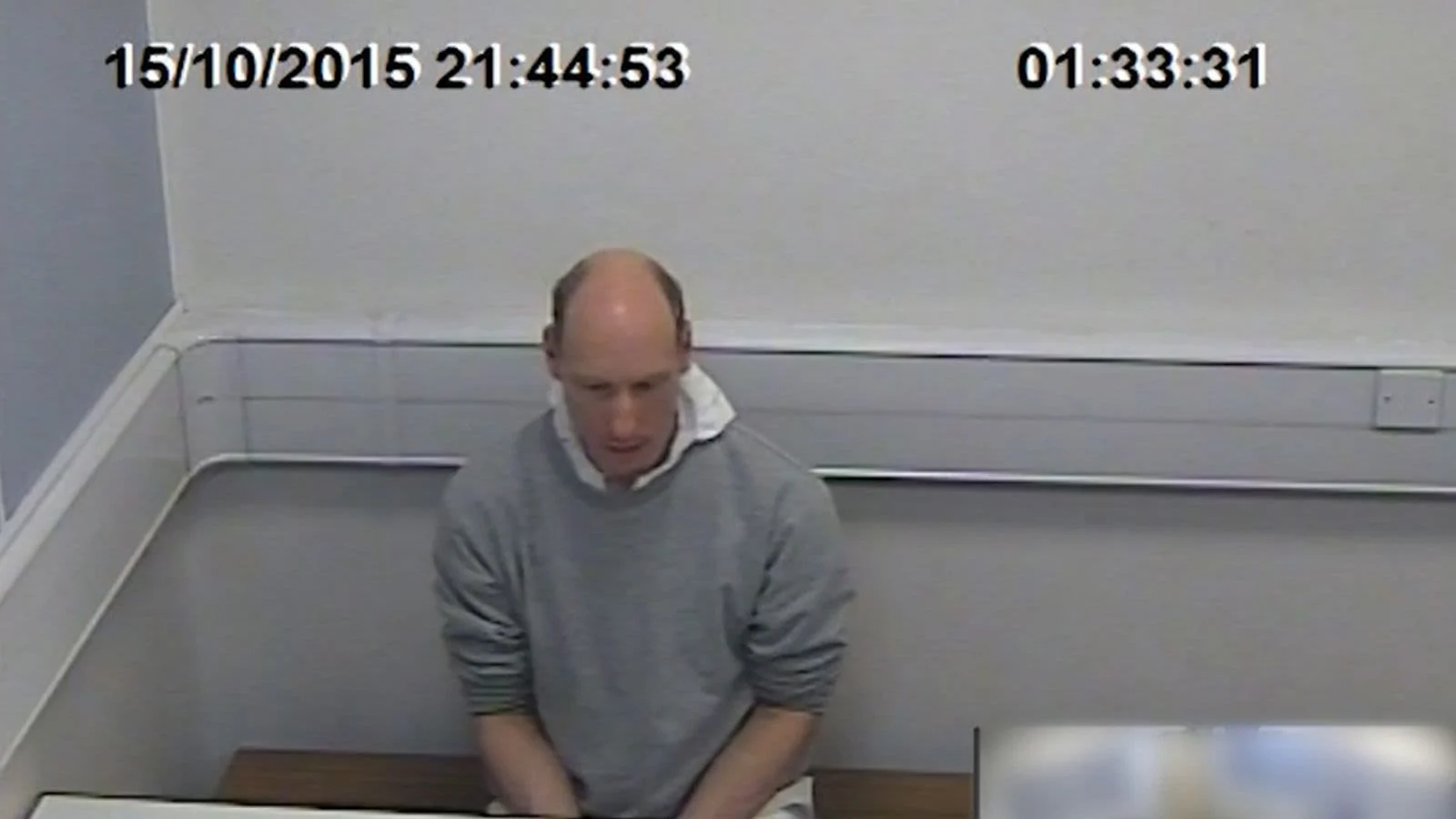
For ten weeks, a jury in Barking, east London, heard how four young gay men died within a few hundred yards of the same flat, and how the police failed, again and again, to see what connected them. On Friday, December 10, 2021, it gave its answer. Anthony Walgate, Gabriel Kovari, Daniel Whitworth and Jack Taylor had each been unlawfully killed. And the failures of the Metropolitan Police had probably contributed to the deaths of the three who died after the first.
All four had been drugged with GHB and murdered by Stephen Port, who met them through websites and apps, and who had already been convicted of their murders. These were fresh inquests, which began on October 1, 2021, before HH Judge Sarah Munro QC, a senior circuit judge sitting as assistant coroner for East London. The first inquests into the deaths of Gabriel Kovari and Daniel Whitworth, in 2015, had ended in open verdicts.
Anthony Walgate, 23, was found dead outside the entrance to Port's block in June 2014. Port had dialed 999 anonymously to report finding a young man collapsed in the street. He lied to police, was charged with perverting the course of justice and was released on bail. A basic check on the Police National Database would have shown that he had been stopped at Barking station two weeks earlier with another young man who was clearly drugged. That check was never done. In August, Gabriel Kovari's body was found in St Margaret's churchyard, 400 yards from Port's flat, and his death was declared non-suspicious. In September, Daniel Whitworth was found in exactly the same spot, holding a note that claimed he had killed Gabriel and then himself. Port had written it. Nobody checked the handwriting properly, and nobody sent the bed sheet wrapped around Daniel for forensic testing. A year later, after Port had served a short sentence for lying about Anthony's death, Jack Taylor was found against a wall of the same churchyard.
The jury answered yes when asked whether the failure to check Port on the police database probably contributed to the later deaths. "We believe that there were fundamental failings in these investigations from the beginning, which we think were at a basic level," the jurors wrote. They acknowledged that officers had been under heavy workloads, but found "failures which cannot be overlooked, which ultimately allowed for missed opportunities, which in turn allowed" Port to continue.
The families had believed from the start that the officers' inaction was driven at least in part by homophobia. The jury was told not to consider that question. The coroner later explained that she had concluded it would not be safe or fair, on the evidence heard, to leave the issue of prejudice to the jury.
In the end it was Jack Taylor's sisters, Donna and Jenny, who pieced together the pattern from their own searches and pressed police to investigate, before detectives finally opened the murder inquiry that led to Port.
What came after. Judge Munro said on December 10 that she would write a report to prevent future deaths. Issued on January 21, 2022, it set out nine matters of concern, addressed to the Metropolitan Police Commissioner, the National Police Chiefs' Council, the College of Policing and the culture secretary, and recorded that the inquests had exposed failings the police watchdog had not identified. In June 2022 the Independent Office for Police Conduct announced it would reinvestigate the Met's handling of the four deaths.
Sources
- Inquests touching the deaths of Anthony Walgate, Gabriel Kovari, Daniel Whitworth and Jack Taylor: Regulation 28 report on action to prevent future deaths, Courts and Tribunals Judiciary (HH Judge Munro QC, Assistant Coroner, East London)
- Police failings in case of Grindr serial killer Stephen Port 'probably' led to more deaths, PinkNews
- Shocking police failings over Stephen Port murders laid bare by inquest, ITV News
- IOPC to reinvestigate Met Police handling of deaths of Anthony Walgate, Gabriel Kovari, Daniel Whitworth and Jack Taylor, Independent Office for Police Conduct