Stephen Port Convicted of Murdering Four Young Men in Barking
After 28 hours the Old Bailey jury found him guilty of 22 offenses against 11 men. The victims' families blamed the police for missing the links.
Published
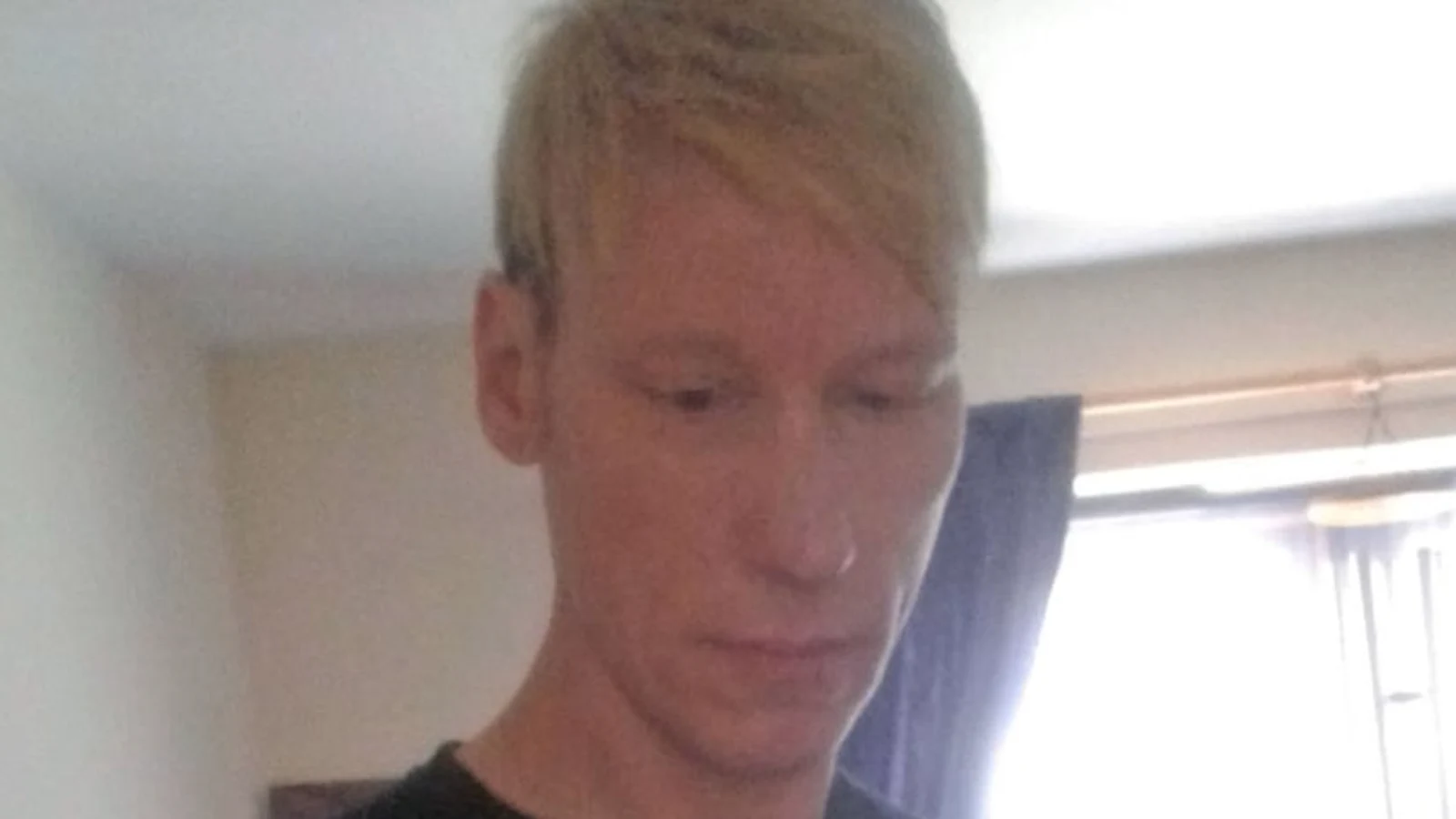
The jury at the Old Bailey had been out for twenty-eight hours. When it finished, on Wednesday, November 23, 2016, Stephen Port, a 41-year-old chef from east London, stood convicted of murdering four young men: Anthony Walgate, 23, Gabriel Kovari, 22, Daniel Whitworth and Jack Taylor, 25. The verdicts on Taylor, Whitworth and Kovari came first. Walgate's, the first of the killings, came last.
Port had found the men on gay dating sites and apps, Grindr among them, and plied them with drinks spiked with fatal amounts of the drug GHB so he could rape them while they were unconscious. Their bodies turned up in and around a graveyard near his home over fifteen months. A dog walker, Barbara Denham, found two of them a month apart in exactly the same spot. The deaths were not linked for more than a year, and in that time Port served a jail term and came out and killed again. In all, the jury convicted him of twenty-two offenses against eleven men: the four murders, four rapes, ten counts of administering a substance and four sexual assaults. It cleared him of three counts of rape.
Outside the court the families turned on the police. Jack Taylor, a forklift truck driver, had been found near the Barking Abbey graveyard on September 14, 2015, in almost the same circumstances as the others, and his mother, Jeanette, and his sisters, Jenny and Donna, said his death had at first been dismissed as "just another drug overdose." It was their pressure, they said, that forced a proper investigation. "We do believe Jack would still be here if they had done their job," they said. "If it had been a woman, then more would have been done." They planned to sue the Metropolitan Police. Daniel Whitworth's stepmother, Mandy Pearson, speaking for his father, Adam, said the family was "bereft at the loss of such a clever, talented and much loved boy," and that with the Independent Police Complaints Commission now investigating, "the fight goes on until all our questions are answered."
Scotland Yard admitted that "potential opportunities" had been missed. Seventeen officers faced investigation for possible misconduct, and the commission was examining whether homophobia had played a part. Commander Stuart Cundy said the force was re-examining fifty-eight unexplained GHB deaths in London over a four-year period, to be sure foul play had not been missed elsewhere, and appealed for any other men Port had assaulted to come forward. "I can't sit here and say categorically that lives could have been saved or other victims protected," he said. The court had also heard about the GHB itself: a dealer, Peter Hirons, had already been jailed for two and a half years after unwittingly selling Port the drug hours before he killed Taylor.
Two days later, on Friday, November 25, Mr. Justice Openshaw told Port he should die in prison for his "dreadful offences," and relatives in the courtroom cheered and clapped. "We finally have justice for Jack and the other boys," Donna Taylor said outside.
What this story covers. The length of deliberations, the order of the verdicts, the victims' names and ages, the counts and acquittals, the dog walker, the families' statements, the misconduct investigation, Commander Cundy's words, the fifty-eight deaths and the dealer's sentence come from ITV News's live coverage of November 23, 2016. Daniel Whitworth's age is left out because the accounts of it differ. The sentencing, the judge's words, the scene in court and Donna Taylor's remark come from the Associated Press report of November 25, 2016, as carried by Global News.
Sources
- Serial killer Stephen Port guilty of murdering four men, ITV News
- British serial killer Stephen Port gets life in prison for murder of 4 gay men he met online, The Associated Press (via Global News)
Related News
- October 19, 2015: Barking Man Stephen Port Charged With Murdering Four Young Men
- December 10, 2021: Stephen Port Inquests: Jury Finds Police Failings Probably Contributed to Three of the Four Deaths