Bruce McArthur Sentenced to Life for the Murders of Eight Men From Toronto's Gay Village
Justice John McMahon declined the Crown's request for 50 years without parole. McArthur, 67, can first apply at 91.
Published
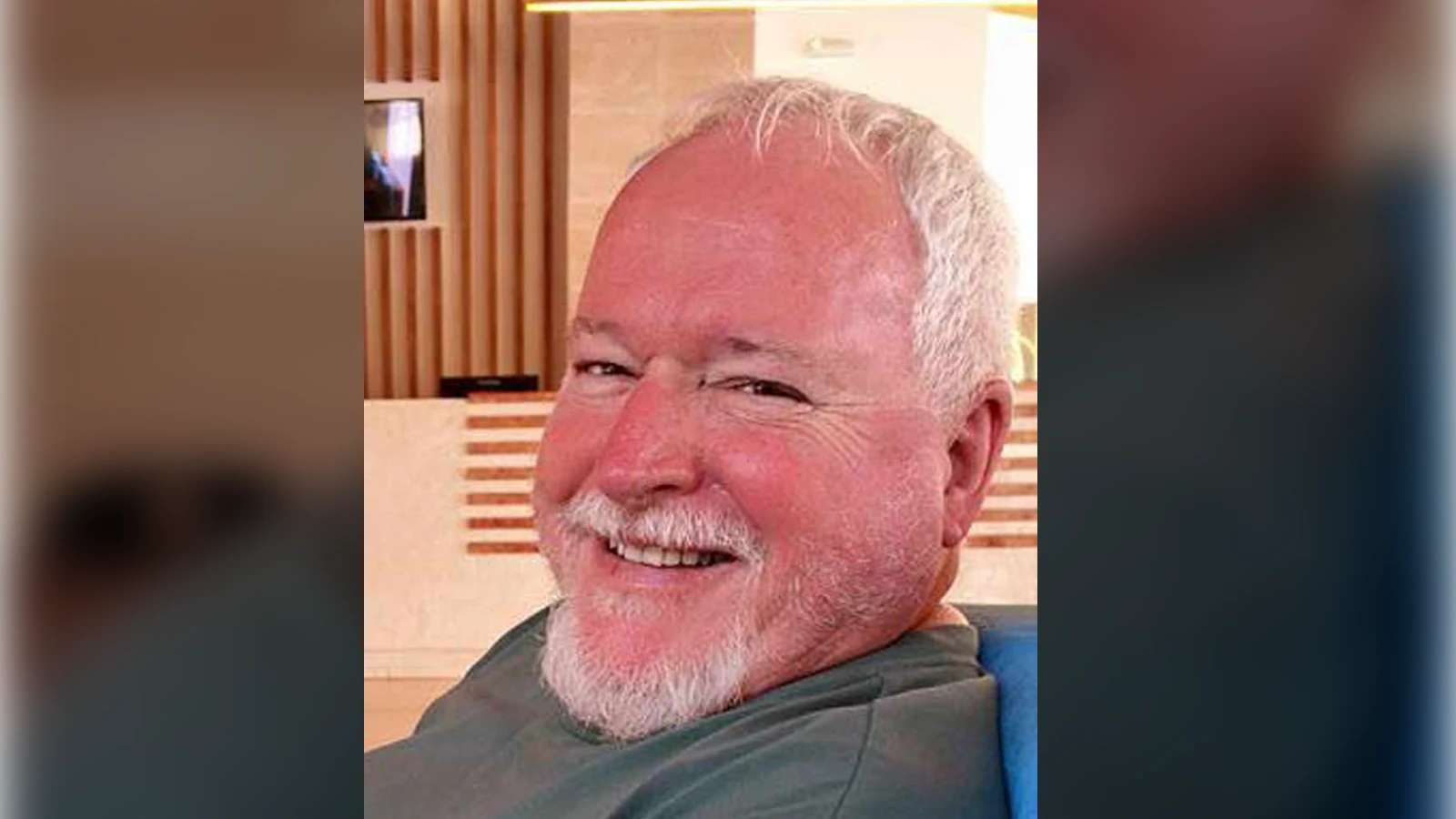
An Ontario judge sentenced Bruce McArthur to life in prison on Friday, February 8, 2019, for the murders of eight men with ties to Toronto's gay village, and ruled that he will not be eligible to apply for parole for 25 years. McArthur, a 67-year-old self-employed gardener, had pleaded guilty the week before to eight counts of first-degree murder. He will be 91 before he can ask to be released.
Justice John McMahon imposed a life sentence on each count and ordered the parole ineligibility periods to run concurrently. The Crown, through Assistant Crown Attorney Craig Harper, had asked for consecutive periods that would have kept McArthur from applying for 50 years. The judge called that position reasonable and then rejected it. "Sentencing the accused to parole ineligibility until he is 116 years of age is symbolic," he said. "There is a fine line between retribution, which is an appropriate sentencing principle, and vengeance." His two reasons were McArthur's age and his guilty plea, which spared the families and the city a trial. Had McArthur gone to trial or been younger, McMahon said, he would have had "no hesitation" in imposing consecutive terms.
The men were Selim Esen, Andrew Kinsman, Majeed Kayhan, Dean Lisowick, Soroush Mahmudi, Skandaraj Navaratnam, Abdulbasir Faizi and Kirushnakumar Kanagaratnam. They disappeared between 2010 and 2017. McMahon said he was satisfied beyond a reasonable doubt that they died "a slow and painful death by ligature strangulation" for McArthur's sexual gratification, and that most were vulnerable men he exploited, whether the vulnerability was an immigration problem, a mental health struggle or a secret double life. He said McArthur staged six of them after death and photographed them, then cut up their bodies and buried the remains in planters or in the ground at a property in Leaside where he worked. Remains were also found in a ravine. The judge said the killings had devastated the LGBTQ community, that McArthur had disproportionately targeted men from the South Asian and Middle Eastern communities, and that he had seen no evidence of remorse.
It was Kinsman's disappearance that finally led investigators to McArthur. Surveillance video showed Kinsman getting into McArthur's distinctive 2004 Dodge Caravan, and his calendar held an entry that read "Bruce." Police matched the name against vehicle records and McArthur's earlier contacts with them. Given the chance to address the court during the sentencing hearing, McArthur said quietly that he had discussed it with his lawyer and declined.
His name goes on Canada's sex offender registry, he must give a DNA sample, and he may not contact any of the victims' families. Inspector Hank Idsinga of Toronto police said the force was satisfied with the sentence and did not expect to see McArthur in public again. Outside the courthouse, Nicole Borthwick, a friend of Kinsman, Lisowick and Esen, said it was not enough. "If you're going to do a maximum crime, you deserve the maximum sentence," she said.
Sources
- Serial killer Bruce McArthur receives life sentence, no parole eligibility for 25 years, Global News
- Serial killer sentenced to at least 25 years in prison, Radio Canada International