Bruce McArthur Charged With Murdering Two Men Missing From Toronto's Gay Village
Police said the 66-year-old landscaper killed Andrew Kinsman and Selim Esen, and that they believed there were other victims.
Published
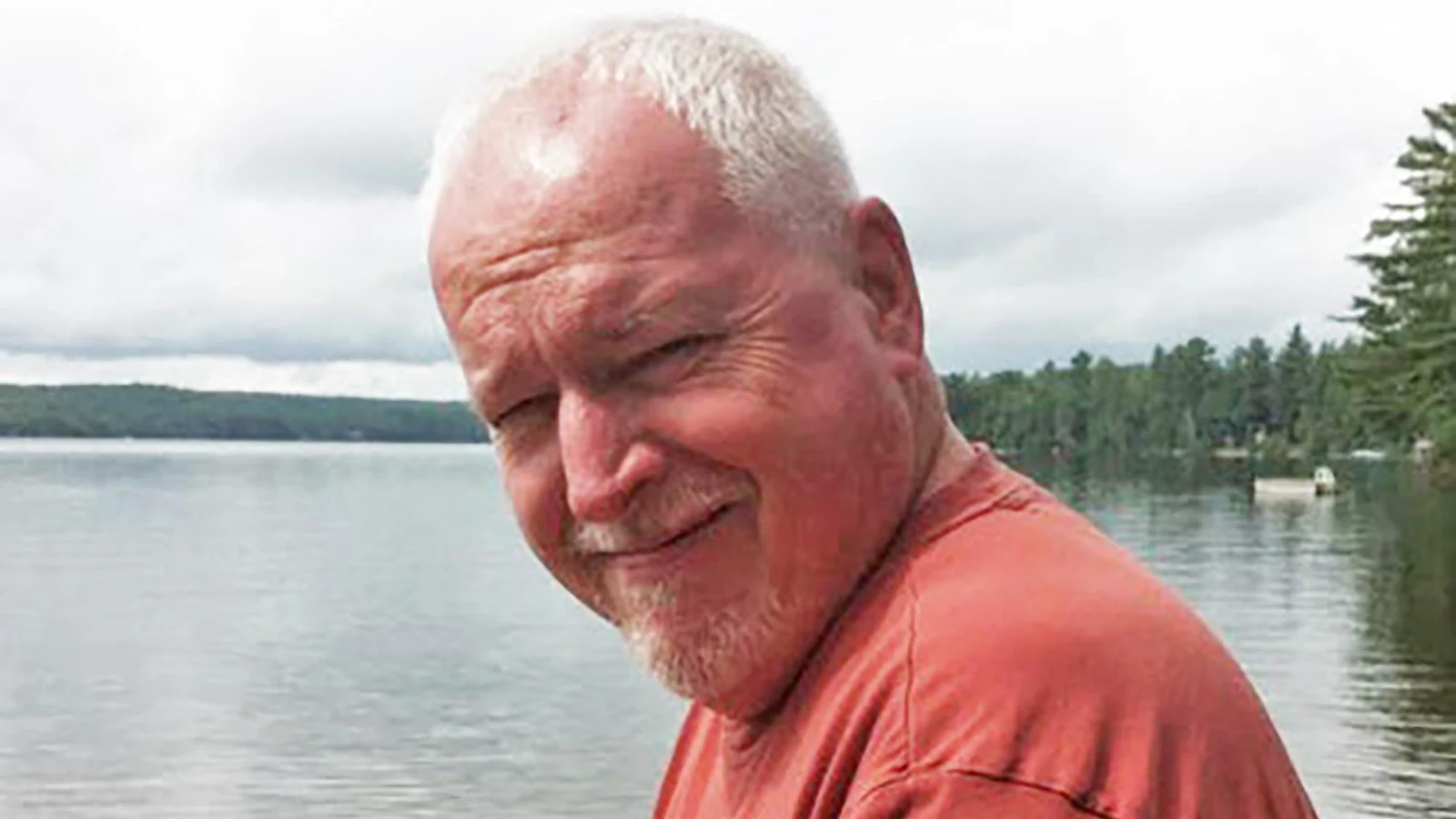
For months rumours had run through Toronto's Gay Village that the men vanishing from its streets were connected, and the police had said there was no proof of it. On January 18, 2018, Chief Mark Saunders stood before reporters and announced an arrest. Bruce McArthur, 66, a self-employed landscaper who lived in an apartment in Thorncliffe Park, on the city's east side, was charged with first-degree murder in the deaths of Andrew Kinsman and Selim Esen. "We've apprehended someone who has done tremendous harm to the city," Saunders said.
Neither man's body had been found. Esen, 44, was last seen in the Yonge and Bloor area in April 2017; Kinsman, 49, went missing from his Cabbagetown neighbourhood that June. Both places are a short walk from Church and Wellesley, the heart of the village, where missing posters for the two men had hung in shop windows all summer. In August police set up a task force, Project Prism, to look into their disappearances and to share information with Project Houston, an earlier inquiry into three other men who had vanished from the same streets in 2012. As late as December, investigators said there was no evidence of a serial killer at work.
Detective Sergeant Hank Idsinga went further than the two charges. "We believe he is responsible for the deaths of Mr. Esen and Mr. Kinsman, and we believe he is responsible for the deaths of other men who have yet to be identified," he said. "In other words, we believe there are other victims." Police had a "pretty good idea" how the two men died, he said, without saying more. McArthur, like both missing men, had been active on several dating apps, and he and Kinsman had been in a sexual relationship for "some time"; police did not know whether he had any relationship with Esen. That evening a forensics van sat outside McArthur's apartment building, and officers began searching other properties tied to him, four in Toronto and one in Madoc, in eastern Ontario.
Patricia Kinsman said police called a few hours before the news conference to tell her they believed they had found her brother's killer. As late as December 9 she and her sister Karen were still out searching, knowing by then that they were looking for a body. "All I could keep saying was 'oh my God, oh my God and thank you, you've done your job,'" she said. Nicole Borthwick, who had volunteered with Kinsman at a food bank and helped organize the searches for him, said she was relieved, but that complete closure would not come until he was found. Nicki Ward, director of the Church-Wellesley Neighbourhood Association, said it had taken the community pushing "very hard" to get here. Saunders answered that his December statement had been accurate at the time, and that the arrest came from the community "continually talking to us."
What this story covers. It draws on CBC News's report of January 18, 2018, the day of the arrest, when McArthur was charged with two murders and had not been tried. The charges grew to eight first-degree murders over the following months. He pleaded guilty to all eight a year later and was sentenced to life in prison in February 2019.
Sources
- Bruce McArthur charged with 1st-degree murders of 2 men who disappeared from Toronto's Gay Village, CBC News
Related News
- February 8, 2019: Bruce McArthur Sentenced to Life for the Murders of Eight Men From Toronto's Gay Village