Texas Executes Anthony Shore, Houston's Tourniquet Killer
Shore, who confessed to strangling a young woman and three girls between 1986 and 1995, was the first person executed in the United States in 2018.
Published
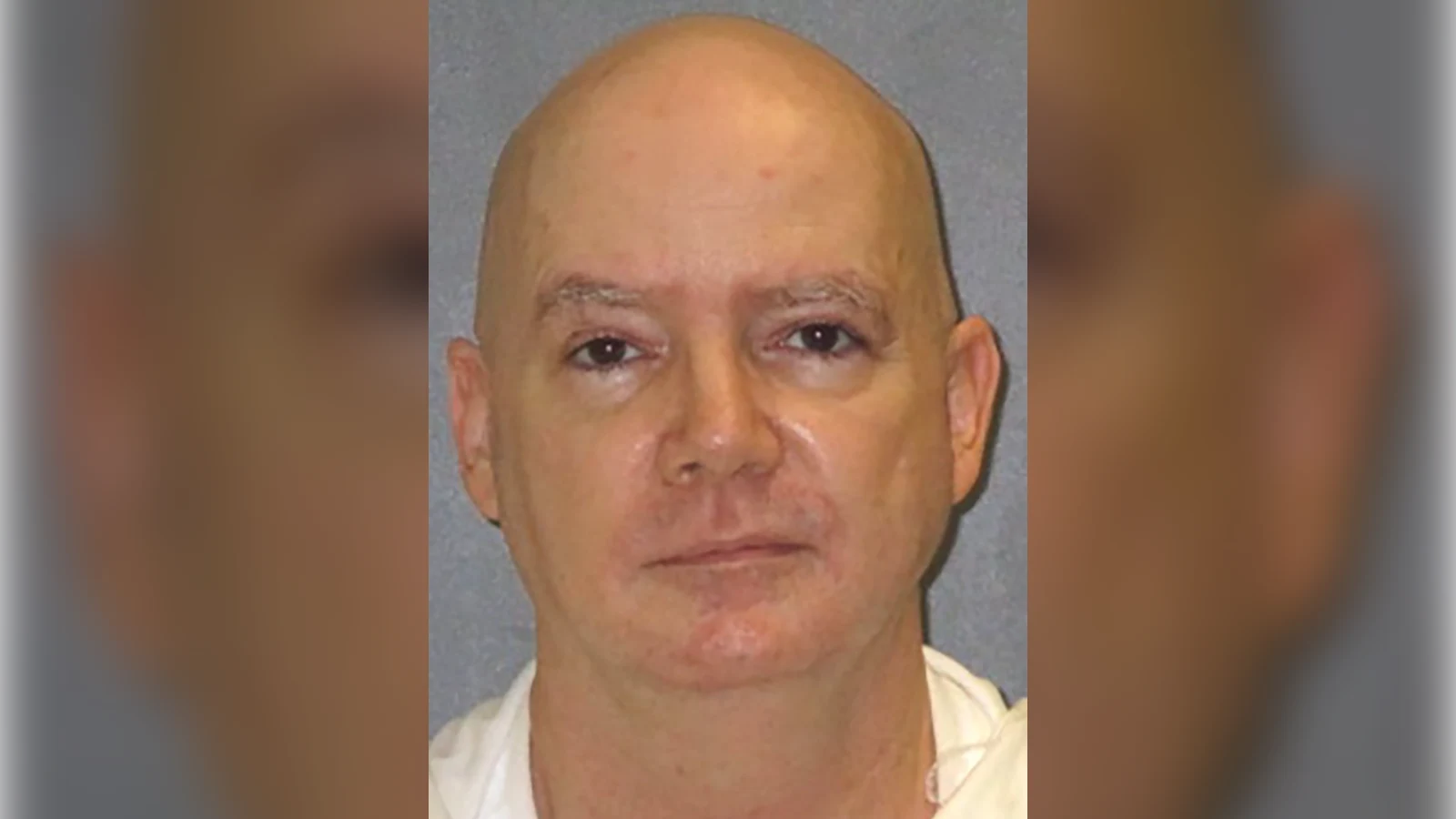
Anthony Allen Shore was strapped to the gurney in the death chamber at Huntsville on the evening of January 18, 2018, more than thirteen years after he arrived on Texas death row. Before the drugs began he spoke to the families of the girls and the young woman he had strangled. "No amount of words or apology could ever undo what I've done," he said. The lethal dose of pentobarbital was injected at 6:15 p.m. As it took hold he called out, "Oooh-ee! I can feel that." Thirteen minutes after the injection began, at 6:28 p.m., he was pronounced dead. He was 55, and his was the first execution in the United States that year.
Houston had called him the Tourniquet Killer, for the cord he looped around his victims' necks and twisted tight with a stick. He died for one of those murders. Maria del Carmen Estrada, 21, was walking to work at about 6:30 on the morning of April 16, 1992, when he took her. For eleven years the case had no name attached to it, until skin recovered from under her fingernail was matched to a DNA sample Shore had given as a condition of the probation he was given in 1998 for an earlier sex offense. He was arrested in October 2003, and in a long night in a Houston police interview room he confessed to Estrada's murder and to three more: Laurie Tremblay, a schoolgirl whose age is fourteen in the court record and fifteen in most press accounts, killed in 1986; Diana Rebollar, 9, snatched on her way to a neighborhood grocery in 1994; and Dana Sanchez, 16, who was hitchhiking in 1995 when he picked her up. A girl of fourteen he attacked in 1993 survived. He was convicted of capital murder in 2004.
His lawyers argued that brain damage should spare him, and lost at every level: the Fifth Circuit, the Supreme Court, which declined to take the case, and the Texas Board of Pardons and Paroles, which voted unanimously against clemency. There were no last-minute appeals. The date had already been moved once. Shore was due to die on October 18, 2017, but the execution was reset after the Montgomery County district attorney, Brett Ligon, said Shore planned to confess falsely to the 1998 murder of Melissa Trotter, the killing for which Larry Swearingen was on death row, to help the other inmate's case. "We knew that was not true," Ligon said. Investigators were satisfied that Shore had no part in Trotter's death or in any of the other open cases they had looked at.
It was the first execution under the Harris County district attorney Kim Ogg, who had worked the unsolved Estrada case as a young prosecutor and who set the new date. She called Shore one of the "worst of the worst," and said the evidence had satisfied all doubts about his guilt.
What this story covers. It draws on the Associated Press report carried by CBS News on January 19, 2018, and on The Texas Tribune's report of January 18, with Shore's last statement and the dates of his death row record from the Texas Department of Criminal Justice. The count of four murders is Shore's own, confirmed by the evidence in each case; Tremblay's age differs between the court record and the press, and both are given.
Sources
- Texas "Tourniquet Killer" put to death in first execution of 2018, CBS News (Associated Press)
- Texas executes Houston serial killer Anthony Shore, The Texas Tribune
- Last Statement: Anthony Allen Shore, Texas Department of Criminal Justice