Anthony Allen Shore, Houston's "Tourniquet Killer," Is Sent to Death Row for the 1992 Murder of Maria Estrada
DNA from under Estrada's fingernail led to Shore's arrest more than a decade after her death. He confessed to killing her and three girls.
Published
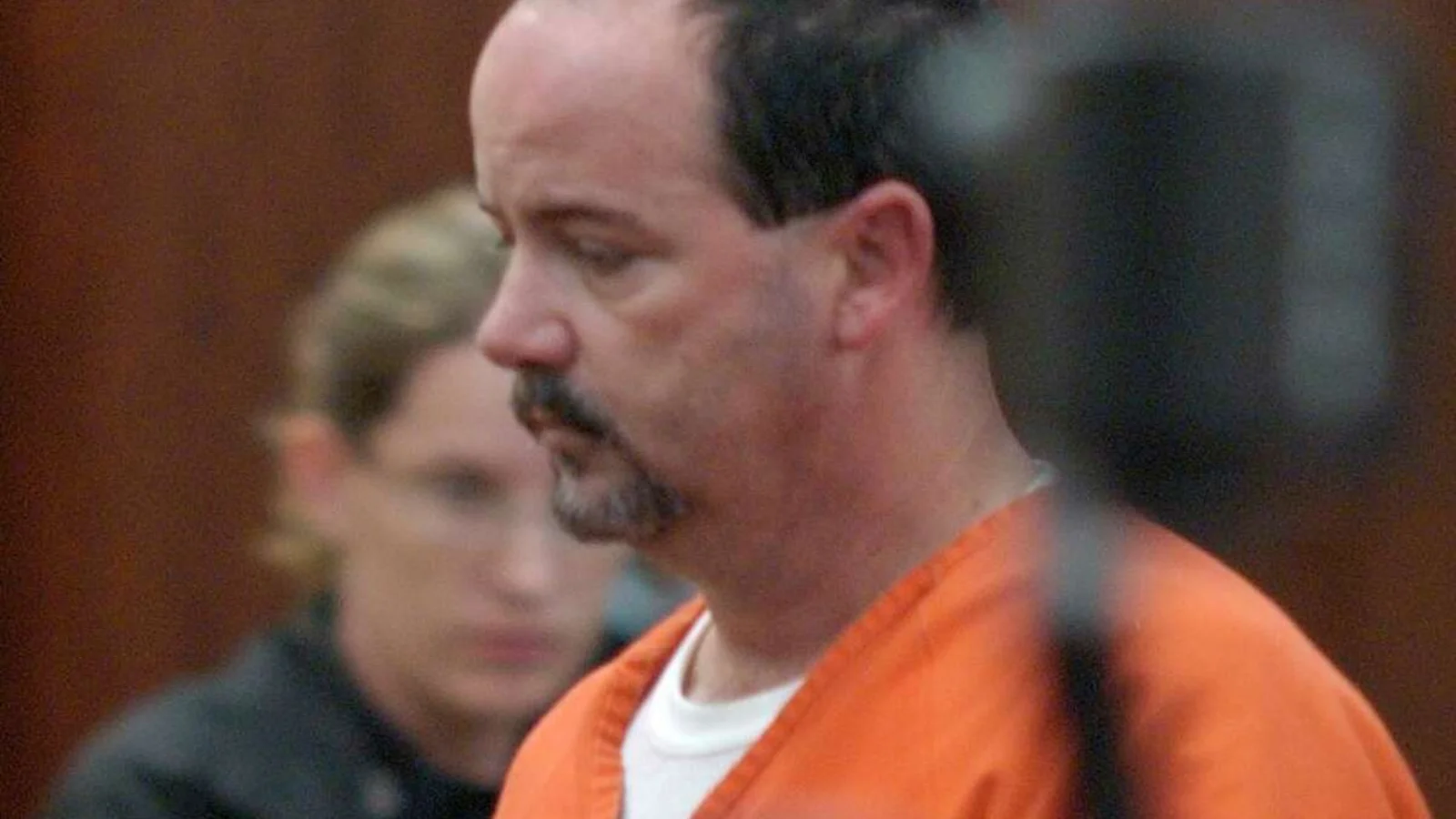
For more than a decade, the 1992 killing of Maria del Carmen Estrada went unsolved. In November 2004, the man whose DNA was found under her fingernail arrived on Texas death row.
Anthony Allen Shore, 42, was received on death row on November 15, 2004, after a Harris County jury convicted him of capital murder in Estrada's death and recommended the death penalty. Estrada, 21, disappeared as she walked to work early on April 16, 1992, and her body was found behind a Houston Dairy Queen. A particle from under her fingernail matched Shore's DNA, which had been added to a state database after he was convicted of sexually assaulting two relatives in 1998. He was arrested in 2003. "I didn't set out to kill her," he told police in a taped interview played at his trial.
After his arrest Shore confessed to killing Estrada and three girls: Laurie Tremblay, 15, in 1986; Diana Rebollar, 9, in 1994; and Dana Sanchez, 16, in 1995. Only the Estrada killing was tried, but before recommending death the jury heard four days of prosecution evidence on the other three slayings and testimony from three women who said Shore had raped them. The Harris County District Attorney's office called him the "Tourniquet Killer."
Shore's later appeals argued that brain damage had affected his decision to tell his trial judge, against his lawyers' advice, that he wanted the death penalty. The appeals failed, and Texas executed him by lethal injection in Huntsville on January 18, 2018. "No amount of words or apology could ever undo what I've done," he said in his final statement.
The Associated Press and the Texas prison system gave Laurie Tremblay's age as 15, while ABC13 Houston said she was 14.
Sources
- Death Row Information: Shore, Anthony, Texas Department of Criminal Justice
- 'Tourniquet Killer' set to be executed in Texas, Fox News (Associated Press)
- Texas 'Tourniquet Killer' put to death in first execution of 2018, CBS News (Associated Press)
- Looking back at Tourniquet Killer's reign of terror, ABC13 Houston
Related News
- January 18, 2018: Texas Executes Anthony Shore, Houston's Tourniquet Killer