Walter Ellis Unexpectedly Pleads No Contest to Killing Seven Milwaukee Women Over 21 Years
The plea brought automatic convictions and mandatory life terms. A week later the judge ordered seven consecutive life sentences with no chance of parole.
Published
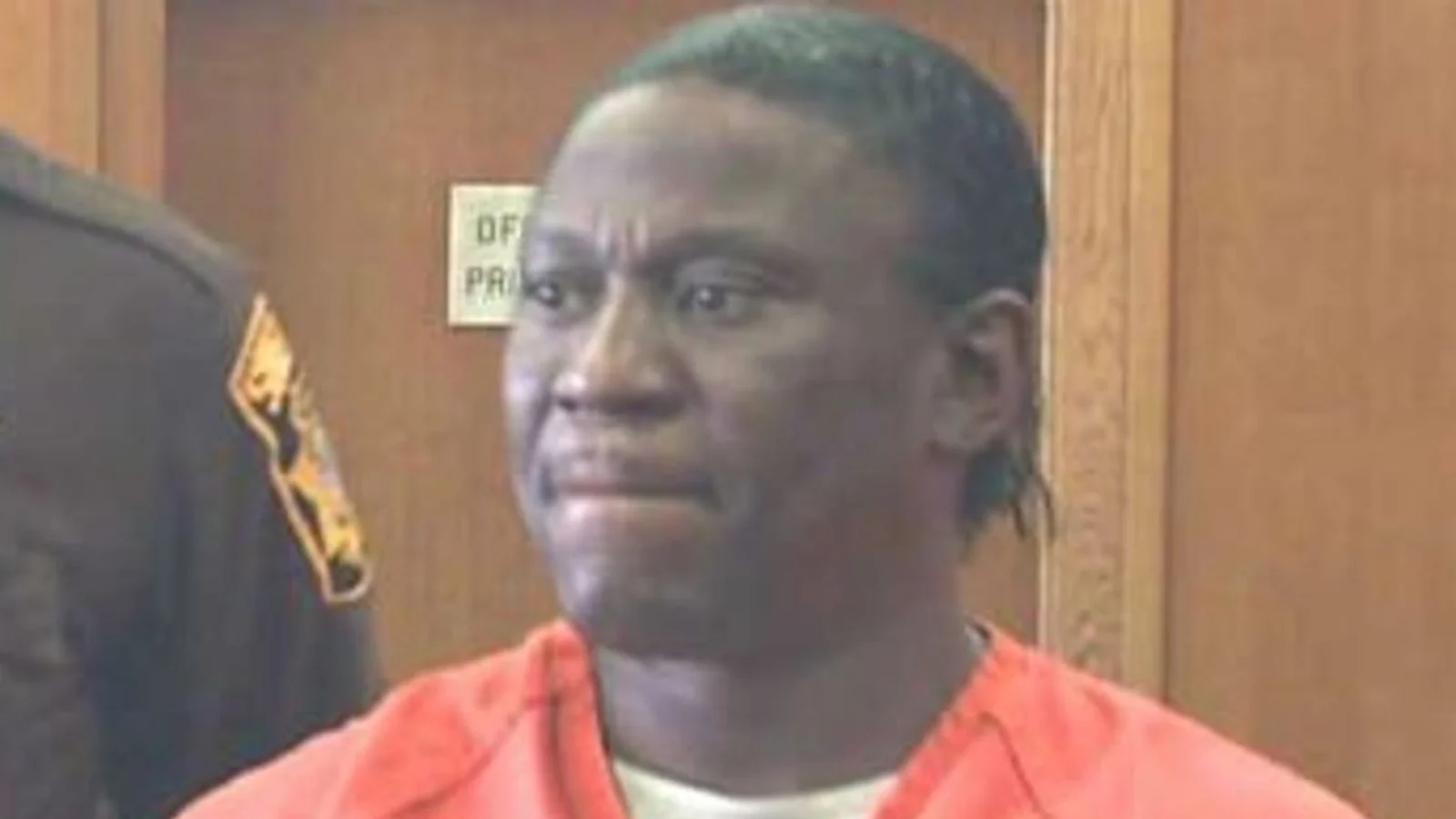
Walter Ellis was charged in 2009 with killing seven women in Milwaukee over 21 years. On February 18, 2011, he unexpectedly pleaded no contest to all seven killings.
Ellis, 50, appeared shackled and in a wheelchair at a motion hearing in Milwaukee County Circuit Court. He had pleaded not guilty, later said he would change his plea, then changed his mind after the victims' relatives had gathered in court. Judge Dennis Cimpl convicted him on five counts of first-degree intentional homicide and two of first-degree murder. The no-contest plea carried the same mandatory life sentence as a guilty plea, but Ellis did not admit guilt. "His punishment is still going to be the same," said Terry Williams, whose sister, Joyce Mims, was killed in 1997.
On February 24, Cimpl sentenced Ellis to seven consecutive life terms with no chance of parole, saying the one factor in his favor, sparing the families a trial, was "a feather against thousands of pounds of bad things." Ellis declined to speak. He had been arrested in 2009 after his DNA was matched to evidence from the killings; his DNA had been missing from the state database because, authorities said, he persuaded a fellow inmate to give a sample in his place. Another man, William Avery, had been wrongly convicted in a killing later linked to Ellis by DNA and was freed in 2010. Ellis died in 2013.
The National Registry of Exonerations described all seven women as prostitutes, while the Associated Press reported that some of their families disputed investigators' view that they were.
Sources
- Walter Ellis Pleads No Contest To 7 Murder Charges, NewsOne (Associated Press)
- Wis. serial killer Walter Ellis sentenced to life in slayings of 7 women, CBS News (AP)
- Wisconsin man gets life in slayings of 7 women, TheGrio (Associated Press)
- Wis. serial killer dies in South Dakota, CBS News (AP)
- William Avery, National Registry of Exonerations
Related News
- September 7, 2009: Milwaukee Police Arrest Walter Ellis, Saying His DNA Links Him to Nine Women Killed on the North Side Since 1986
- December 1, 2013: Walter Ellis, Milwaukee's North Side Strangler, Dies in a South Dakota Hospital While Serving Life for Seven Murders