Idaho Calls Off Thomas Creech's Execution After the Medical Team Cannot Set an IV Line
After eight attempts, by the prison director's count, Idaho stood down the lethal injection of Thomas Creech, 73, and let his death warrant expire at midnight.
Published
At 10 a.m. on Wednesday, February 28, 2024, the witnesses were seated in the viewing area of the execution chamber at the Idaho Maximum Security Institution, south of Boise, and the state expected to begin the execution of Thomas Eugene Creech at any moment. An hour later it was over, and Creech was still alive. At about 11, Idaho Department of Correction Director Josh Tewalt, after consulting with the leader of the medical team, determined that the team could not establish an IV line, "rendering the execution unable to proceed." Creech, 73, was taken back to his cell, and his death warrant was left to expire at 11:59 that night.
It would have been Idaho's first execution since Richard Leavitt was put to death in June 2012. Creech, the longest-serving prisoner on Idaho's death row, was sentenced to die for the 1981 killing of David Jensen, a fellow inmate, in Ada County. According to the governor's office, he had also been convicted of killing four other people, and he was suspected in more deaths. His last appeals ran out that morning: at 8:34 a.m., the department reported, the U.S. Supreme Court issued orders denying his pending applications for a stay and his petitions in the three cases still open.
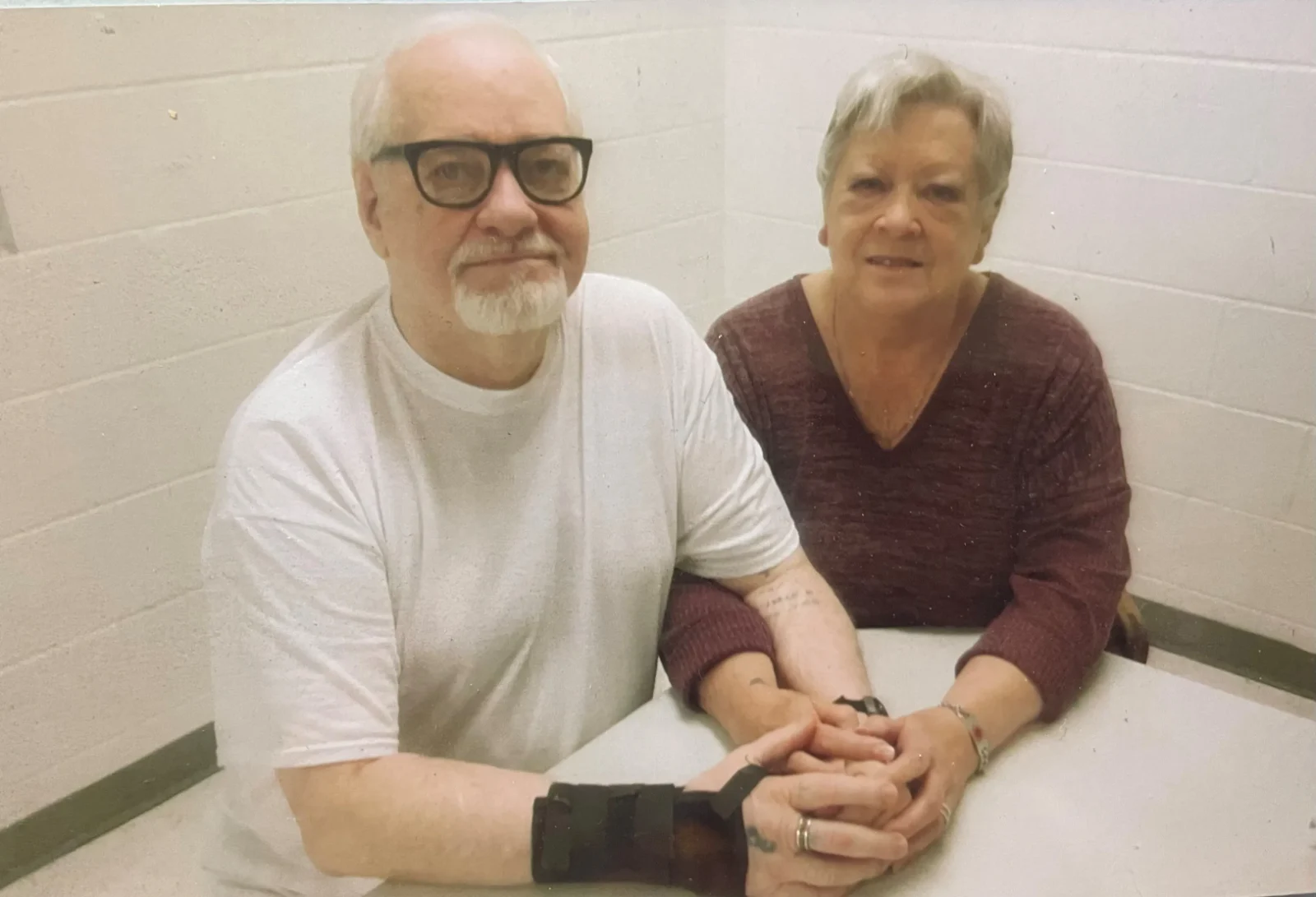
The night before, Creech had visited with his wife through the evening and eaten a last meal of fried chicken, mashed potatoes with gravy, corn, rolls and ice cream. His religious adviser spent an hour with him early Wednesday. Prison officials described him as cooperative in the days before the execution.
Tewalt told reporters afterward that the medical team had assessed Creech that morning and was confident it could reach his veins. In the chamber, he said, "the team attempted eight times through multiple limbs and appendages to establish IV access." Sometimes the team could not get access at all; at other times it found a vein but ran into what Tewalt called a vein quality issue, which left the team unsure it could deliver the chemicals through the site. Media witnesses also reported seeing eight attempts.
Creech's lawyers at Federal Defender Services of Idaho put the number higher, saying the team tried and failed 10 times to reach veins in both his arms and both legs. "We are angered but not surprised that the State of Idaho botched the execution of Thomas Creech today," they said in a written statement.
Tewalt rejected the word. "While the execution of Thomas Eugene Creech did not proceed, the process worked as intended," he wrote to his staff that afternoon, adding that some were calling the day a failure but "the opposite is true." Governor Brad Little said the team had prepared for exactly this possibility. "The competent and qualified medical professionals present and IDOC officials were cautious and did the right thing in not moving forward with the execution," he said.
What came next was unclear. Tewalt said the department had no plan yet to proceed in Creech's case. A 2023 state law had added the firing squad as a backup method when lethal injection is unavailable, but the facility it requires had not been built, and in his message to staff Tewalt said contractors had been unwilling to take on the work of retrofitting the state's execution chamber. "The State will consider next steps," the department said.
The number of attempts to place the IV line differs by source. Tewalt and the media witnesses who spoke afterward put it at eight; Creech's defense lawyers said 10.
Sources
- Execution updates, Idaho Department of Correction
- Idaho stops execution of serial killer Thomas Creech after officials can't set an IV line, CNN
- Idaho Department of Correction unable to move forward with scheduled execution of Thomas Creech, Idaho Capital Sun (Clark Corbin)