Dennis Nilsen, the Muswell Hill Murderer, Dies in HMP Full Sutton at 72
Convicted in 1983 of six murders and believed to have killed as many as 15 young men, Nilsen died 34 years into a whole-life sentence.
Published
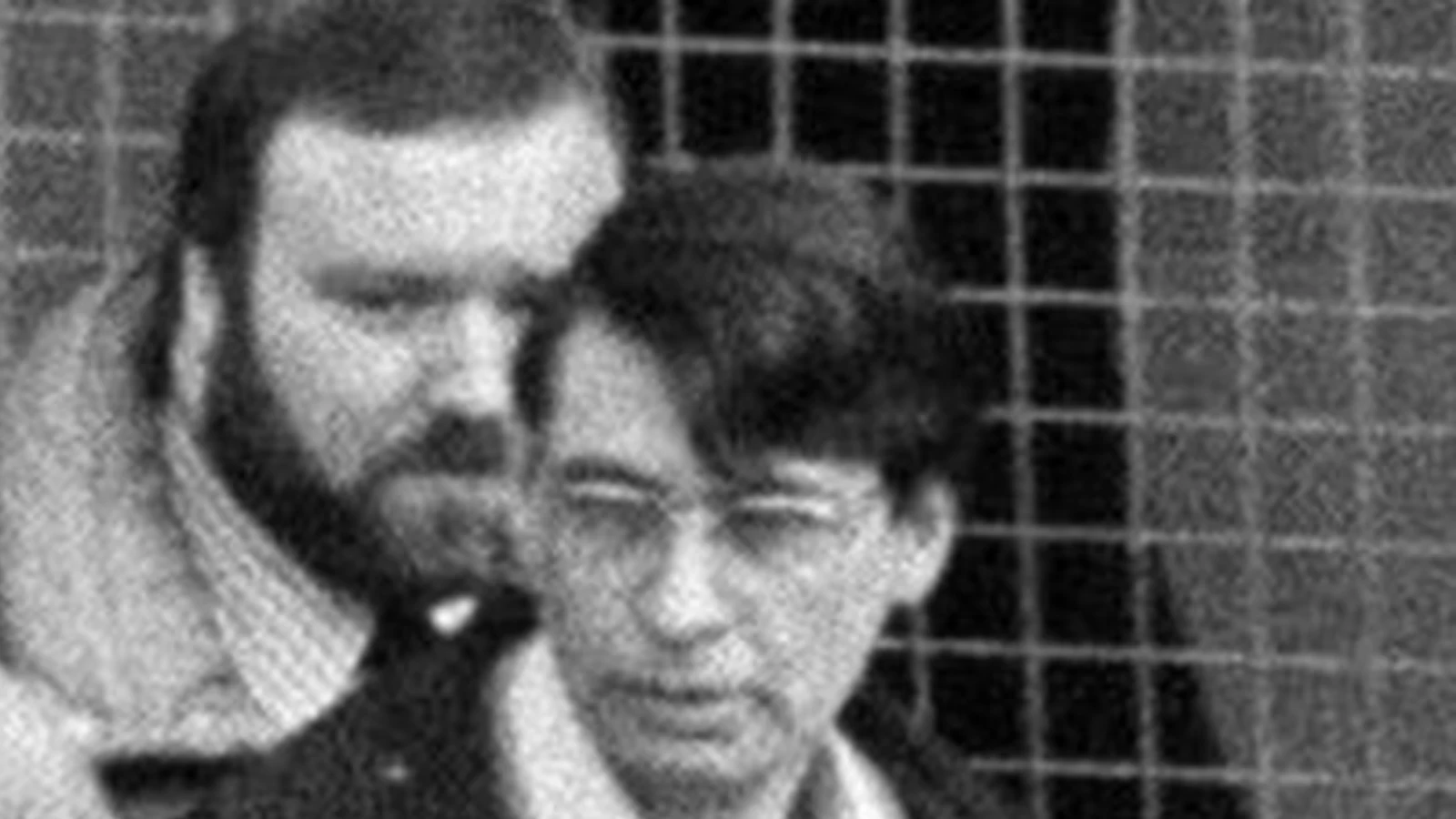
Dennis Nilsen died in a cell in Yorkshire, thirty-four years into a life sentence. The Prison Service confirmed that he died in custody at HMP Full Sutton on Saturday, May 12, 2018. He was 72, and his death was believed to be from natural causes. "As with all deaths in custody," a spokesman said, "there will be an independent investigation by the Prisons and Probation Ombudsman."
His crimes surfaced by accident. In February 1983 a drain outside his home on Cranley Gardens, Muswell Hill, in north London, became blocked, and what was blocking it was human remains he had tried to flush away. He had been killing young men since the late 1970s, befriending many of them in London pubs and bars and inviting them back to his flat. He is believed to have killed as many as 15, most of them homeless. Many were strangled. He kept bodies for days, sometimes for months, under floorboards and in cupboards, before he cut them up.
In 1983 he was convicted of six murders and two attempted murders and jailed for life with a recommended minimum of 25 years. The sentence was later made a whole-life term, meaning he would never be released, and he never was. In a television interview aired in 1993 he described dressing and undressing the bodies and said he still felt a "spiritual communion" with them.
The house on Cranley Gardens is still lived in.
What this story covers. It reports the Prison Service statement as ITV News carried it on May 12, 2018; the Prisons and Probation Ombudsman's report on his death was not found. The cause of death was only believed to be natural at the time. The number of men he killed has never been settled: he was convicted of six murders, and the figure of up to 15 rests on his own accounts and the police investigation.
Sources
In the Archive
- Dennis Andrew Nilsen
- DENNIS NILSEN: THE MUSWELL HILL MURDERER
- KILLING FOR CONTACT DENNIS NILSEN
- PATRICK DAVID MACKAY: THE AXEMAN
- SERIAL KILLERS WITH MILITARY SERVICE
- TWELVE CASES WHERE THE DEAD ARE STILL NAMELESS
- NECROPHILIA: DESIRING THE DEAD
- SERIAL KILLER COINCIDENTAL CATCHINGS
- SERIAL KILLER METHODS OF DISPOSAL
- SERIAL KILLER QUOTES
- SERIAL KILLERS AND ASTROLOGY
- SERIAL KILLERS AND HIDING BODIES