Gao Chengyong Goes on Trial Behind Closed Doors in Gansu Over the Killings of 11 Women and Girls
The Baiyin court shut out the public, citing the cruelty of the killings, as the 52-year-old faced charges of murder, rape, robbery and corpse mutilation.
Published
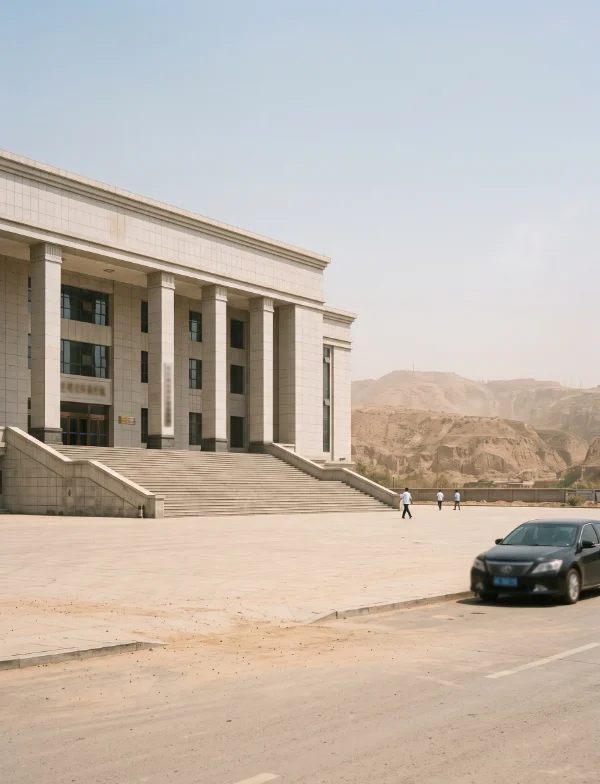
For nearly three decades the killings in Gansu province had no name attached to them. On Tuesday, July 18, 2017, they had a defendant. Gao Chengyong, 52, went on trial at the Baiyin Intermediate People's Court, accused of murder, rape, robbery and the mutilation of a corpse, and the public was kept out of the courtroom.
Prosecutors said before the hearing that Gao had confessed to a number of crimes, among them the killings of 10 women and an 8-year-old girl in Gansu and the Inner Mongolia autonomous region between May 1988 and February 2002. He had come under suspicion the year before, when Baiyin police found evidence, including DNA, that pointed to him. In preliminary interrogations, police said, he confessed but gave no motive.
The court explained the closed doors at a news conference in Baiyin the day before the trial. Chinese law makes transparency the basic principle of a hearing, the judicial official Teng Wenxiang said, with exceptions for state secrets and privacy. "This case involves several female victims, and the way they were killed was cruel. Considering these factors, we decided not to hear it publicly," he said. He also answered the question of why the trial had come almost a year after the arrest. "The case is complicated, as the killings took place from the 1980s to the 2000s, and the defendant is accused of multiple offenses," he said. The court had announced the prosecution on May 2 and posted the time and place of the hearing on Sina Weibo.
Teng expected the hearing to last two and a half days, depending on whether Gao pleaded guilty. By 6 p.m. on the first day the court had issued no statement, and it was not known how Gao had answered the charges. His lawyer, Zhu Aimin, could not be reached; his cellphone was switched off. "The judgment is expected at a later date," Teng said. Under Chinese law, homicide, robbery and rape can each carry a death sentence.
The judgment came in March 2018, when the court sentenced Gao to death. He was executed in January 2019.
What this story covers. It is based on China Daily's report of July 19, 2017, written while the hearing was under way and before any verdict. What Gao is said to have confessed comes from prosecutors and police and was an allegation at the time. The victims are not named in that report and are not named here. The picture is an illustration, not the Baiyin court.
Sources
- Accused serial killer stands trial, China Daily
Related News
- August 27, 2016: Police in Gansu Arrest Gao Chengyong After a 28-Year Hunt for the Baiyin Killer
- March 30, 2018: Chinese Court Sentences Gao Chengyong to Death for Killing 11 Women and Girls
- January 3, 2019: China Executes Gao Chengyong for the Murders of 11 Women and Girls in Gansu and Inner Mongolia