Former Ontario Nurse Elizabeth Wettlaufer Pleads Guilty to Murdering Eight Care-Home Residents
She admitted using insulin in all 14 cases against her, and the court heard her taped confession: "I honestly thought God wanted to use me."
Published
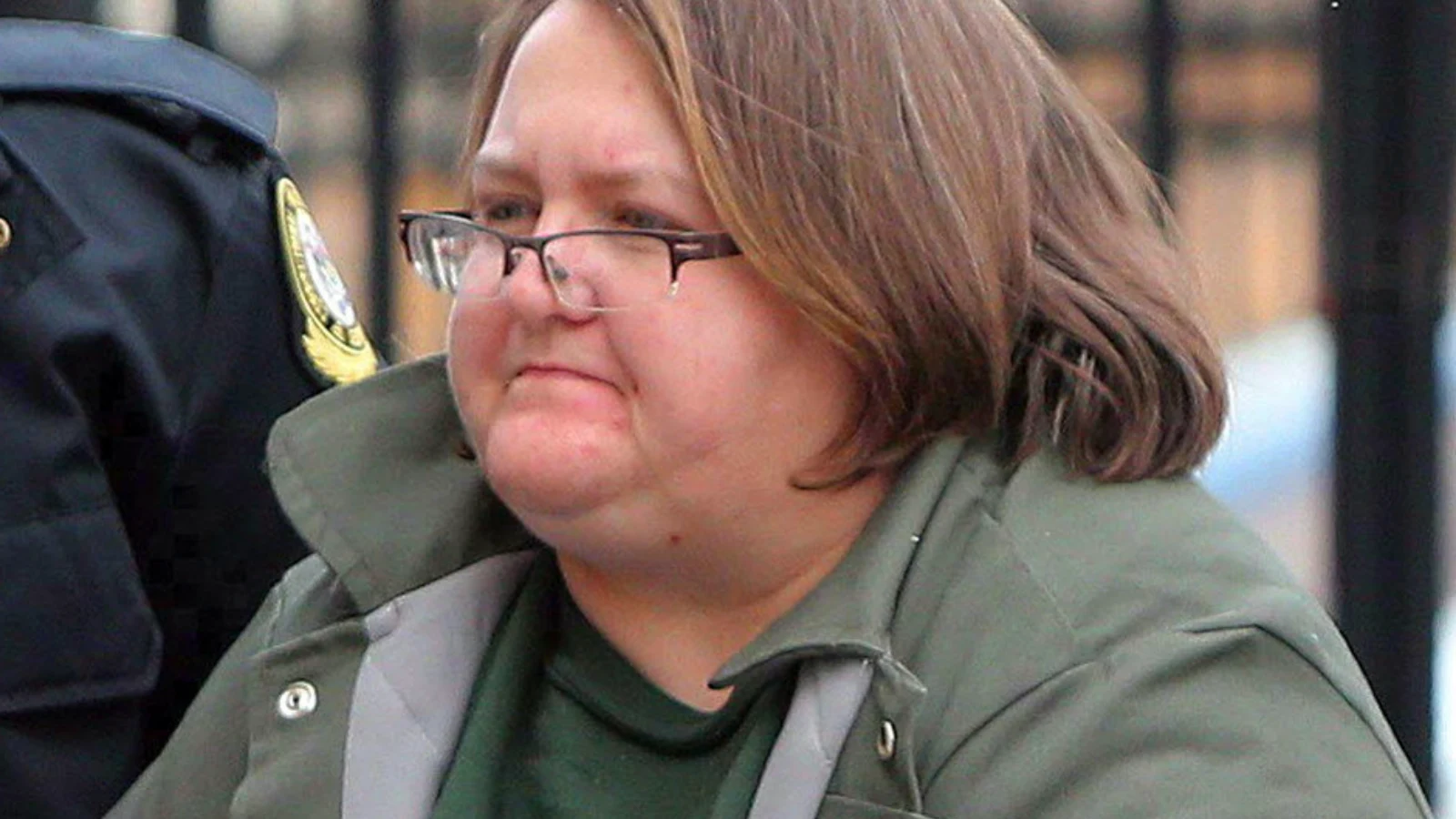
"You realize that first-degree murder is punishable with life in prison?" Justice Bruce Thomas asked.
"Yes, your honour," Elizabeth Wettlaufer answered.
On Thursday, June 1, 2017, in Superior Court in Woodstock, Ontario, the former registered nurse, 49, pleaded guilty to every charge against her: eight counts of first-degree murder, four of attempted murder and two of aggravated assault. Under questioning from the judge she acknowledged that she had used insulin in all 14 cases, and she confirmed that she had not been intoxicated by drugs or alcohol when she injected her victims.
The eight people she admitted killing were residents of long-term care homes in southwestern Ontario. Seven lived at Caressant Care in Woodstock: James Silcox, 84, in August 2007; Maurice Granat, 84, that December; Gladys Millard, 87, Helen Matheson, 95, and Mary Zurawinski, 96, within a few weeks of one another in the fall of 2011; Helen Young, 90, in July 2013; and Maureen Pickering, 79, in March 2014. The eighth, Arpad Horvath, 75, died in August 2014 at Meadow Park in London.
Reading from a 56-page agreed statement of facts, Crown prosecutor Andre Rajna said Wettlaufer had felt "overwhelmingly angry about her career and life in general." She worked night shifts without supervision, with plenty of insulin within reach, and she deliberately kept her doses out of the records so that no one would grow suspicious. She had not known how much it would take to kill. "It was hit or miss," she told investigators.
The court then heard her own voice. In an almost three-hour taped confession to police, played in the courtroom, she described killing her first victim, James Silcox, at Caressant Care. "It was his time to go because of the way he acted," she said, and afterward it felt as though pressure had been relieved from her emotions. "I honestly thought God wanted to use me," she told police. After injecting another victim she had what she called "a laughing feeling," and the next day she left on a Caribbean cruise.
Some family members broke down as the evidence was read; others left the room to compose themselves. Susan Horvath, whose father was among the dead, called Wettlaufer a monster. "It tore me apart. Tore me apart to hear how she killed my dad," she said outside court. "And she's sitting there, no expression on her face." She said she could not forgive her, and she asked for better oversight of the province's long-term care homes. "I don't want my dad's death, and everybody's death, to just be wasted," she said. "Let's make a change."
A first-degree murder conviction in Canada carries an automatic life sentence with no chance of parole for 25 years, and on June 26, 2017, that was the sentence Wettlaufer received. The same day, the Ontario government announced a public inquiry into how she had gone undetected for so long. Its report, two years later, found that the killings would not have come to light at all without her own confession.
What this story covers. The account of the June 1 hearing comes from Radio Canada International's report that day, compiled with files from CBC News and The Canadian Press. The names, ages and dates of the eight victims come from The Canadian Press chronology published by Global News, and the later sentence, inquiry and its finding from the Ontario inquiry's final report. Wettlaufer's statements are quoted from the confession played in court; the six people she admitted trying to kill or harming are not named here. The photograph shows her outside court in 2017; its exact date is not recorded.
Sources
- Former nurse pleads guilty to killing 8 elderly patients, Radio Canada International
- Timeline of events in case of former Ontario nurse, serial killer Elizabeth Wettlaufer, Global News (The Canadian Press)
- Public Inquiry into the Safety and Security of Residents in the Long-Term Care Homes System, Volume 1, Government of Ontario (Commissioner Eileen E. Gillese)
Related News
- October 25, 2016: Ontario Nurse Elizabeth Wettlaufer Charged With Murdering Eight Care-Home Residents
- July 31, 2019: Wettlaufer Inquiry Finds Ontario's Care Homes Never Caught a Killer Nurse