Supreme Court of India Halts Surender Koli's Hanging in a 1 a.m. Order
His lawyers said the Nithari case death warrant could be carried out at 5:30 that morning; two judges stayed it for a week. He was acquitted in 2025.
Published
The application reached the judges at one in the morning. It was Monday, September 8, 2014, and Surender Koli's lawyers told the Supreme Court of India that the death warrant against him might be carried out at 5:30 that same morning. Justice H.L. Dattu took the matter up at his residence, sitting with Justice Anil R. Dave. Their order ran to a few lines. "Considering the urgency of the matter, we stay the execution of the death sentence of the applicant/petitioner for a period of one week from today. Call the matter next week."
Koli, a domestic servant, had worked and lived in the house in Nithari, a village absorbed into Noida on the edge of Delhi, where the remains of children and young women were found buried nearby in late 2006. His employer, Moninder Singh Pandher, owned the house. The case that brought Koli to the gallows was the murder of Rimpa Haldar, 14, whose disappearance had opened the inquiry. A trial court sentenced both men to death for her killing; the Allahabad High Court acquitted Pandher and upheld Koli's sentence, and the Supreme Court confirmed it on February 15, 2011. He had been sentenced to death in four other Nithari cases, and charge sheets had been filed against him in sixteen.
By the late summer of 2014 the ordinary routes were closed. The Supreme Court had rejected his review petition in chambers on July 24, the President had rejected his mercy petition three days later, and a death warrant had been issued. What his lawyers had left was a judgment only six days old. On September 2 a Constitution Bench had ruled in the case of Mohd. Arif, and Koli's application relied on its observations to ask the court to recall and review the July order.
The stay bought him a week, and then more. The court extended it and listed the review for a hearing in open court. On October 28, 2014, a bench led by Dattu, by then Chief Justice, dismissed the review and lifted the stay. The rope had only been put off. In the years that followed, the cases against him came apart one by one, and in November 2025 the Supreme Court set aside the Haldar conviction it had upheld in 2011.
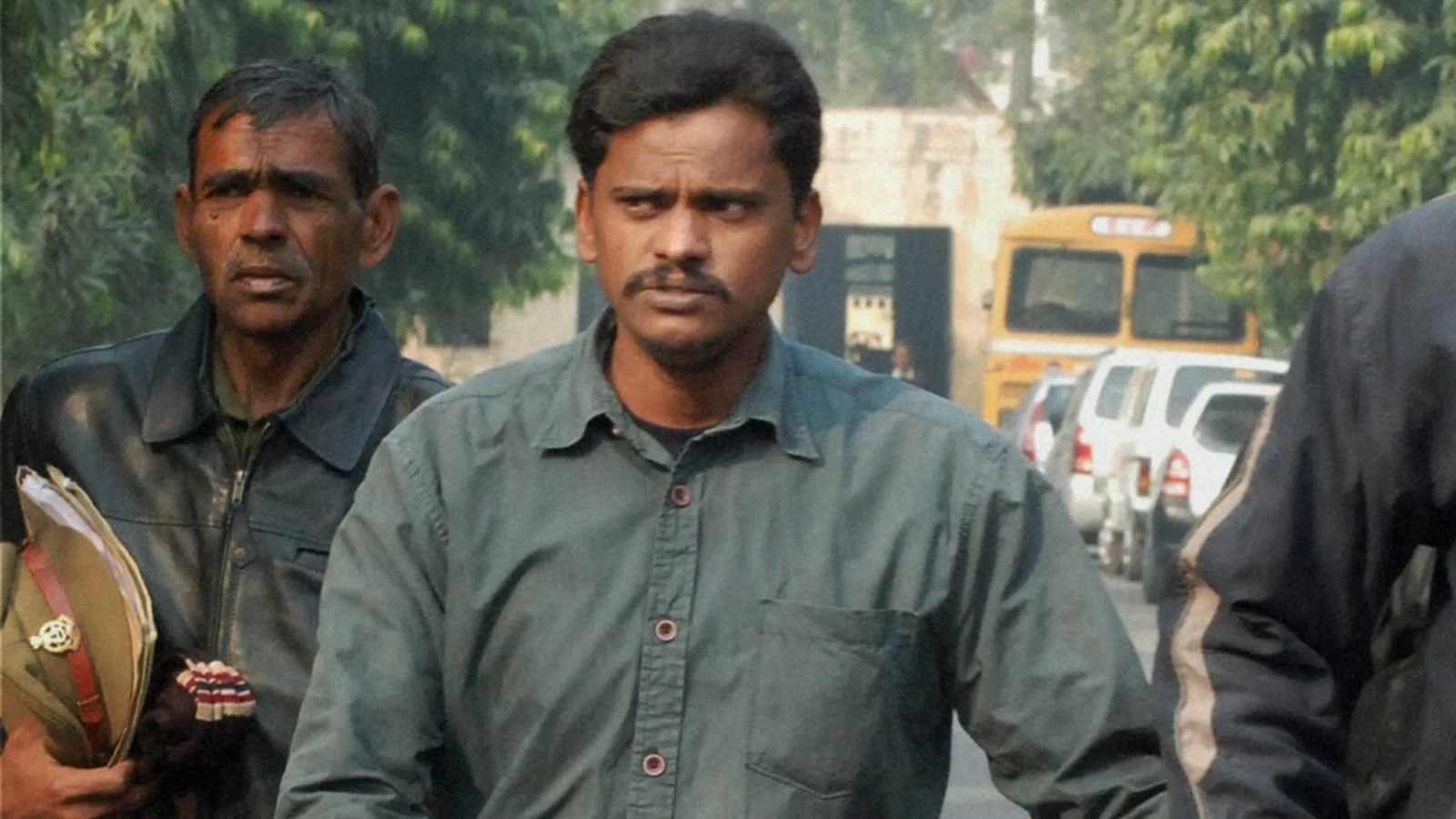
What this story covers. The timing of the hearing, the bench, the warrant time stated in the application and the words of the order come from the Supreme Court's record of proceedings of September 8, 2014 (Review Petition (Crl.) No. 395 of 2014), as published by Indian Kanoon. The background to the warrant, including the February 15, 2011 ruling, the July 27, 2014 rejection of the mercy petition and the number of cases, comes from SCC Online's report of the same day, which credits the Press Trust of India; the court's name spells him Surendra and the report Surinder. Some press accounts gave a later date for the scheduled hanging; the stay was sought because the application said it could take place that morning. Koli is no longer convicted of any Nithari killing. In January 2015 the Allahabad High Court commuted his death sentence to life imprisonment because of the delay in deciding his mercy petition; it acquitted him in twelve other cases on October 16, 2023, as our later story records; and on November 11, 2025 the Supreme Court acquitted him in the Haldar case, holding that his confession had not been voluntary. He was released the next day. He died in September 2026. Nothing here should be read as a finding that he killed anyone. The photograph shows Koli under police escort on an earlier court day, not on September 8, 2014.
Sources
- Surendrra Koli vs State of U.P., record of proceedings and order of 8 September 2014 (Crl.M.P. in R.P.(Crl.) No. 395/2014 in Crl.A. No. 2227/2010), Supreme Court of India (as published by Indian Kanoon)
- Death warrant against Surinder Koli, convict in the infernal Nithari Killings case, stayed, SCC Online Blog (SCC Times), crediting the Press Trust of India
Related News
- October 16, 2023: High Court Overturns Surendra Koli's Death Sentences in 12 Nithari Cases and Acquits Moninder Singh Pandher