World's End Murders Trial Collapses as Judge Rules the Case Against Angus Sinclair Too Weak
Sinclair was accused of the 1977 killings of Christine Eadie and Helen Scott, both 17. After a change in Scotland's double jeopardy law, he was retried and convicted in 2014.
Published
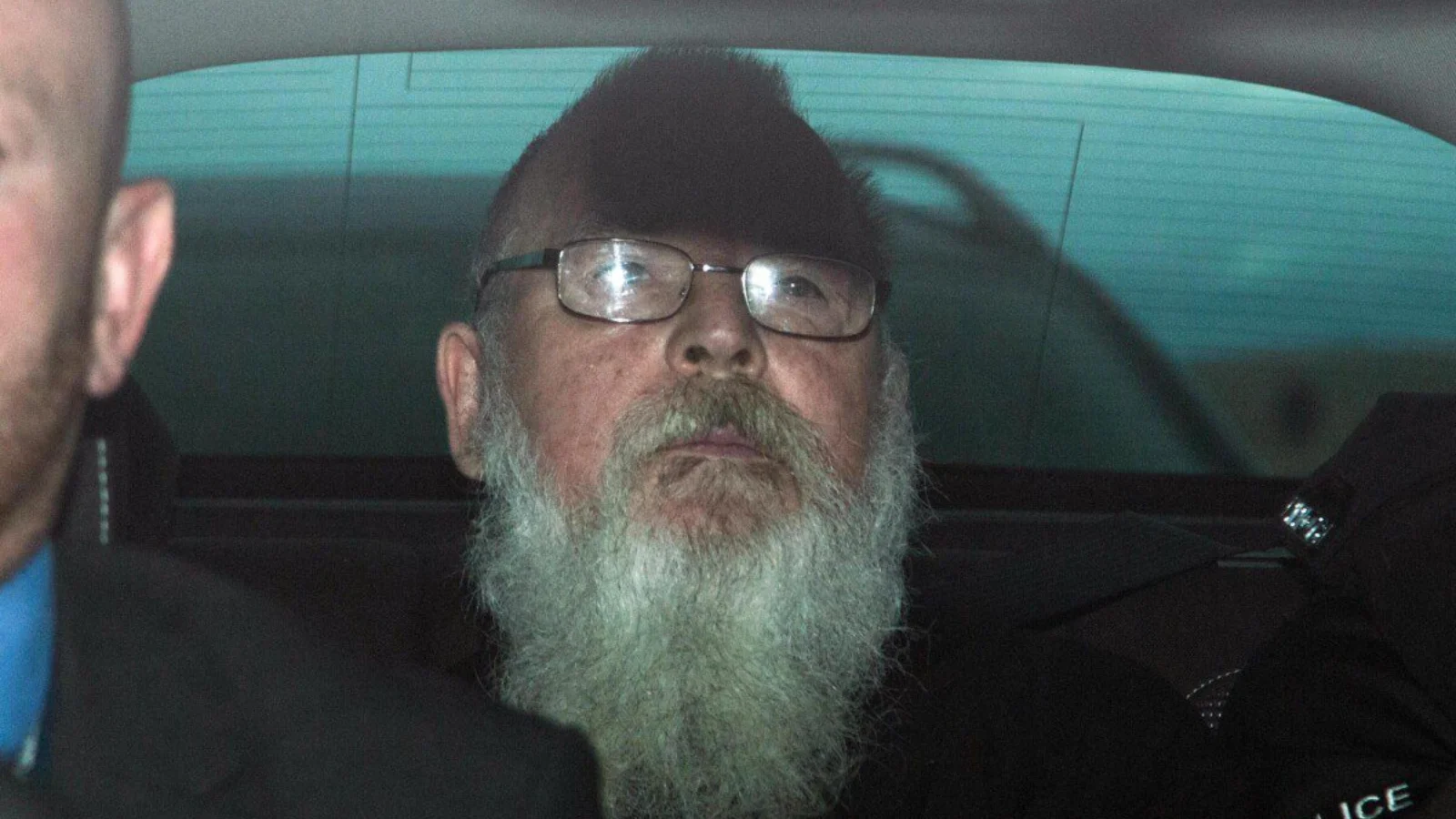
The 1977 murders of two teenagers after a night out at Edinburgh's World's End pub were among Scotland's most notorious unsolved killings. On September 10, 2007, the trial of the man accused of them collapsed.
After eight days of evidence at the High Court in Edinburgh, Lord Clarke ruled that the prosecution had failed to prove its case against Angus Sinclair and dismissed the jury. He said the evidence that Sinclair played any role in the deaths was "neutral" at best. Christine Eadie and Helen Scott, both 17, had left the pub on the Royal Mile with two men on October 15, 1977, and their bodies were found the next day, six miles apart, in East Lothian. Police said DNA from semen stains on Scott's coat linked Sinclair and his late brother-in-law, Gordon Hamilton, who died in 1996, to the killings.
At trial, Sinclair admitted having sex with the two women but said it was consensual, and blamed his brother-in-law for the murders. His advocate, Edgar Prais QC, argued that the Crown had produced no evidence that either woman had been abducted, raped or robbed as charged, and the judge agreed. "Thirty years of trying to get a conclusion ... I promised I would stick by this and get justice, which, honestly, I don't think I got today," said Helen Scott's father, Morain Scott. MSPs from all parties criticized the Crown Office's handling of the case. Sinclair had been convicted in 2001 of the murder of Mary Gallacher, 17, in Glasgow.
Scotland later changed its double jeopardy law to allow retrials in some cases where new evidence emerged. Sinclair became the first person in Scotland retried for the same crime after an acquittal, and in November 2014 he was convicted of both murders and jailed for a minimum of 37 years.
Sources
- Double Jeopardy (Scotland) Act 2011, legislation.gov.uk (The National Archives)
- Trial of World's End murders suspect collapses, The Guardian
- World's End murders: Angus Sinclair jailed for 37 years, BBC News