Iran Publicly Flogs and Hangs Mohammed Bijeh, Convicted of Killing Children Near Tehran
Thousands watched in Pakdasht, the town where the boys were taken. Relatives of the victims, many from Afghan refugee families, were in the crowd.
Published
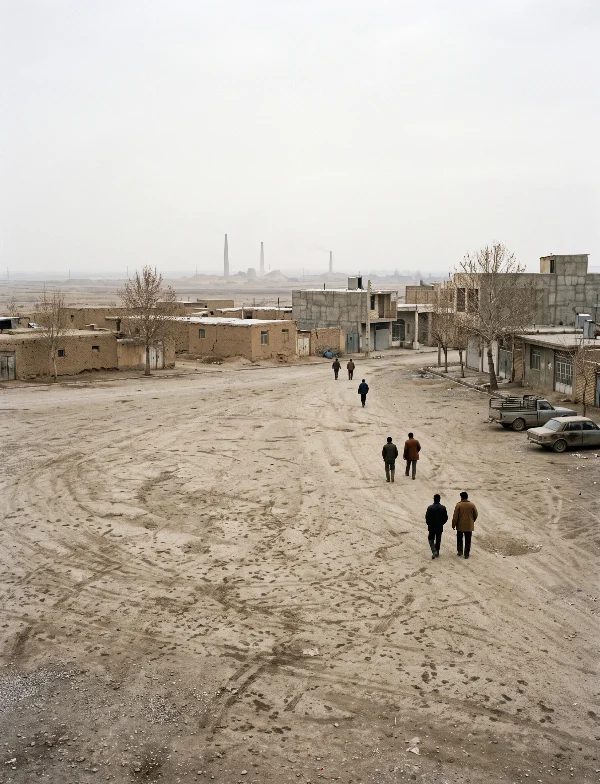
Six months after his arrest over the killings of boys near Tehran, Mohammed Bijeh was put to death in the town where they happened. On March 16, 2005, he was flogged and hanged before thousands of people.
In Pakdasht, a small, poor town about 20 miles southeast of Tehran, Bijeh received 100 lashes and was then hanged. The Associated Press put the crowd at about 5,000. During the flogging, a relative of one of the victims broke through police security and wounded Bijeh in the back with a knife. The sentence was carried out after Iran's Supreme Court upheld it. Bijeh's trial had been held behind closed doors, which the authorities said spared the victims' families further pain.
According to the AP, Bijeh, 23, was convicted of raping and murdering 16 boys aged 8 to 15 between March and September 2004, after confessing in court, and received one death sentence for each murder. Among the victims named by their parents were Kavon Khosravi, 12, abducted outside his family's home with two friends, and Nematolah, 12, who was working in an oven-making factory when he disappeared. Several victims came from poor Afghan refugee families who had been afraid to report their children missing. His accomplice was acquitted of the murders but convicted of taking part in some of the kidnappings and sentenced to 15 years in prison. The case caused national outrage; 16 police officers were reprimanded for dereliction of duty, and the Interior Ministry criticized the police for failing to catch the killers after the first crime.
The Associated Press reported that Bijeh, 23, was convicted of murdering 16 boys, while the Guardian said he was 24 and convicted of killing 17 children and three adults. The AP named his accomplice as Ali Gholampour, while the Guardian named him as Ali Baghi.
Sources
- Serial rapist and killer lashed, hanged in Iran, NBC News (The Associated Press)
- Serial killer's hanging cheers crowd in Iran, The Guardian (Robert Tait, in Pakdasht)
Related News
- September 11, 2004: Iranian Police Arrest Two Brick-Kiln Workers Over the Disappearances of Boys Near Tehran