Iranian Police Arrest Two Brick-Kiln Workers Over the Disappearances of Boys Near Tehran
For a year, boys had been vanishing around Pakdasht. The case investigator said the two men confessed to killing 22 of them, and many families had been afraid to report them missing.
Published
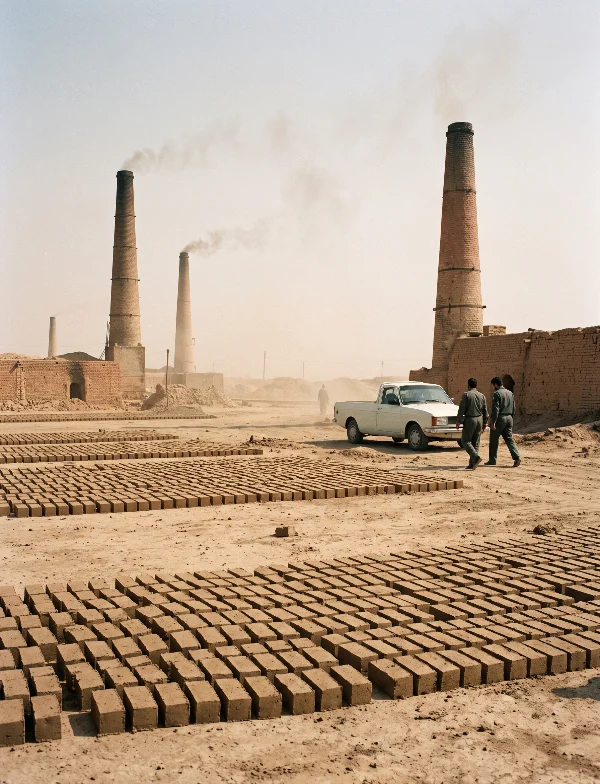
For a year, boys had been disappearing from the area around Pakdasht, southeast of Tehran. On September 11, 2004, it was reported that police had arrested two brick-kiln workers who confessed to raping and killing 22 of them.
The two men were detained in Khatunabad, in Pakdasht. According to the case investigator, as reported by the Iranian newspaper Iran, both were 25. One, named Mohammad, from Quchan in Khorasan province, confessed to killing 13 boys, two kiln workers and a woman; the other, named Ali, from Torbat-e Heydarieh, admitted killing 13 boys. The investigator said one of the suspects had recently been detained in another case and released on bail. Two boys survived attacks, one of them still in a coma.
Children had been going missing in the area throughout the past year, but the search for the killers began only after three boys left home to play and never came back, and their families went to the Pakdasht police station. The daily Jam-e Jam, citing informed officials, reported that most of the victims came from families of undocumented migrants who had not reported their children missing for fear of deportation.
The man named Mohammad was Mohammed Bijeh. He was convicted of raping and murdering 16 boys, aged 8 to 15, between March and September 2004, and was flogged and hanged in Pakdasht on March 16, 2005. His accomplice, Ali Gholampour, was acquitted of involvement in the murders but convicted of taking part in some of the kidnappings, and was sentenced to 15 years in prison and 100 lashes. Sixteen police officers were reprimanded for dereliction of duty.
The investigator said in 2004 that both suspects were 25, while the Associated Press gave Bijeh's age as 23 at his execution in 2005.
Sources
- بازداشت قاتلان 22 کودک در اطراف تهران, BBC Persian
- Serial rapist and killer lashed, hanged in Iran, NBC News (The Associated Press)
Related News
- March 16, 2005: Iran Publicly Flogs and Hangs Mohammed Bijeh, Convicted of Killing Children Near Tehran