Kansas City Trash-Company Supervisor Lorenzo Gilyard Charged in the Strangling of 12 Women and Girls
Police had not connected any of the killings, from 1977 to 1993, until 1994. A blood sample taken from Gilyard in 1987 led to the charges once DNA testing could match it.
Published
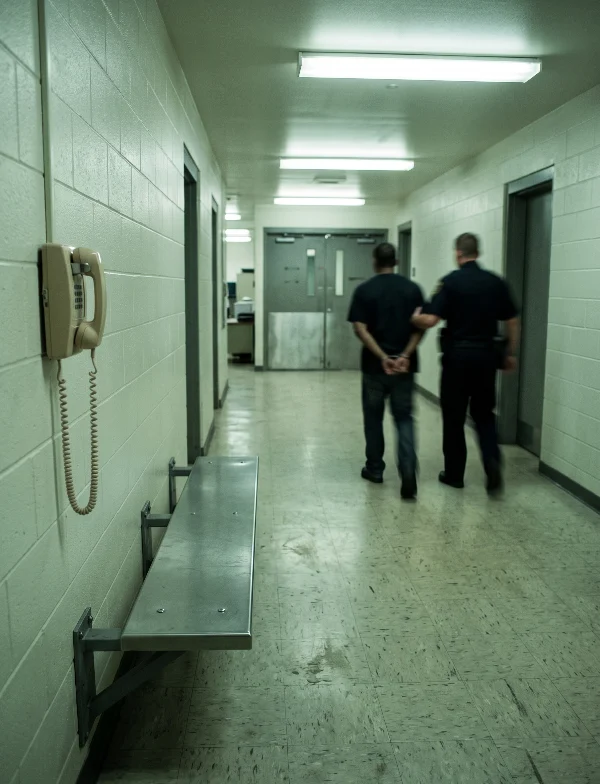
For years the families of 12 women and girls strangled in Kansas City had all but given up hope of an arrest. On April 17, 2004, prosecutors charged a trash-company supervisor with every one of the killings.
Lorenzo J. Gilyard, 53, was arrested on Friday, April 16, and charged the next day with 10 counts of first-degree murder and two counts of capital murder, the law in effect at the time of two of the killings. He was held without bail. The victims, aged 15 to 36, were killed from 1977 to 1993, and authorities said all but one were sexually assaulted. According to court records, 11 of them were sex workers, and the 12th was a mentally ill woman who walked the streets and accepted rides from strangers. Police said that if Gilyard was convicted of all the murders, he would be the worst serial killer in the city's history.
Police had not connected any of the cases until 1994, when two of the killings were linked, and they connected the rest in the 10 months before the arrest. According to a probable cause statement filed in Jackson County Circuit Court, DNA comparisons led investigators to link Gilyard to the killings on April 12. Police said the match came from a blood sample taken from him in 1987, when he was a suspect in one of the deaths; the technology to compare it with DNA from the victims did not exist until 2000, and a federal grant in 2003 paid for the testing of the old cases. "It's a blessing," said the sister of Naomi Kelly, whose body was found in 1986. "Thank God for DNA."
Gilyard had worked for Deffenbaugh Disposal Service since 1986 and supervised several trash crews. He had been in and out of jail and prison in the late 1970s and the 1980s on charges ranging from molestation and sexual abuse to burglary and assault. "We aren't going to stop because we have 12 charges," Police Chief Rick Easley said. In March 2007 a judge found Gilyard guilty of six murders committed in 1986 and 1987 and acquitted him of a seventh, after six other counts were dropped, and in April 2007 he was sentenced to life in prison without parole. He maintained his innocence.
One Associated Press report said police would not explain why the 1987 blood sample was taken, while another said Gilyard was a suspect in one of the deaths at the time.
Sources
- Missouri man charged in serial killings, NBC News (The Associated Press)
- Suspect charged in 12 K.C. deaths, Lawrence Journal-World (The Associated Press)
- Kansas City man guilty of killing 6 women, NBC News (Associated Press)
- Murderer gets life in prison for deaths of six K.C. women, Lawrence Journal-World (Associated Press)
Related News
- March 16, 2007: Judge Convicts Lorenzo Gilyard of Murdering Six Women in Kansas City in 1986 and 1987