Snowtown Jury Convicts John Bunting of 11 Murders and Robert Wagner of Seven
The verdicts ended an 11-month trial, the longest in Adelaide's history, over the "bodies in the barrels" found in a disused bank vault in 1999.
Published
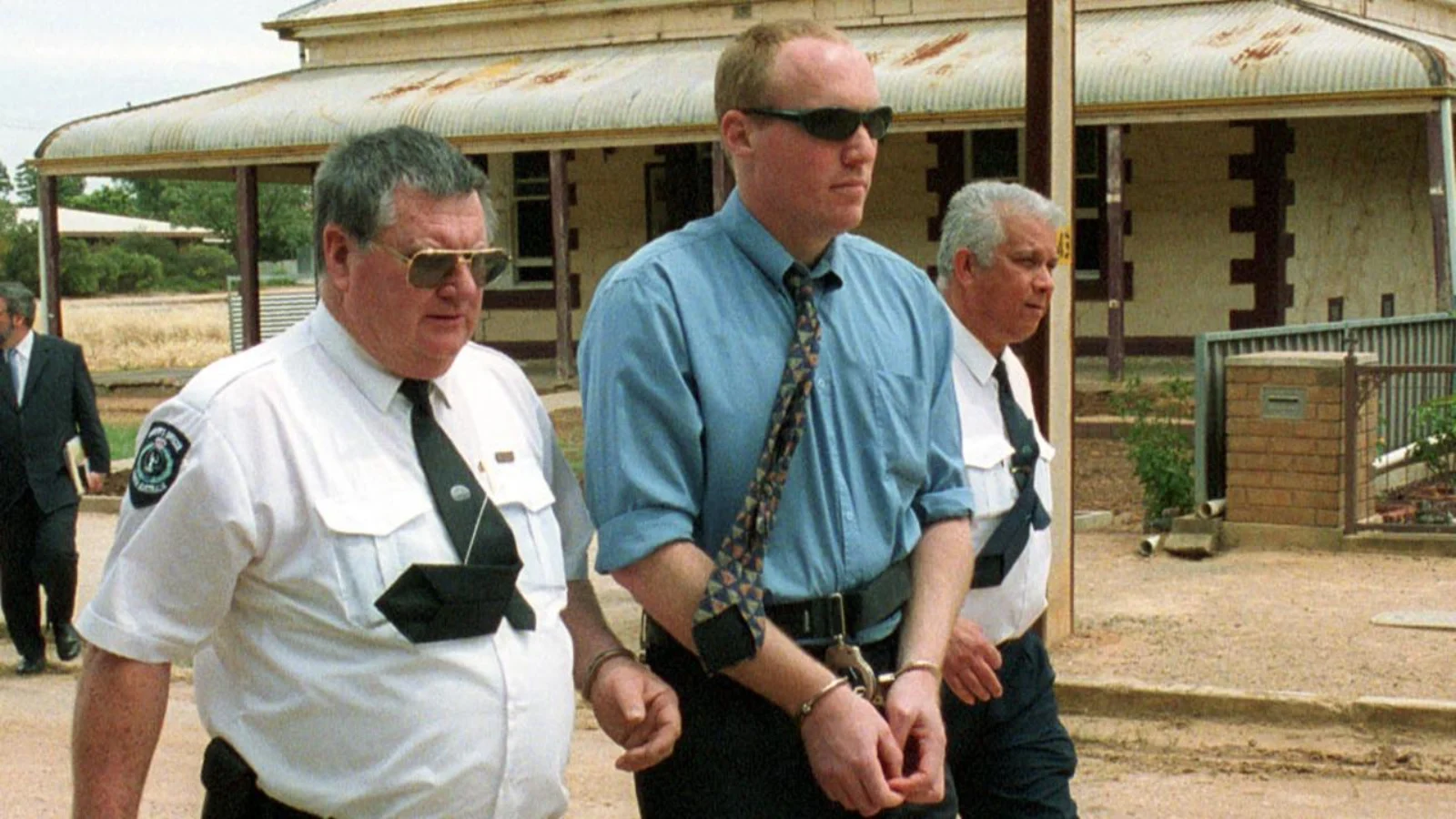
Eight bodies were found in barrels in a disused bank vault at Snowtown in May 1999. On September 8, 2003, an Adelaide jury convicted the two men at the center of the killings.
After 11 months of evidence, the longest and most complex criminal trial in Adelaide's history, a South Australian Supreme Court jury deliberated for seven days. It found John Bunting, 37, a former abattoir worker, guilty of 11 murders, and Robert Wagner guilty of seven. Wagner had already confessed to three others. The Sydney Morning Herald called Bunting Australia's worst serial killer.
The victims were people from Adelaide's struggling northern suburbs, each known to at least one of the accused, and some lived with them when they disappeared. Bunting's first victim was a young man, Clinton Trezise. Another, Barry Lane, had helped bury a body before the killers turned on him, and Gavin Porter was the seventh to die. Besides the eight bodies found in six barrels in the old State Bank building, four more victims, two of them buried in Bunting's former backyard, were linked to the same killers. The evidence showed the killings were driven more by power and pleasure than by money, the Herald reported, although $95,000 was stolen from eight of the victims.
A third member of the group, James Vlassakis, Bunting's stepson, had been convicted of four of the murders and was the key prosecution witness against Bunting and Wagner. A fourth man was still to be tried. Bunting and Wagner were later sentenced to life in prison without the possibility of parole.
The Sydney Morning Herald described Vlassakis in 2003 as serving 26 years, while later reports said he had been sentenced to life with a 26-year non-parole period.
Sources
- Chamber of horrors, The Sydney Morning Herald
- Snowtown murderer James Vlassakis granted parole after 26 years in jail, ABC News
- Snowtown killer denied non-parole period, The Canberra Times (AAP)
Related News
- December 15, 2025: South Australian Review Blocks Parole for Snowtown Killer James Vlassakis
- September 23, 2026: Snowtown Killer James Vlassakis Leaves Prison on Parole for a Pre-release Centre