Richard Glossip Pleads Guilty to Accessory Charge in 1997 Oklahoma City Motel Killing; Murder Charge Dropped
The former death row prisoner, who still maintains his innocence of the murder of Barry Van Treese, entered the plea on November 12. Sentencing is set for December 17.
Published
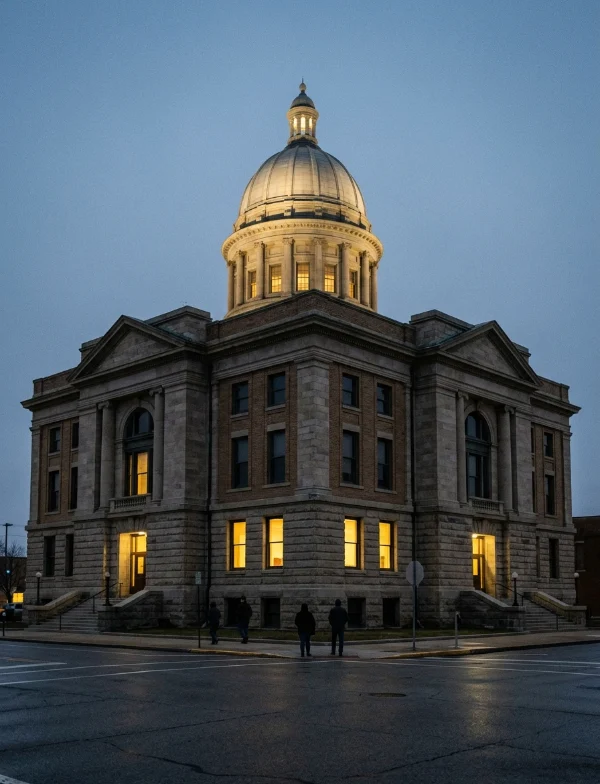
Richard Glossip, the former Oklahoma death row prisoner whose case reached the U.S. Supreme Court, pleaded guilty on Thursday, November 12, 2026, to a lesser charge in the 1997 killing of Barry Van Treese in Oklahoma City. The Oklahoma Attorney General's office named the offense as accessory to first-degree murder. His attorney, Don Knight, described it as a plea to being an accessory after the fact. With the plea, the murder charge against Glossip was dismissed, Knight said.
Glossip still maintains that he is innocent of the murder. "For 30 years Richard Glossip has maintained his innocence," Knight said in a statement published by the Death Penalty Information Center. "He had nothing to do with the murder, none of the planning, or carrying it out," Knight told the Associated Press. Knight said Glossip acknowledged the prosecution's allegation that he helped place plexiglass over a broken window at the motel, and that Glossip did not know Van Treese's body was inside the room and never saw it. Prosecutors also said Glossip did not immediately tell police that Justin Sneed had told him he killed Van Treese; Knight said Glossip did not believe it at the time.
Van Treese, the motel's owner, was Glossip's boss. He was beaten to death with a baseball bat. Sneed, a coworker of Glossip's, admitted robbing and killing him, but testified that he did so after Glossip promised to pay him $10,000. Prosecutors alleged a murder-for-hire scheme, in which Glossip was accused of arranging the killing, not of carrying it out. Sneed was the state's key witness and is serving life in prison without the possibility of parole.
Glossip was first sentenced to death in 1998; that conviction was overturned in 2001, and a jury sentenced him to death again in 2004. On February 25, 2025, in Glossip v. Oklahoma, the U.S. Supreme Court threw out the 2004 conviction by a 5-3 vote. Writing for the majority, Justice Sonia Sotomayor found that prosecutors had violated their constitutional obligation to correct false testimony from a key witness, and the Court ordered a new trial. Glossip was released in May 2026 after Judge Natalie Mai set his bail at $500,000. His retrial had been set to begin on December 7.
Sentencing is set for December 17, and the two sides expect very different outcomes. "Today, Richard Glossip finally took some measure of responsibility for the murder of Barry Van Treese," Attorney General Gentner Drummond said. He called the plea to a lesser charge a difficult decision for himself and for the Van Treese family, but said it "ensures a conviction related to Mr. Van Treese's murder" and gives the state its best chance to secure more prison time. His office said it hopes Judge Mai will impose the maximum 45-year sentence. Knight said Glossip could be released at sentencing or sent back to prison for up to another 15 years.
Sources
- Drummond comments after Richard Glossip pleads guilty, Oklahoma Office of the Attorney General
- Ex-Oklahoma death row inmate Richard Glossip pleads guilty to lesser charge in 1997 killing, The Associated Press (via KY3)
- Richard Glossip Enters Plea Agreement as Accessory After the Fact to First Degree Murder While Still Maintaining His Innocence, Death Penalty Information Center