Atlanta Will Re-Test Evidence in the 1979-81 Child Murders, Mayor Keisha Lance Bottoms Announces
The cases were closed after Wayne Williams was convicted of two adult murders in 1982. He was never tried for the children's deaths and maintains his innocence.
Published , updated
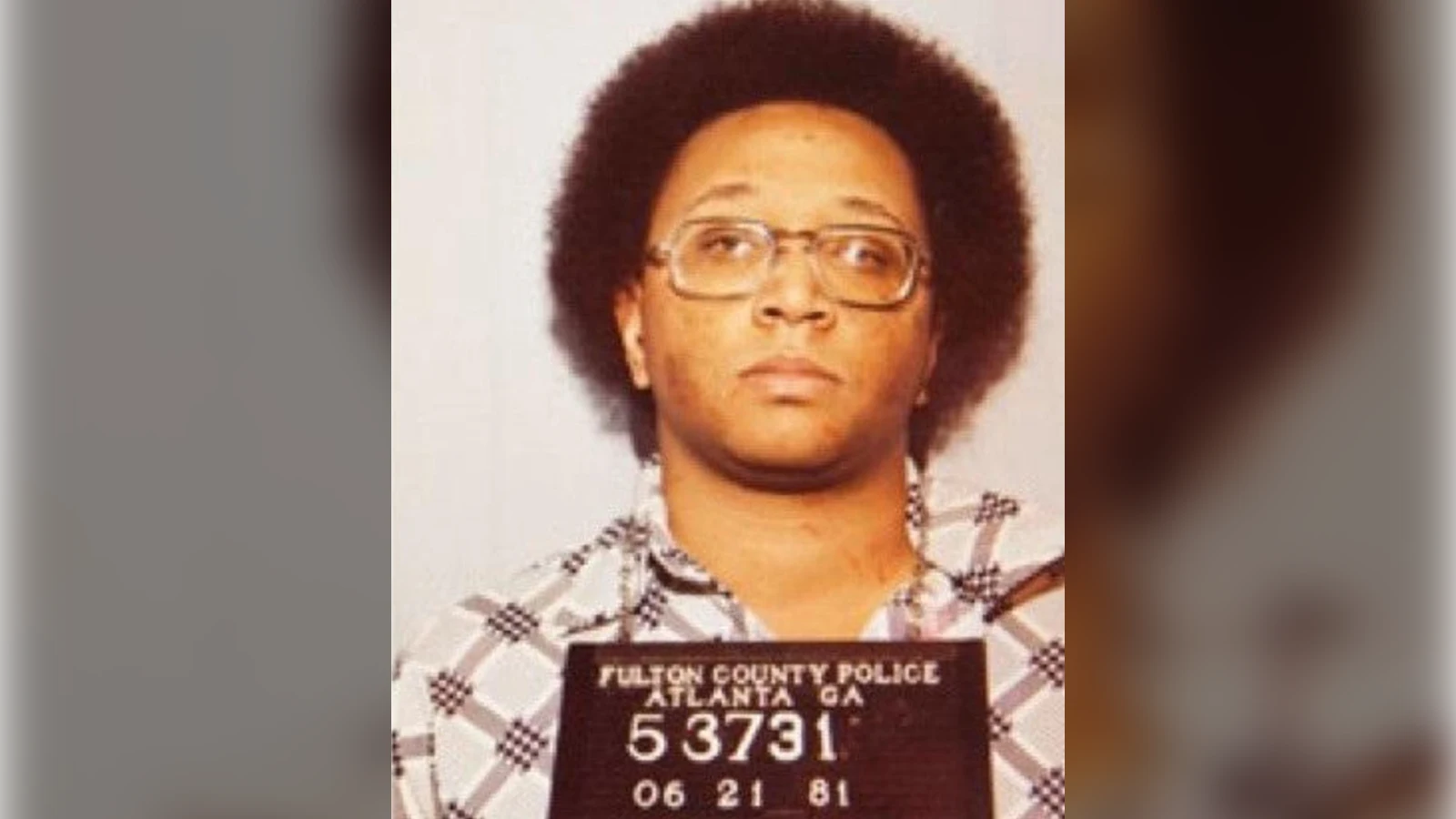
Catherine Leach-Bell's son, Curtis Walker, was 13 when he became one of the victims of the Atlanta child murders, and his case had never been solved. On Thursday, March 21, 2019, she stood at a news conference as Mayor Keisha Lance Bottoms announced that the city, the Fulton County District Attorney's Office and the Georgia Bureau of Investigation would re-test the evidence in the Atlanta child murders. "I am so happy to hear what I heard today," Leach-Bell said. "It's brought a little comfort in my heart. I have been let down for many, many, many, many, many, many, many years."
The killings left more than 20 Black children and young adults dead between 1979 and 1981, and the children were nearly all boys. Wayne Williams, then 60, was serving life for the murders of two young adults in Fulton County, where the vast majority of the deaths occurred. After his 1982 conviction, authorities there said they were convinced he was responsible for the whole string of crimes and closed the children's cases. He was never charged in any of the children's deaths, and he has maintained his innocence. Over the years, doubts lingered among victims' relatives and some investigators.
Bottoms had asked for the new look months after meeting Leach-Bell. The mayor said the evidence does link Williams to many of the murdered children, but she wanted to be sure nothing new could be learned with modern technology. Investigators would test stored evidence such as DNA and cloth or carpet fibers. Paul Howard, the Fulton County district attorney, said it would be the first project of his office's soon-to-be formed Conviction Integrity Unit. "It may be there is nothing left to be tested," Bottoms said. "But I do think history will judge us by our actions and we will be able to say we tried."
She had lived through those years as a 9-year-old. The review, she said, was meant to assure the families that "we have done all that we can do to make sure their memories are not forgotten and, in the truest sense of the word, to let the world know that black lives do matter." She read the victims' names aloud and said she had formed a task force to find ways to honor them. Police Chief Erika Shields said she hoped the effort would make that dark period more than a "footnote" in the city's story, and that officials had an "obligation" to try everything possible to bring closure.
Not every case belonged to Atlanta. Five from the same period remained open in DeKalb County, Curtis Walker's among them, and DeKalb police said they would cooperate. Officials had disagreed over the years over whether those deaths should be attributed to Williams. Three of the DeKalb cases were among the 10 so-called pattern cases that Fulton prosecutors presented at his trial to argue that he was the lone killer; Walker's was not one of them. DeKalb had tried once before. In 2005, Police Chief Louis Graham reopened its cases and argued that Williams had not committed the murders, but the effort stalled a year later when Graham resigned over an unrelated controversy.
Ronald Kuby, one of Williams' former attorneys, called the new investigation an "overdue" step that could answer lingering questions. Williams, held at Telfair State Prison in southeast Georgia, could not be reached for comment. Danny Agan, a retired Atlanta homicide detective who stood behind the mayor during the announcement, said he believes Williams committed most of the murders, though not necessarily all of them, and that he did not see the testing as a criticism of the original police work. "The truth won't hurt you," he said.
What was established in March 2019. Williams was convicted of two murders, both of young adults, and was never tried for any of the children's deaths; the belief that he killed the children is the position authorities took when they closed those cases, not a verdict. The announcement opened a review of stored evidence, not new charges against anyone.
Sources
- Authorities plan to re-test Atlanta Child Murders evidence, The Atlanta Journal-Constitution
In the Archive
- Wayne Williams
- WAYNE WILLIAMS IN THE COURTS: GEORGIA, 1983
- BUNDY WRITES TO THE GREEN RIVER TASK FORCE
- MICHAEL OWEN PERRY IN THE COURTS: LOUISIANA, 1986-1992
- 1992 JOHN WAYNE GACY INTERVIEW WITH WALTER JACOBSON
- WAYNE WILLIAMS: THE ATLANTA CHILD MURDERS
- THE BLACK DAHLIA LITTLE SUZANNE DEGNAN AND THE MISSING WEST POINT CADET
- CONSPIRACY. COLLUSION. COINCIDENCE.
- SERIAL KILLER COMMUNICATION
- TEN DNA REOPENINGS THAT ANSWERED A DIFFERENT QUESTION
- THE KILLER ABC'S: KILLER A'S PART TWO
- EVERY STATES MOST NOTORIOUS SERIAL KILLERS