Japan Hangs Yasutoshi Kamata, the 'Osaka Ripper,' for Five Murders
Kamata, 75, condemned for killing four women and a nine-year-old girl in Osaka, was hanged after telling a rights group he had become senile.
Published
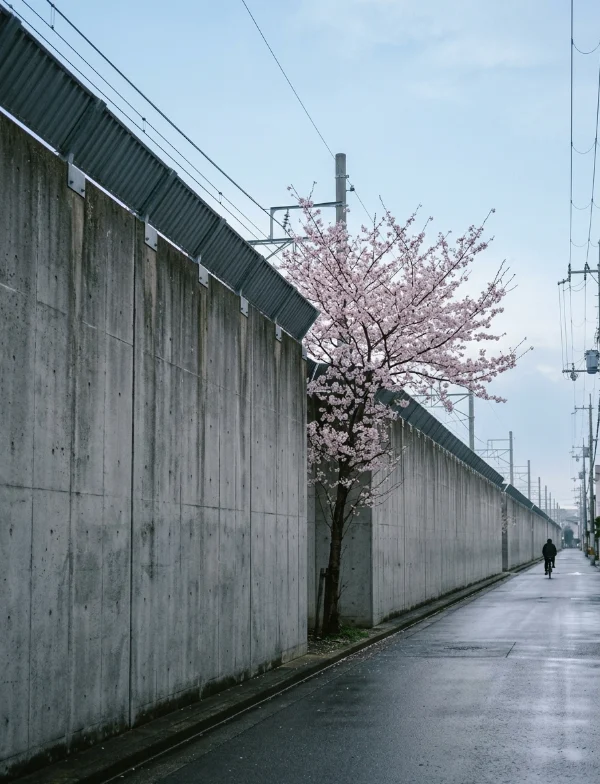
Japan hanged Yasutoshi Kamata at the Osaka Detention House on Friday morning, March 25, 2016. He was 75, and the Justice Ministry announced the hanging that day.
Kamata had been convicted of murdering five people in and around Osaka between 1985 and 1994. One of them was a nine-year-old girl, taken in 1987 as she walked home from elementary school and strangled in his home. The others were women, the youngest nineteen. The Osaka District Court sentenced him to death in 1999, and the sentence became final in 2005, when the Supreme Court rejected his last appeal. He had spent roughly two decades in custody.
He was not the only prisoner hanged that morning. At the Fukuoka Detention House the state executed Junko Yoshida, 56, a former nurse who had conspired with three other former nurses in Kurume to murder the husbands of two of them for the insurance money. The ministry said she was the fifth woman executed in Japan since 1950. The two hangings were the first of 2016, the second set ordered by Justice Minister Mitsuhide Iwaki and the third and fourth since he took office in October 2015. The ministry put the number of prisoners left under a final death sentence at 124.
Kamata's age drew the sharpest criticism. The International Federation for Human Rights and its Japanese member group, the Center for Prisoners' Rights, pointed out that in answer to a questionnaire from a human rights group in 2015, Kamata had written that he had "become senile and did not understand anything complicated." They cited a 2008 recommendation from the United Nations Human Rights Committee that Japan take a more humane approach to executing prisoners of advanced age or with mental disabilities.
What this story covers. The execution, the place, Kamata's age, the summary of his crimes, the 1999 death sentence and the Yoshida case come from the Asahi Shimbun's English-language report of March 25, 2016, as republished by Hands Off Cain the same day, which relayed the Justice Ministry's statement. The 2005 finality of the sentence, the questionnaire answer and the UN recommendation come from the press release of the International Federation for Human Rights (FIDH) and the Center for Prisoners' Rights the following week. The Asahi report gives the women's ages as 19 to 45; Japanese press reporting gathered on Kamata's Case File page puts the age of the first woman he killed, in 1985, at 46. His victims are not named here, in keeping with the Japanese reporting.
Sources
- Japan executes two murderers responsible for seven deaths, Hands Off Cain (republishing Asahi Shimbun / AJW)
- Japan executes an elderly man and a woman, despite international calls for abolition, FIDH and the Center for Prisoners' Rights