John Cooper Is Convicted of Two Pembrokeshire Double Murders From 1985 and 1989 and Given a Whole-Life Term
A cold-case review found Peter Dixon's blood on a shotgun and on shorts linked to Cooper. He was also convicted of raping a 16-year-old girl in 1996.
Published
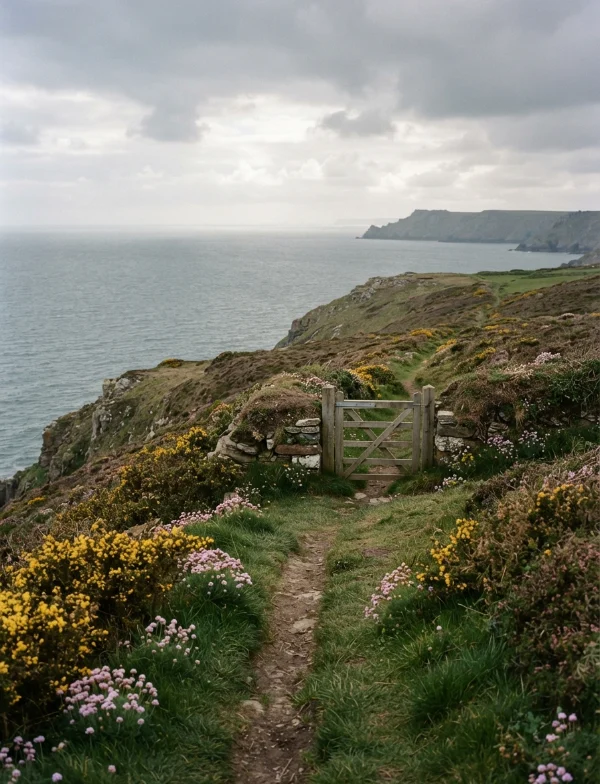
Two double murders in Pembrokeshire, in 1985 and 1989, went unsolved for more than two decades. On May 26, 2011, a jury in Swansea convicted John Cooper of all four killings.
Cooper, 66, a laborer from Letterston, was convicted at Swansea Crown Court after an eight-week trial of murdering Richard Thomas, 58, and his sister Helen Thomas, 54, at their farmhouse at Scoveston Park near Milford Haven in December 1985, and Peter Dixon, 51, and Gwenda Dixon, 52, a couple from Witney, Oxfordshire, on the coastal path near Little Haven in June 1989. He was also convicted of rape, indecent assault and four counts of attempted robbery; the sexual offenses were committed against two teenage girls in a field near the Mount Estate School in Milford Haven in March 1996. Mr. Justice Griffith Williams sentenced him to life with a whole-life term, telling him, "The murders were of such evil wickedness that the mandatory sentence of life will mean just that." Cooper, who had denied the charges, interrupted the judge to call the case "utter rubbish."
Dyfed-Powys Police began a cold-case review in 2006. Cooper, who had been jailed for 16 years in December 1998 for 30 burglaries and a robbery, was released on license at the end of 2008, and new forensic tests in 2009 linked him to the killings. Peter Dixon's blood was found under the paint on a shotgun recovered close to Cooper's home and on a pair of shorts from his bedroom, evidence the Court of Appeal later called "virtually incontrovertible." The judge said Cooper might well have continued to evade capture but for advances in forensic science. In November 2012 the Court of Appeal refused him leave to appeal.
The Court of Appeal spelled the Thomas home "Scovensten Park," while the BBC spelled it Scoveston Park.
Sources
- Cooper, Re Application for leave to appeal [2012] EWCA Crim 2240, Court of Appeal (Criminal Division) (The National Archives, Find Case Law)
- John Cooper guilty of two Pembrokeshire double murders, BBC News
- Four brutal murders that took two decades to solve, The Guardian