South Korea's Supreme Court Closes the Yoo Young-chul Case, Leaving His Death Sentence for 20 Murders Final
Yoo never appealed his sentence. The case stayed open only because prosecutors challenged his acquittal in one killing, and the court rejected their appeal.
Published
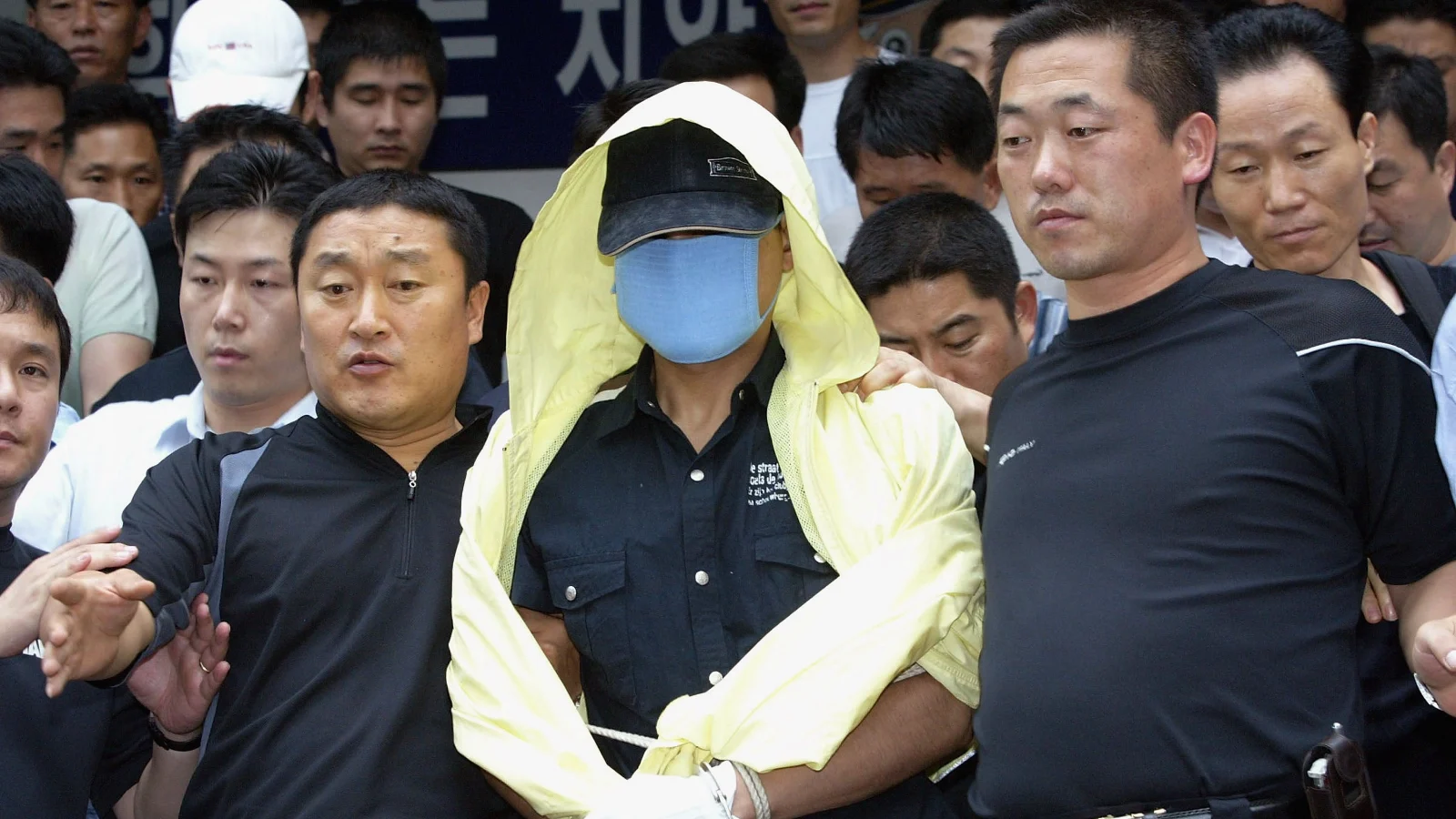
Yoo Young-chul never appealed his death sentence. On June 9, 2005, South Korea's Supreme Court closed his case by rejecting the prosecution's appeal over the one killing of which he had been acquitted.
Yoo had been indicted in August 2004 on charges of killing 21 people, among them elderly people and women, and of mutilating and disposing of their bodies. In December 2004 the trial court convicted him of 20 murders and sentenced him to death. Because he did not appeal within seven days, unlike other death-row inmates, the sentence became final at first instance.
The case continued only because prosecutors appealed his acquittal in the February 2004 killing of a 24-year-old woman who was stabbed in an alley in Imun-dong, in Seoul's Dongdaemun district. Yoo had told police he committed that killing, but at trial he said he had made a false statement after police persuaded him to. The First Division of the Supreme Court, with Justice Kang Shin-wook presiding, found that his confession did not match the victim's wounds and that there were unexplained doubts about how and why he made it, so the crime had not been proven.
The ruling raised the number of prisoners on South Korea's death row from 59 to 60. No executions had been carried out since December 30, 1997, and as of 2023 Yoo was still on death row.
The Korea Herald later dated Yoo's death sentence to June 2005, while Yonhap's report of the Supreme Court ruling said the sentence was imposed in December 2004 and became final when he did not appeal.
Sources
- '살인마' 유영철 사형 최종확정 (Death sentence for 'killer' Yoo Young-chul finally confirmed), Maeil Shinmun
- In 2004, serial murderer with goal to kill 100 was stopped at 20, The Korea Herald
Related News
- July 18, 2004: Seoul Police Say Yoo Young-chul Confessed to at Least 19 Murders as Bodies of 11 Women Are Unearthed