Nepal Court Convicts Charles Sobhraj of the 1975 Murder of American Tourist Connie Jo Bronzich
Sobhraj had served two decades in an Indian prison and gone free, then returned to Nepal, where he was still wanted. The Kathmandu court sentenced him to life.
Published
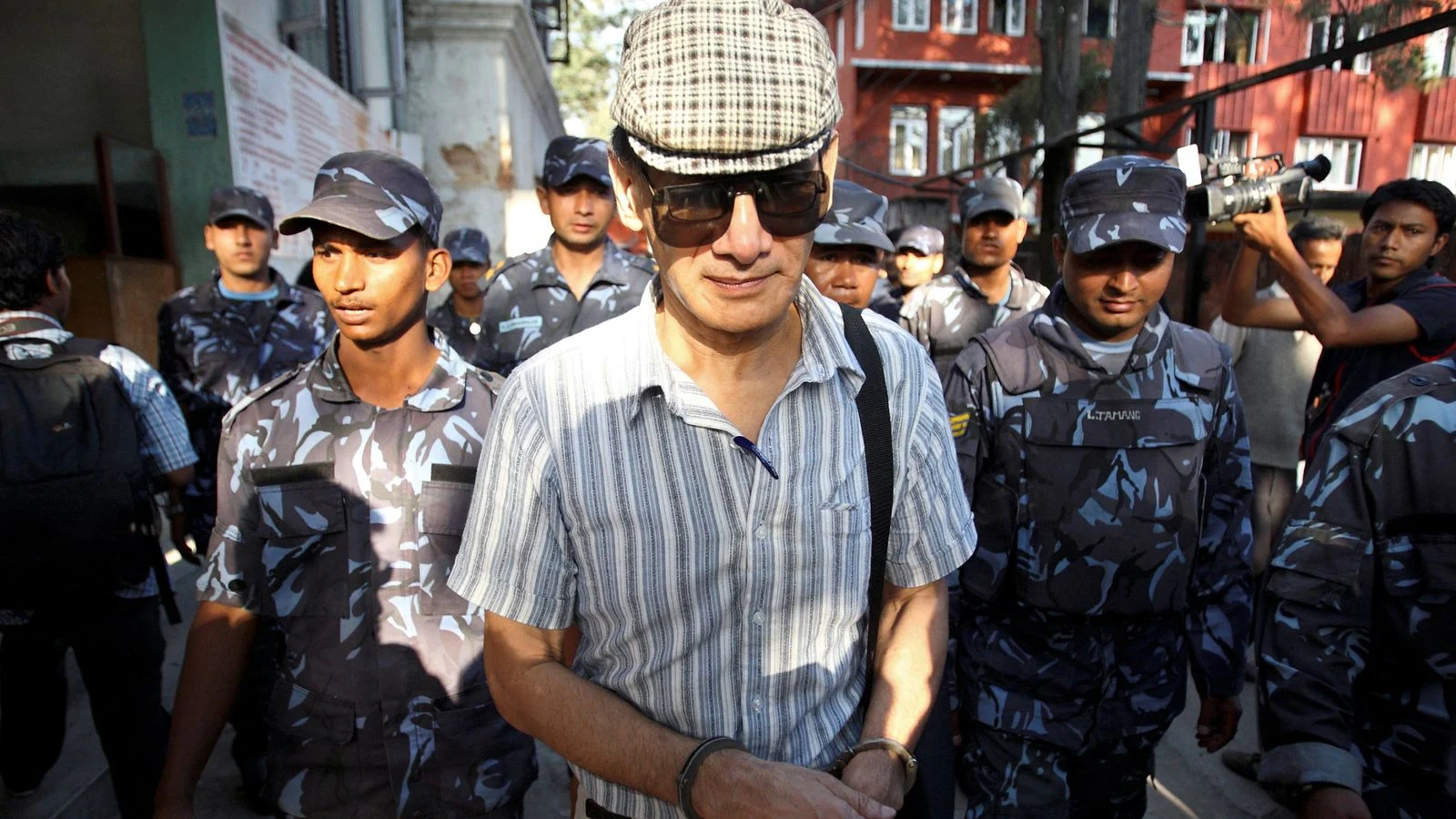
Charles Sobhraj had served two decades in an Indian prison and walked free. On August 12, 2004, a court in Kathmandu convicted him of a murder committed in Nepal almost 29 years earlier.
The Kathmandu District Court found Sobhraj guilty of murdering Connie Jo Bronzich, an American tourist, in December 1975. It sentenced him to life imprisonment with the confiscation of all his property under the homicide chapter of Nepal's legal code. The court relied on circumstantial evidence, including findings that Sobhraj was in Nepal in December 1975 and that he had met Bronzich, who was interested in collecting precious stones, through that shared interest. Sobhraj maintained his innocence.
Sobhraj, a French citizen, was linked to the deaths of about 20 Western backpackers in Thailand, India and Nepal in the 1970s and became known as "the serpent." He had served a prison sentence in India for killing a French tourist and was released in 1997, when he returned to France. He later went back to Nepal, where a warrant for his arrest was still outstanding. A journalist spotted him outside a casino and published his photograph, and police in Kathmandu picked him up soon after.
The Appellate Court in Patan upheld the verdict in 2005, and Nepal's Supreme Court confirmed it in July 2010. In 2014 Sobhraj was also convicted of killing Bronzich's Canadian companion, Laurent Carrière. He was released from prison in December 2022, after a court found he had served 75 percent of his sentence, and was flown to France.
Sources
- Supreme Court of Nepal judgment in the Laurent Armand Carriere murder case (Nepal Kanoon Patrika, full_detail 8842), Supreme Court of Nepal (Nepal Kanoon Patrika)
- 'Serpent' serial killer Charles Sobhraj freed from Nepalese prison, The Guardian
Related News
- July 30, 2010: Nepal's Supreme Court Upholds Charles Sobhraj's Life Sentence for the 1975 Murder of American Connie Jo Bronzich