Gerald Gallego, Condemned in California and Nevada for Murders of Young People, Dies of Cancer
On Nevada's death row since 1984 for killing two 17-year-old girls, Gallego died in a prison hospital at 56, still pursuing appeals. He refused a deathbed confession.
Published
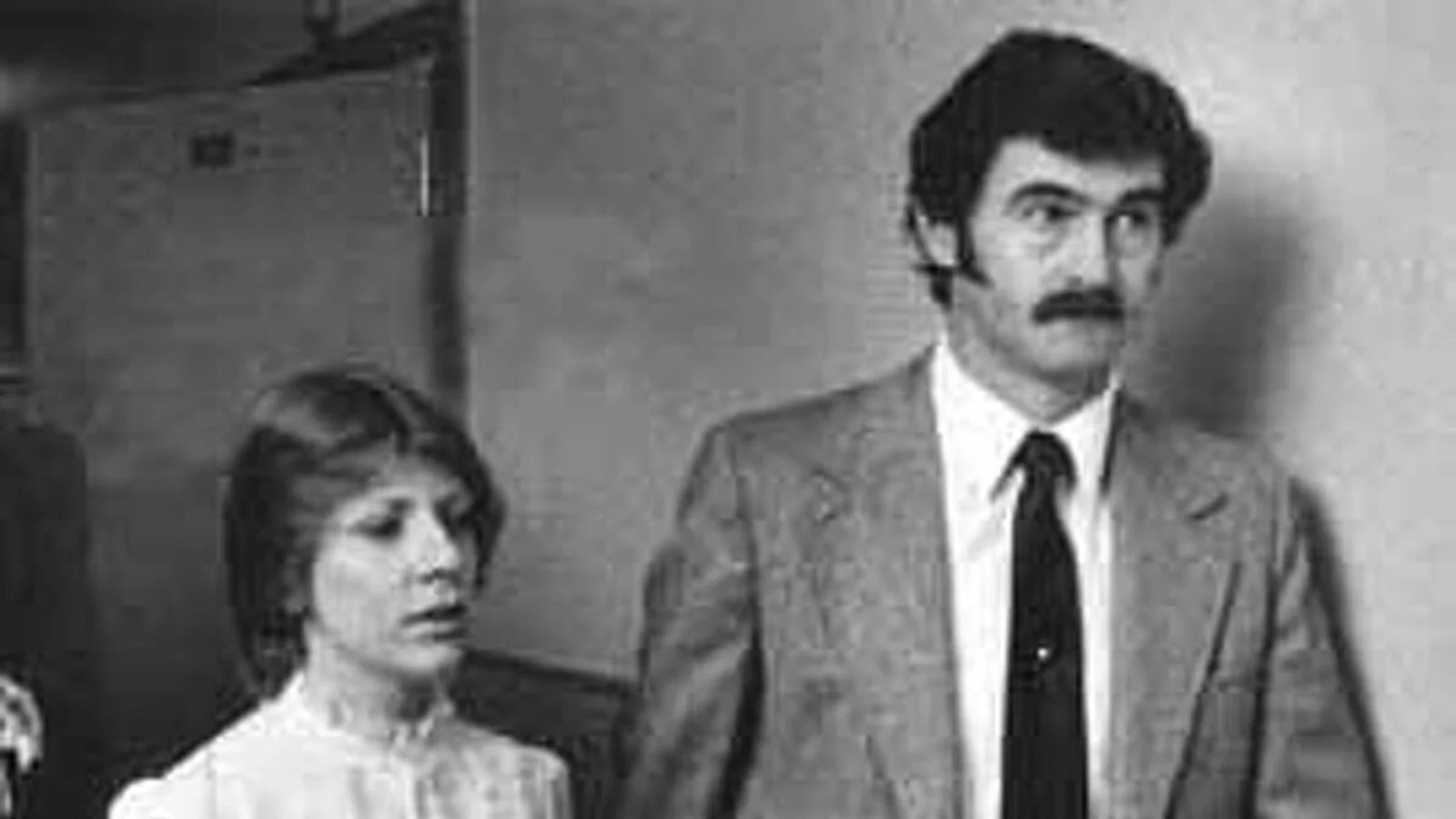
Two states sentenced Gerald Gallego to death, and neither carried it out. On the night of July 18, 2002, he died of cancer in a Nevada prison hospital.
Gallego, 56, had been moved in March from death row at Ely to the prison medical facility in Carson City, according to Glen Whorton, an assistant director of the Nevada Department of Corrections. He had held off execution through multiple appeals and was still pursuing them when he died, Whorton said. When the prosecutor in his Nevada trial, Richard Wagner, learned that Gallego was dying, he tried to get a deathbed confession. "He even refused that," Wagner said.
Gallego had been on Nevada's death row since June 1984 for the murders of Karen Chipman Twiggs and Stacey Redican, both 17. The girls disappeared from a Sacramento shopping mall on April 24, 1980, and their bodies were found on July 27 in shallow graves in remote Limerick Canyon, Nevada. The Nevada Supreme Court affirmed his convictions and death sentence in December 1985.
A year before the Nevada trial, a jury in Martinez, California, convicted Gallego of kidnapping and killing Craig Miller, 22, and Mary Beth Sowers, 21, and he was sentenced to death there too. His common-law wife, Charlene Gallego, made a deal with prosecutors and testified against him. Prosecutors described a couple who drew young people in and then killed them, in a string of kidnappings and murders in California, Nevada and Oregon in the late 1970s and 1980.
When rural Pershing County worried that it could not afford the $60,000 Nevada trial, members of the public sent more than $20,000 to help pay for it.
The Nevada Supreme Court placed the mall where Twiggs and Redican disappeared in Sacramento, while the San Francisco Chronicle described it as near Sacramento.
Sources
- 'Sex-slave' killer dies of cancer in Nevada prison hospital, San Francisco Chronicle (Michael Taylor)
- Gallego v. State, 101 Nev. 782, 711 P.2d 856 (No. 15932), Supreme Court of Nevada
In the Archive
- Gerald Gallego
- GERALD GALLEGO IN THE COURTS OF TWO STATES: THE APPEALS, 1985-2001
- WILLIAM BONIN IN THE COURTS: THE FREEWAY KILLER APPEALS, 1988-1996
- LAWRENCE BITTAKER IN THE COURTS: THE 1979 MURDERS OF FIVE GIRLS AND THE DEATH SENTENCE, 1978-2003
- THIS DAY IN SERIAL KILLER HISTORY
- WHERE SERIAL KILLERS LURKED
- FEMALE SERIAL KILLERS
- SERIAL KILLER VEHICLES